Why Is My Crypto Transaction Pending? Fix It
— By Tony Rabbit in Tutorials

Why is your crypto transaction pending? Learn how low fees and congestion stall Bitcoin and EVM transfers, and when speed up or cancel actually helps.
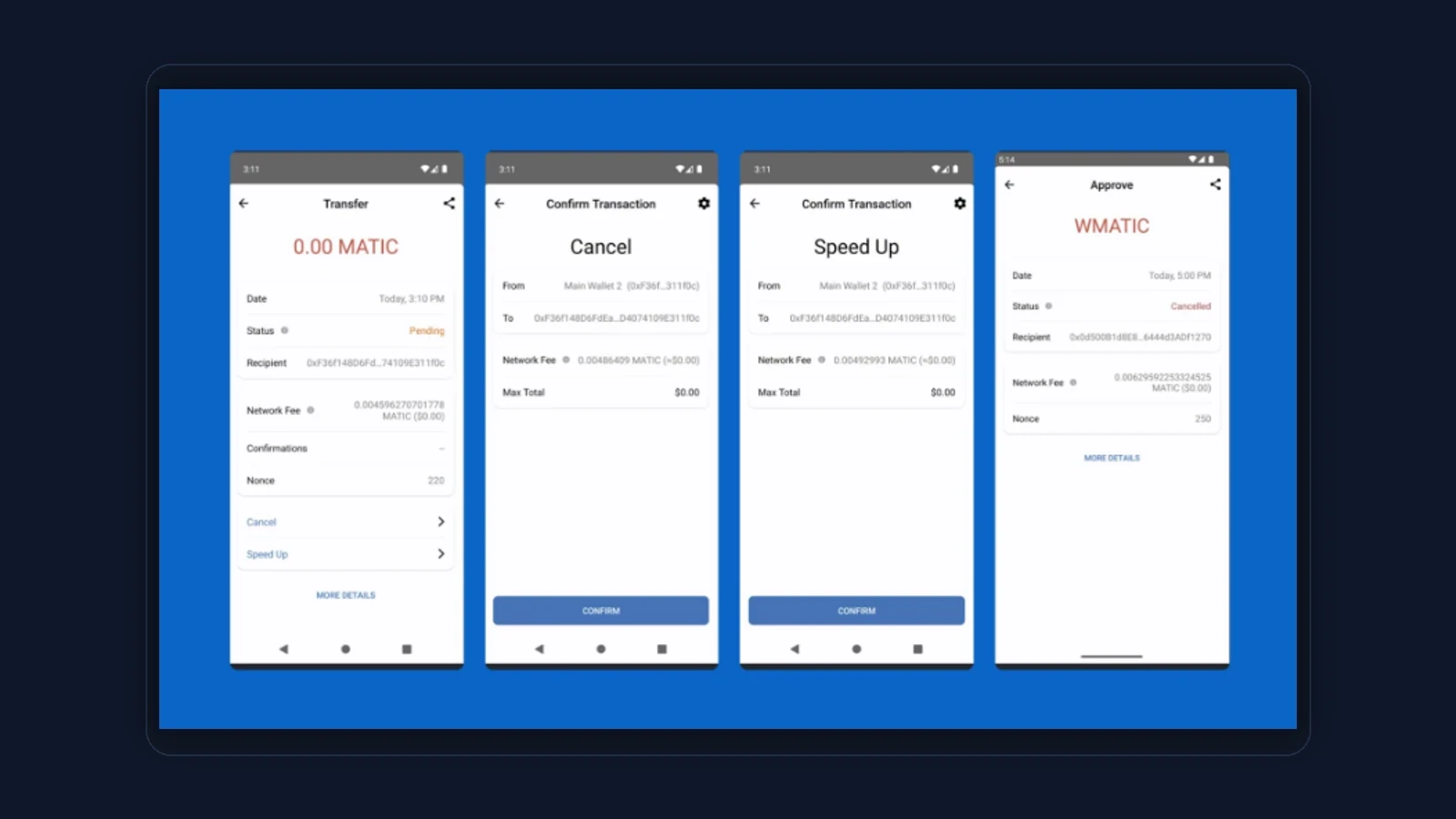
A pending crypto transaction is a transfer that has been submitted but not yet fully confirmed by the blockchain. That sounds simple, but the reason behind the delay matters. On Bitcoin, low fees or congestion can leave you waiting. On Ethereum and other EVM chains, low gas can delay confirmation, and some wallets let you speed up or cancel the transaction by replacing it.
Intent check: This page is the diagnosis guide for pending transactions. If you already know you need to replace or cancel the stuck transaction, read How to Speed Up or Cancel a Pending Transaction in MetaMask. If the root cause is nonce ordering, read Wallet Nonce in Crypto: Why Transactions Get Stuck and How Ordering Works
This is one of the most stressful beginner moments in crypto because the transaction feels stuck in limbo. The good news is that pending does not automatically mean lost. It usually means the network has not finalized the transaction yet. The real job is to understand which chain you are on, what the wallet can still do, and whether the explorer shows progress or a genuine problem.
Quick answer
- A pending transaction is one the network has seen but not fully confirmed yet.
- On Bitcoin, pending often means waiting for miners to confirm a low-fee or congested transaction.
- On Ethereum and other EVM chains, some wallets let you speed up or cancel a pending transaction by replacing it with a new one.
- The first checks are the explorer status, network conditions, and whether your fee was too low for the current market.
What Pending Actually Means
Pending means the transaction has not reached final confirmation yet. The network may have seen it, mempools may have recorded it, and the wallet may already show it in activity, but the chain has not sealed the result into the level of confirmation your wallet or platform expects.
This is why explorers matter immediately. A pending label inside the wallet is useful, but the explorer tells you more. It can show whether the transaction is still waiting, whether it was replaced, whether the fee looks too weak, or whether the transaction failed after execution started.
Why Crypto Transactions Get Stuck
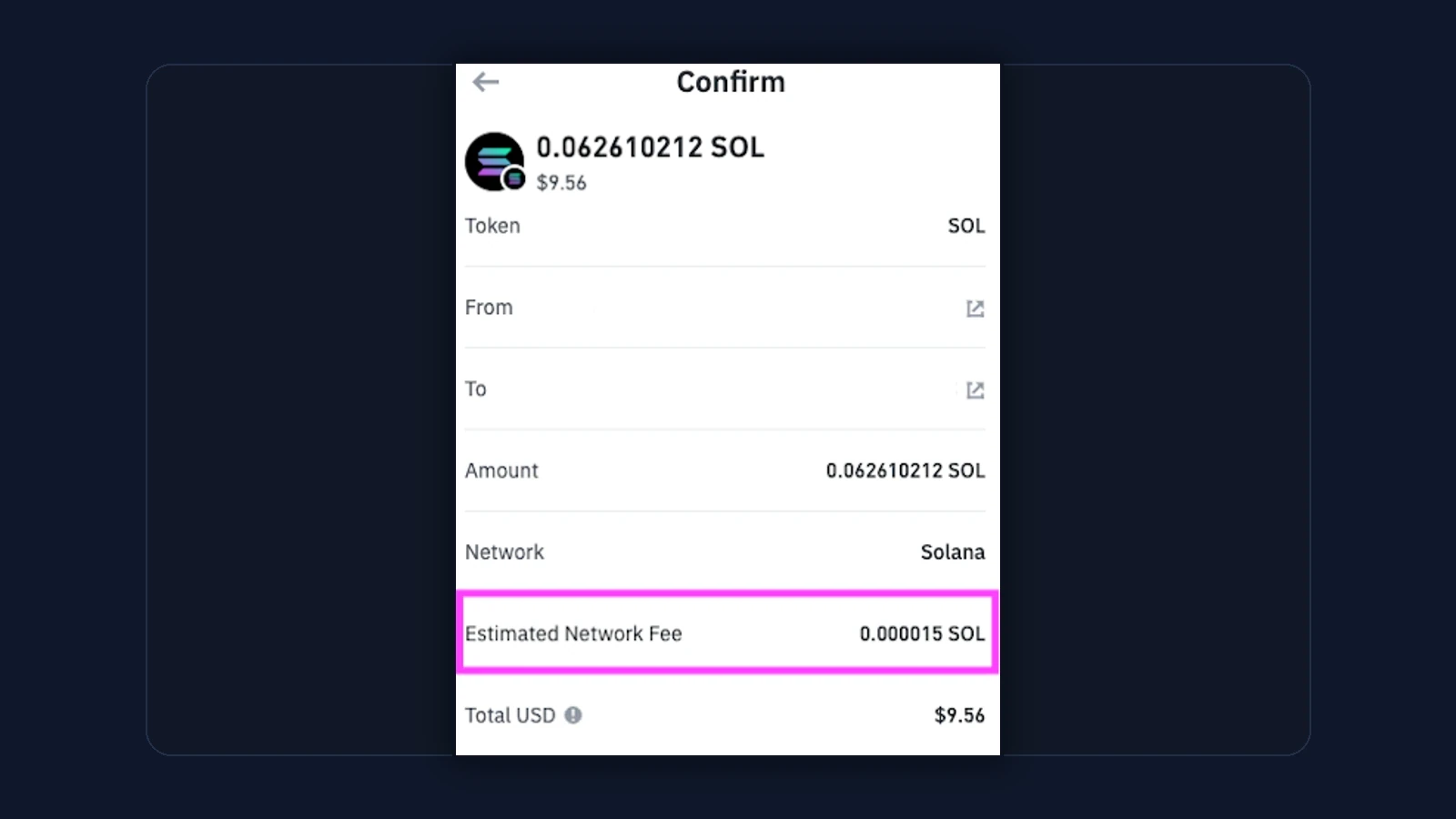
The main causes are usually network congestion, low fees, or wallet-side confusion about what the chain has already processed. Trust Wallet's guidance summarizes this well: Bitcoin transactions usually require waiting once submitted, while Ethereum-based routes offer more flexibility when the fee was too low. In both cases, the network prioritizes transactions that make economic sense to validators or miners at that moment.
The common causes of pending transactions
Bitcoin vs Ethereum-Style Pending Behavior
Bitcoin and EVM chains behave differently enough that beginners should not assume the same fix works everywhere. Trust Wallet's pending transaction guide makes one distinction especially clear: once a Bitcoin transaction is submitted, users generally need to wait for confirmation rather than interfere with it directly. On Ethereum-based networks, some wallets can issue a replacement transaction with a higher gas fee or a cancellation pattern that overrides the earlier attempt.
The high-level difference
When Speed Up or Cancel Can Work
On EVM chains, wallets such as MetaMask or Trust Wallet can sometimes send a replacement transaction to either accelerate confirmation or cancel the previous attempt. This works because the new transaction competes with the old one using the same nonce. But it is not magic. If the replacement is still underpriced or the network is chaotic, the result can remain messy for a while.
The key practical point is that speed up and cancel are chain- and wallet-specific options, not universal rights. Before you rely on them, confirm what network you are on and what the wallet actually supports.
What to check before panicking
- Open the explorer and confirm whether the transaction is still pending, replaced, failed, or already confirmed.
- Check whether the fee or gas was too low for the current network conditions.
- Confirm whether your wallet supports speed up or cancel on that chain.
- Avoid creating extra confusion with random repeated sends unless you understand replacement behavior.
- If the amount is large, document the hash and wallet state before attempting anything aggressive.
What to Check First
The clean order is simple. First, look up the transaction hash in the chain explorer. Second, compare the chain status with the wallet display. Third, ask whether the fee was too low. Fourth, decide whether waiting, speeding up, or canceling makes sense for that network. This order prevents the classic beginner mistake of clicking around emotionally before verifying what the chain is already doing.
If you are the recipient rather than the sender, your options are usually even more limited. In many cases the right action is simply to wait for confirmation and monitor the explorer. Pending feels personal, but the chain does not know your stress level. It only knows the fee market and the transaction queue.
How DEXTools Helps Around Pending Situations
DEXTools does not replace the explorer for transaction status, but it helps with the market-side context around the asset you are moving or trading. It helps confirm the right token, the right chain context, and whether the market is active enough that you should care about slippage, timing, or pair conditions before retrying anything. The explorer tells you what happened on-chain. DEXTools helps you avoid compounding the mistake with the wrong asset or route.
In short, use the explorer to diagnose the transaction and DEXTools to keep the broader token and market context clean. That combination reduces both technical confusion and trading confusion.
Frequently Asked Questions
What does pending mean in crypto?
It means the transaction was submitted but has not yet received the confirmation level expected by the chain or wallet.
Can a pending crypto transaction still go through?
Yes. Pending often resolves normally after enough time, especially if the issue is network congestion rather than a hard failure.
Can I cancel a pending crypto transaction?
Sometimes on Ethereum-style networks, yes. Some wallets can replace the transaction with a cancel or speed-up attempt. On Bitcoin, your options are usually more limited after submission.
Why do low fees cause pending transactions?
Validators or miners tend to prioritize transactions that pay a stronger fee. Underpriced transactions can be delayed when the network is busy.
Should I trust the wallet or the explorer more?
Use the explorer as the source of on-chain truth. Wallets are useful interfaces, but explorers usually show status details more clearly during troubleshooting.
Related DEXTools tutorials
Helpful next reads on DEXTools
Disclaimer: This article is for educational purposes only and does not constitute investment, legal, tax, or security advice. Transaction handling depends on the blockchain, wallet, fee market, and network conditions, so always verify the live transaction hash in the correct explorer before taking action.
Related Guides
- How to Speed Up or Cancel a Pending Transaction in MetaMask (2026)
- How to Fix a Stuck Pending Crypto Transaction (2026)
- What Is UTXO in Crypto? Unspent Transaction Output Explained 2026
- Why Did My Crypto Transaction Revert? Causes and Fixes
- What Is Propy (PRO)? The Blockchain Real Estate Transaction Platform Explained in 2026