What Is a Memo in Crypto? Beginner Guide (2026)
— By Tony Rabbit in Tutorials

Learn what a memo in crypto does, why some deposits require a destination tag or payment ID, and how to avoid one of the most common transfer mistakes.
A memo in crypto is an extra identifier used alongside a wallet address so the receiving platform knows which internal account should get the deposit. Beginners often think the address is enough, but on some routes that is only half the destination. If the exchange or wallet asks for a memo, destination tag, or similar identifier, skipping it can delay crediting or force you into a recovery ticket.
The easiest way to think about it is this: the address gets funds to the platform, while the memo helps the platform route those funds to the correct user account. That is why memo mistakes are common on exchange deposits, especially on chains like XRP and XLM, or on custodial deposit systems where many users share the same receiving address.
Quick answer
- A memo is an extra identifier used with a blockchain address on some deposit routes.
- A memo is not a private key and not a secret. It is a routing field that helps credit the right account.
- If a platform asks for a memo, destination tag, or payment ID, treat it as part of the destination, not an optional note.
- The safest workflow is asset first, network second, address third, memo or tag fourth, then send a small test if the amount matters.
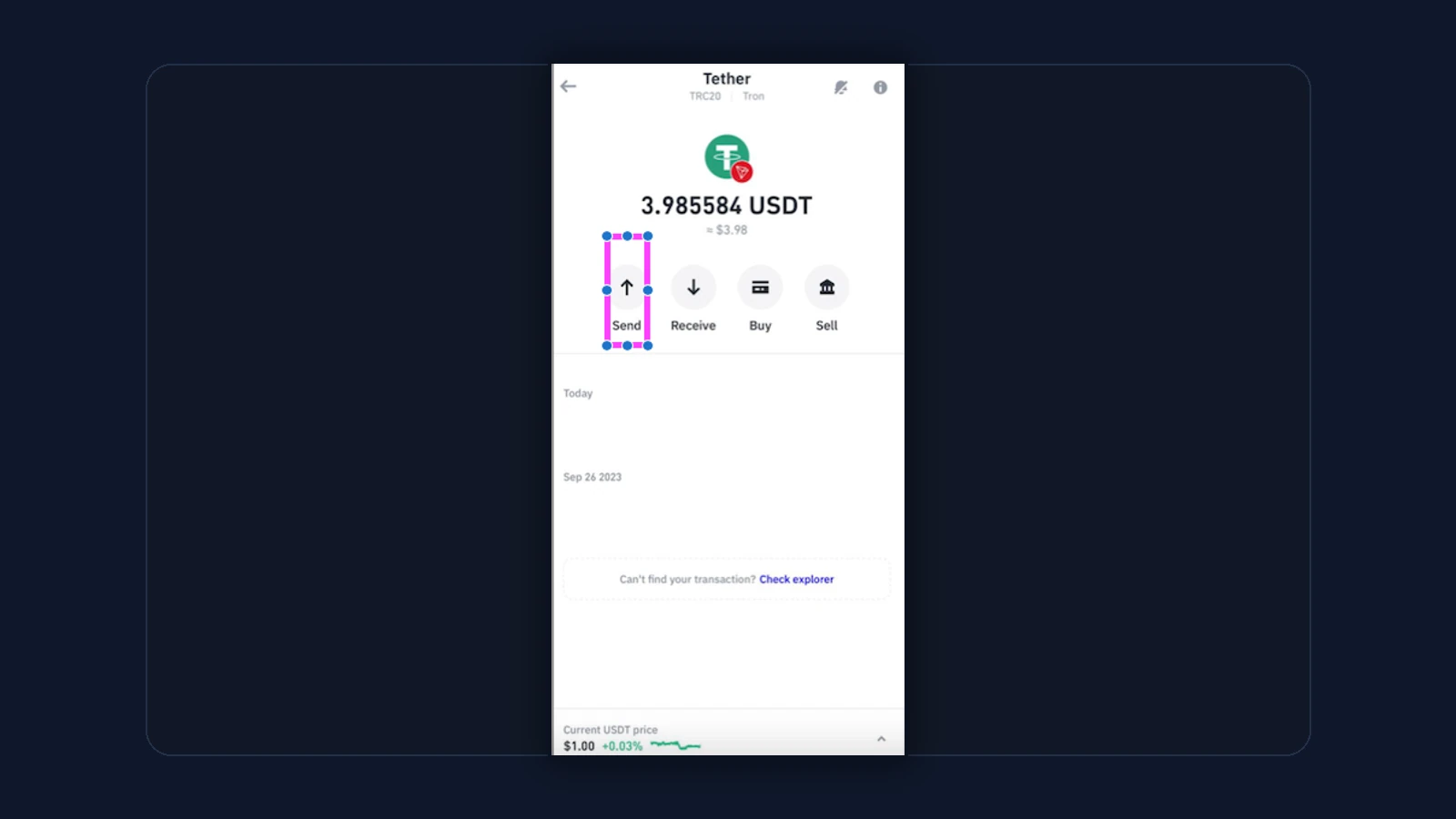
What a Crypto Memo Actually Is
A memo is an additional field attached to some transfers so the receiving service can map the deposit to a specific user. On-chain, the transfer may still arrive at the correct address, but the platform needs that extra identifier to know who should be credited. That is why users sometimes say, "The address was right, but my deposit did not show up." In many cases, the missing memo is the real problem.
This matters most on shared deposit systems. If an exchange gives many users the same base address for a network, it needs a second field to separate those deposits internally. That is the operational role of the memo. It is routing metadata, not wallet ownership.
Why Some Platforms Need a Memo
Trust Wallet's transfer guidance makes the practical warning clear. Smooth transfers are not only about the address. They also depend on blockchain fees, network selection, and special requirements such as destination tags. Platforms use memos when the raw address is not enough for their internal accounting.
Why memo-style fields exist
The exact label changes, but the operational meaning stays the same. If the receiving platform highlights an extra field, that field is part of the destination. Treat it with the same seriousness as the address itself.
Memo vs Address vs Destination Tag
Beginners often combine these into one fuzzy concept, but they solve different problems. The address tells the blockchain where the transfer goes. The memo tells the receiving service which user account should be credited. A destination tag is usually the same idea with a different label. The receiving platform decides which of these fields is required, not your preference.
Three things that should never be mixed up
What Happens When a Memo Is Missing or Wrong
A missing memo does not always mean the funds are gone forever, but it usually means the transfer will not be credited automatically. At that point you are depending on manual recovery policies, screenshots, support queues, and sometimes extra fees. That is why memo mistakes feel especially painful: the transaction often succeeded on-chain, yet the user still cannot access the funds where they expected them.
The common failure modes
Safe memo workflow before any serious transfer
- Open the destination platform and read the deposit instructions for the exact asset and chain.
- Copy the address and the memo or destination tag together if one is required.
- Check that the sending wallet supports the same network route the destination expects.
- Review the confirmation screen one last time before sending.
- If the amount matters, send a small test first.
A Safe Send Workflow
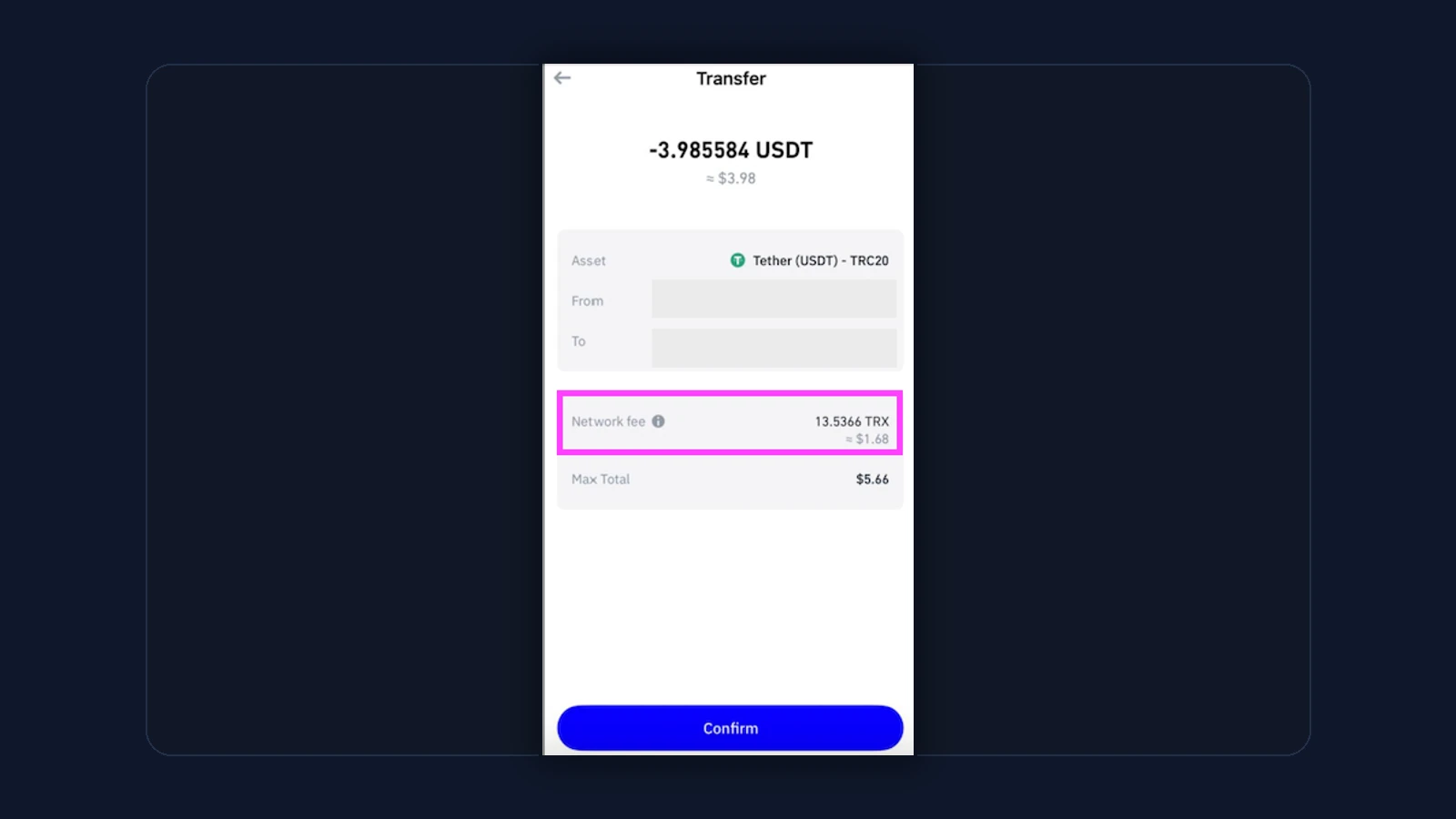
The best order is extremely boring, which is why it works. First choose the correct asset. Second match the network. Third confirm the address. Fourth confirm the memo or tag if required. Fifth check the fee and the amount. Only then should you approve the send. When people rush, they reverse this order and focus on the amount first, which is the least important part of transfer safety.
This article is not saying every transfer needs a memo. Most do not. It is saying that whenever a platform explicitly asks for one, you should treat it as mandatory infrastructure rather than optional commentary.
How DEXTools Still Helps Before the Send
DEXTools does not generate exchange deposit memos, but it can still prevent a different class of mistake. Before you send, DEXTools helps you confirm that the token and chain context are correct. That matters because users sometimes get the memo right while still choosing the wrong token contract or wrong chain route. DEXTools is the asset sanity check. The wallet and deposit page are the transfer execution check.
A good process is: confirm the real token on DEXTools, open the correct deposit route on the destination platform, then complete the send with the right address and memo. The goal is not speed. The goal is reducing irreversible mistakes.
Frequently Asked Questions
What is a memo in crypto?
It is an extra routing identifier used with some blockchain addresses so the receiving service can credit the correct user account.
Is a memo the same as a wallet address?
No. The address tells the blockchain where the funds go, while the memo helps the receiving platform route the deposit internally.
What if I forget the memo?
The funds may still arrive on-chain, but the platform may not credit them automatically. Recovery usually depends on support and can be slow.
Is a destination tag the same as a memo?
Usually yes in practical terms. The label changes, but the role is the same: routing the deposit to the right internal account.
Should I send a test transfer when a memo is required?
Yes, especially if the amount matters. A small test can catch an address, network, or memo mistake before it becomes expensive.
Related DEXTools tutorials
Disclaimer: This article is for educational purposes only and does not constitute investment, legal, tax, or security advice. Crypto transfers are often irreversible, so always verify the asset, network, address, and any required memo or tag before sending.