TRON Super Representatives: How Voting and Governance Work (2026)
— By Tony Rabbit in Tutorials
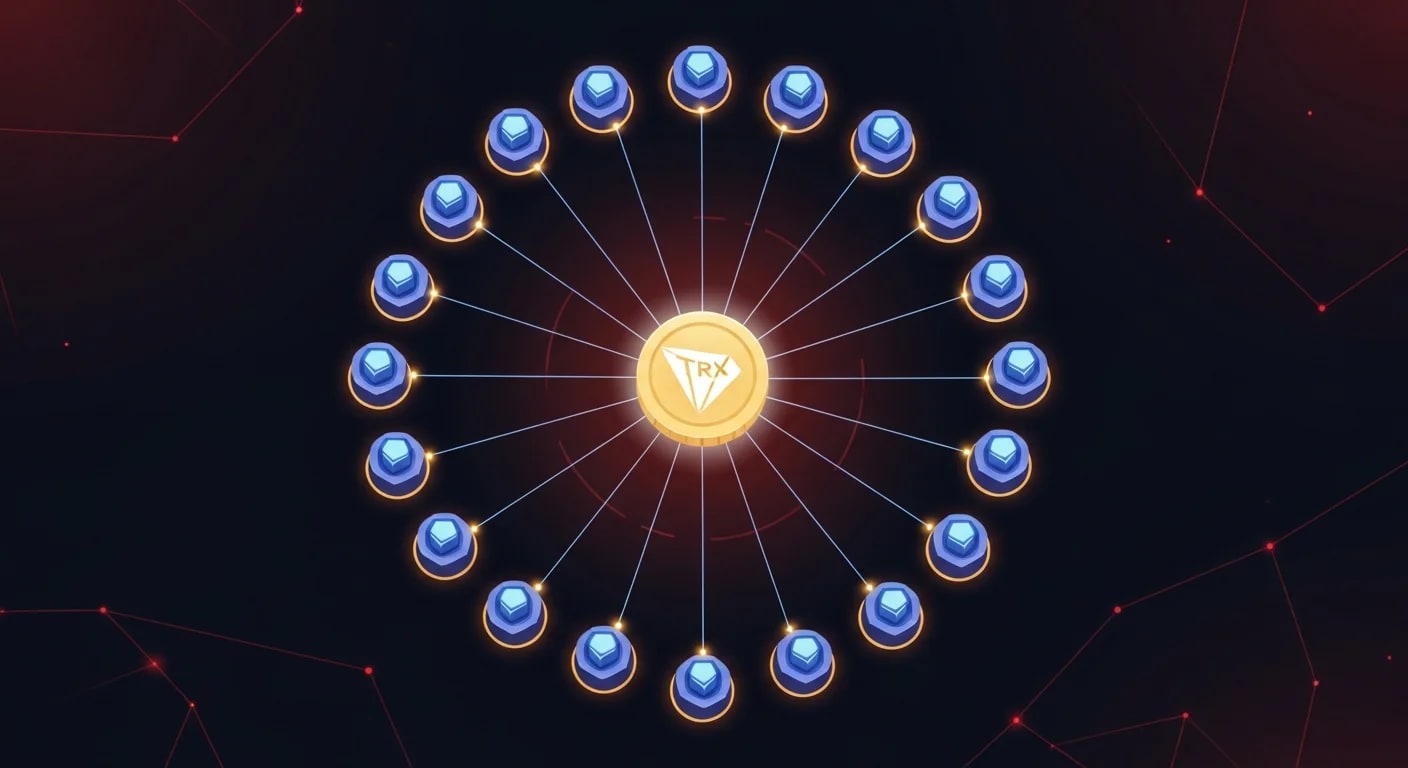
Super Representatives are TRON's elected validators. This guide explains the 27-validator design, how to vote with TRX, how rewards are split, and how governance actually moves on TRON.
TRON's governance is built around 27 elected validators called Super Representatives, plus a wider group of candidates and Super Partners. The system is unusual relative to chains like Ethereum or Solana, but it is straightforward once you understand the structure: TRX holders vote, the top vote-getters produce blocks and earn rewards, and a portion of those rewards flows back to voters as voting yield.
Quick answer: TRON has 27 Super Representatives (SRs) elected by TRX holders. Voting is permissionless: any TRX holder can stake and assign votes. Voting earns a share of block rewards based on which SR you support. Below the top 27 are Super Partners and additional candidate slots that earn smaller rewards. Voting is reversible at any time, but the rewards model and SR uptime should both be checked before allocating votes.
- Top 27 are the Super Representatives. They produce blocks and earn the highest rewards.
- Voting requires staked TRX. Resources are returned in energy or bandwidth, plus voting rewards.
- Rewards depend on SR policy. Each SR can choose how much of block rewards to share with voters.
- Voting is reversible. Reallocate votes at any time, with no lockup specific to voting.
- Productivity matters. SRs that miss blocks earn less, which lowers your voting rewards too.
The TRON governance model
TRON uses Delegated Proof of Stake. Users do not run validator hardware. Instead, they vote with their TRX for the validators they want to produce blocks. The validators with the most votes earn the right to produce blocks for an epoch and split a portion of the resulting rewards with their voters.
27 Super Representatives
The top 27 candidates by total votes are the active Super Representatives. They take turns producing blocks in a rotation, each block adding rewards to their pool. Falling out of the top 27 means losing the SR slot until the votes recover.
Super Partners and candidates
Below the top 27 sit a tier called Super Partners and a wider group of candidates. They do not produce blocks but receive smaller rewards for their voting support and participation. The cutoffs and reward parameters are set by governance and can change over time.
How to vote for a Super Representative
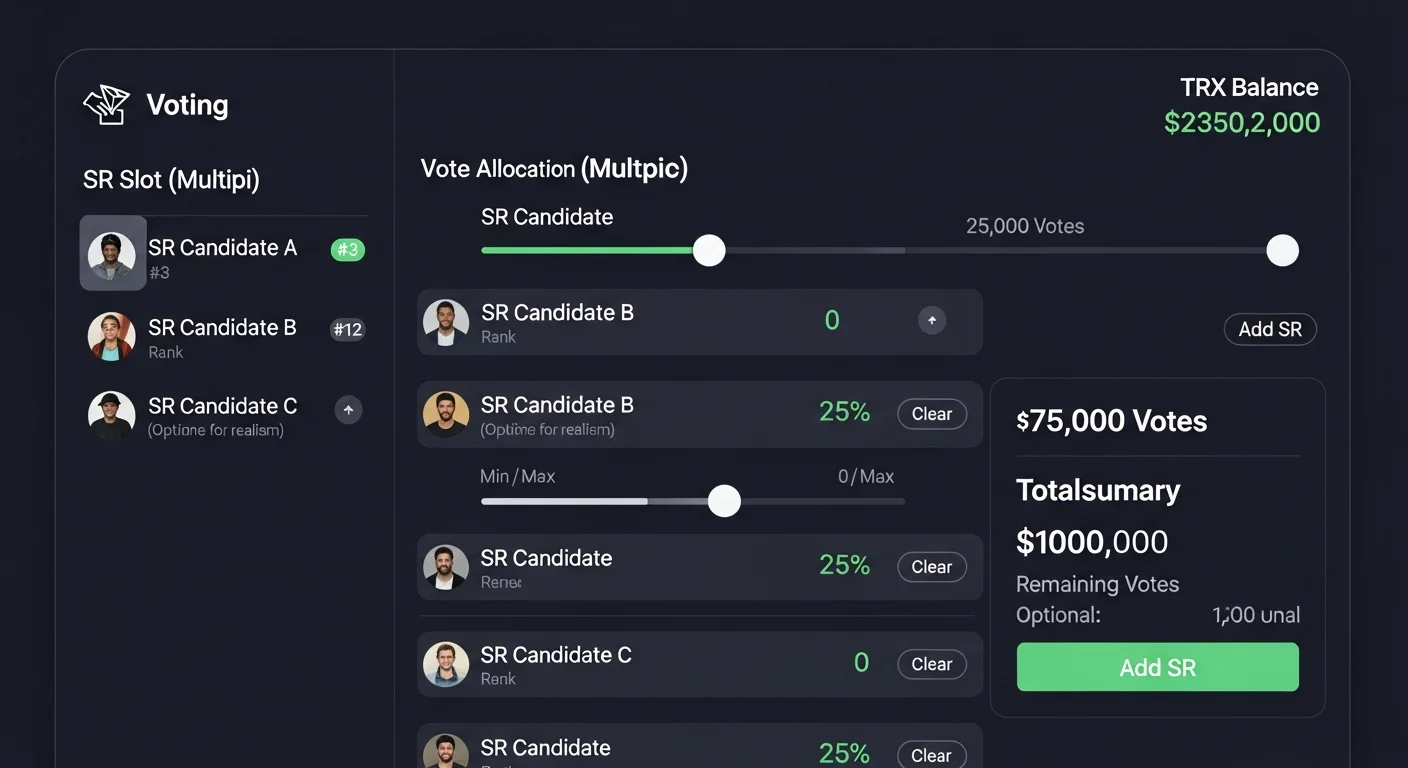
Voting only takes a few clicks once your TRX is staked. The two important decisions are how much to stake and which SR to back.
Stake TRX first
Inside TronLink, choose Freeze (older interface) or Stake (newer interface) and lock TRX. Your stake earns recurring energy or bandwidth, plus the right to vote. The amount of voting power equals the staked TRX. We have a deeper explainer at what are TRX energy and bandwidth.
Cast votes
From the Vote section, distribute votes across one or more SRs. You can put all your votes on a single SR or spread them across several. Each vote unit costs no extra TRX beyond the stake itself, so distributing votes does not cost more.
Claim and reallocate
Voting rewards accrue continuously and can be claimed when convenient. Rewards do not auto-compound; if you want to grow your stake, claim, restake, and re-vote. You can also unstake and restake at will, with the standard cooldown for unstaking.
How voting rewards actually work
Rewards depend on which SR you back, how productive that SR is, and what payout policy that SR has set. Two voters with identical stakes can earn very different amounts based on these choices.
Block rewards and brokerage
Block rewards go to the SR producing the block. Each SR sets a "brokerage" percentage that determines what share they keep versus pay to voters. Some SRs pay nearly all rewards back to voters, others keep a larger cut to fund operations. Always check the brokerage before voting.
Productivity
Productivity is the percentage of expected blocks that an SR actually produces. A productivity below 100 percent means the SR missed blocks and the rewards pool is smaller. Voters of that SR earn less than voters of an SR running at full productivity.
APY in practice
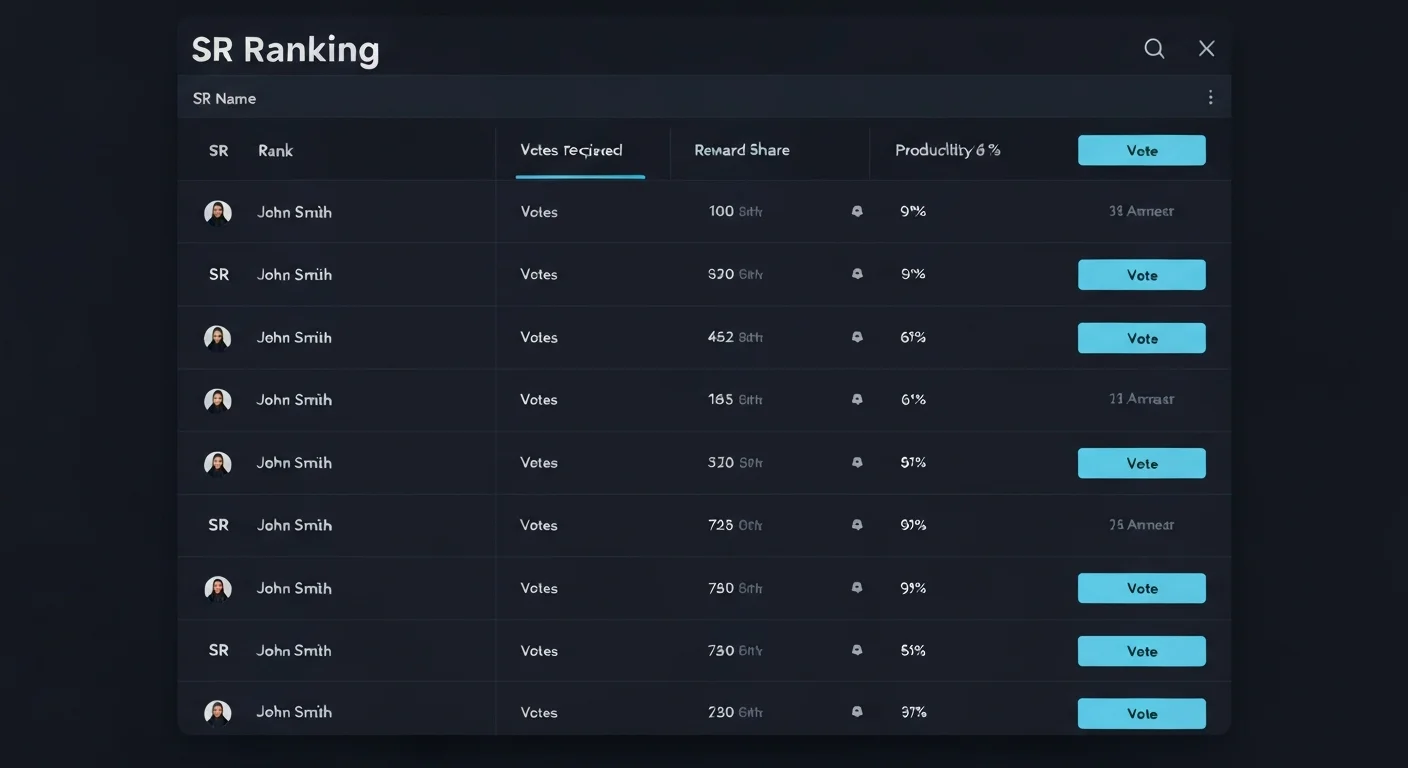
The combined effect of brokerage and productivity yields an effective APY for voters. It is usually shown directly on TRX wallet dashboards or third-party SR rankings. Numbers shift over time as more or less TRX is staked across the system.
How to pick a Super Representative
The right SR is not just the one with the highest advertised APY. The choice usually comes down to a small set of practical factors.
Productivity history
SRs with consistent 99 percent productivity are more reliable than those with frequent dips. A short-term advertised APY on a flaky SR can collapse on the next missed-block stretch.
Brokerage transparency
Look for SRs that publish a clear brokerage policy and follow through. Sudden changes to brokerage are a warning sign that yields could shift without notice.
Community alignment
Some SRs are well-known names that fund TRON development, run public services, or sponsor community work. Voting can be both a yield decision and an indirect signal to the ecosystem about which contributors deserve resources.
SRs vs Super Partners vs candidates
| Tier | Block production | Reward potential | Vote requirement |
|---|---|---|---|
| Super Representative (top 27) | Yes | Highest | Top vote count |
| Super Partner | No | Mid | Below top 27, above candidate cutoff |
| Candidate | No | Lower | Below Super Partner threshold |
Voting risks and common mistakes
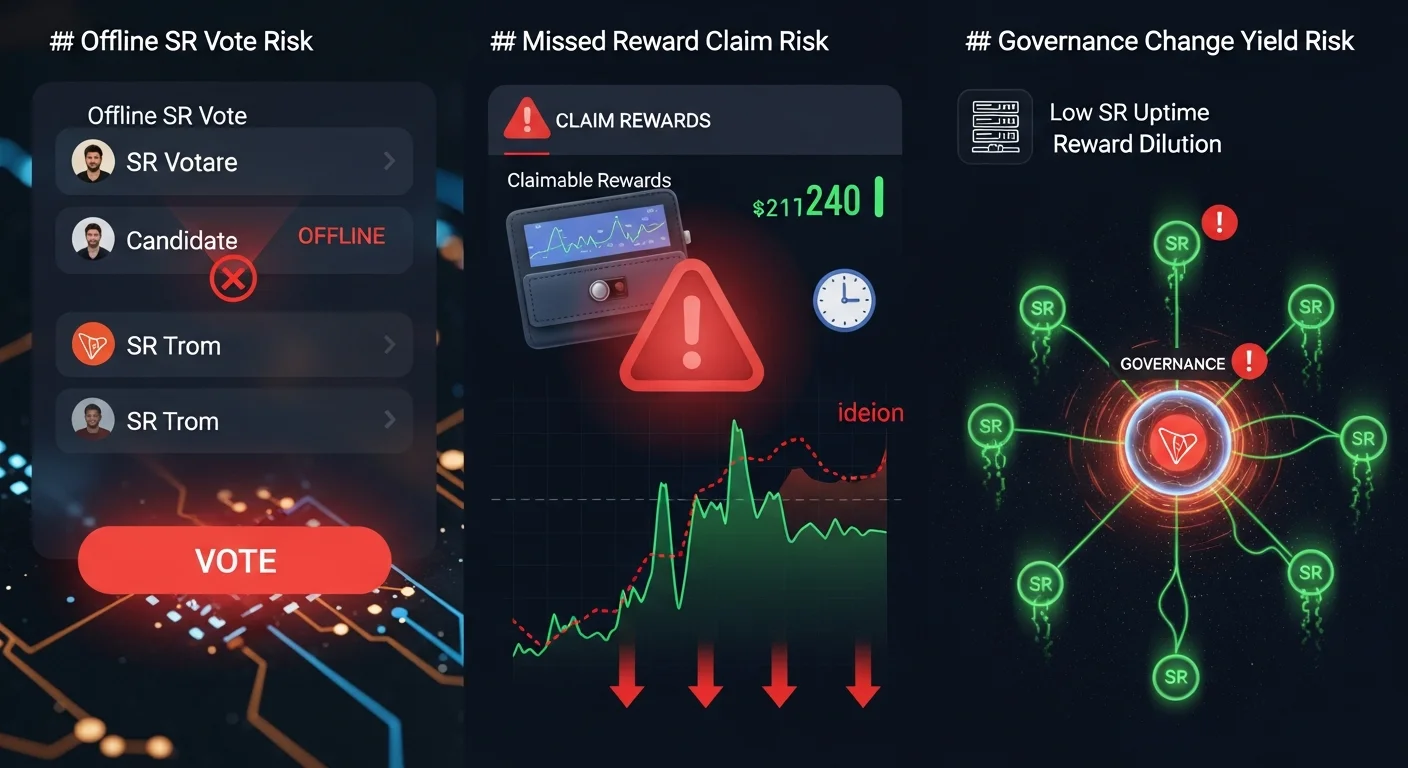
- Voting for an inactive SR: low productivity quietly drains rewards.
- Forgetting to claim rewards: rewards do not auto-compound. Forgotten rewards do not earn additional yield.
- Chasing the highest APY: brokerage can be temporary. Consistency matters more than spikes.
- Ignoring governance proposals: SR sets and parameters can change through TRON Improvement Proposals.
- Concentrating all votes on one SR: single-SR support can be fine, but spreading reduces the impact of one bad SR.
Practical workflow for SR voting
- Decide your stake size. Match it to the resources you actually need plus your voting yield goals.
- Compare SR rankings. Look at productivity, brokerage, and the SR's reputation in the community.
- Vote across two or three SRs. A small spread reduces single-SR risk.
- Set a reminder to claim rewards. Weekly or biweekly cadence keeps the math compounding.
- Watch for governance proposals. Major TIPs can change reward economics.
Frequently asked questions
What is a TRON Super Representative?
A validator elected by TRX holders to produce blocks. There are 27 active SRs at any time, with rotating block production and reward distribution.
How do I become a Super Representative?
Anyone can apply by paying the SR registration fee and accumulating enough votes to enter the top 27. Sustaining the position requires ongoing voter support.
Do I lose my TRX when I vote?
No. Voting only requires staked TRX, which can be unstaked after the standard cooldown. The TRX is not consumed by voting.
How often are Super Representatives elected?
Voting is continuous. The set of active SRs is recomputed every six hours, so a sudden swing in votes can shuffle the top 27 quickly.
What is the typical TRON SR voting APY?
It varies with brokerage, total stake, and SR productivity. The numbers are visible in TronLink and on third-party SR rankings.
Final takeaway: TRON's Super Representative system is the reason staking and voting on TRX is so accessible. Pick reliable SRs with transparent policies, spread votes a little, and remember to claim rewards. The system rewards informed voters more than passive ones.
Disclaimer: This guide is for educational purposes only and does not constitute investment, financial, legal, or trading advice. Governance parameters can change.
Related Guides
- How Do DAOs Work? Governance, Treasury and Voting Explained (2026)
- What Is Snapshot: Complete DAO Governance Voting Guide (2026)
- Governance Quorum vs Whale Voting: How DAO Control Risk Affects Tokenholders
- Lido on Ethereum: stETH, wstETH and Dual Governance Explained (2026)
- What Is Hedera (HBAR)? Hashgraph and Governance Explained
Frequently Asked Questions
What are TRON Super Representatives?
Super Representatives are the elected block producers and validators that secure the TRON network and participate in its governance. They are chosen by TRX holders through on-chain voting.
How do you vote for a Super Representative on TRON?
TRX holders gain voting power by freezing or staking TRX to obtain resources, then casting votes for the candidates they support. Votes can usually be changed, and holders can spread votes across multiple candidates.
How are voting rewards distributed on TRON?
Super Representatives earn rewards for producing blocks and participating in the network, and many share a portion of those rewards with the people who voted for them. The exact share each one offers can vary by candidate.
Why does the number of validators matter in TRON governance?
TRON uses a delegated design where a fixed set of top-voted Super Representatives produce blocks, which favors performance and coordination. This concentrated validator set is a trade-off between efficiency and broader decentralization.