Stop-Limit vs Stop-Market Orders: Crypto Guide 2026
— By Tony Rabbit in Tutorials

Stop-limit vs stop-market orders explained: learn the real difference, when each one is useful, and why the tradeoff matters in fast-moving crypto markets.
Stop-limit and stop-market orders look similar on the surface because both use a trigger price, but they solve different problems. One prioritizes getting you out or in once the trigger is hit. The other prioritizes not accepting a worse price than the one you define. In quiet markets the difference can feel small. In crypto, where price can jump, wick, or thin out in seconds, it becomes one of the most important execution choices you make.
This article is narrower than our broader order types guide. The goal here is to answer one practical question cleanly: when does execution certainty matter more than price certainty, and when is the reverse true?
Quick answer
- Stop-market triggers first, then executes as a market order. It prioritizes action, not exact price.
- Stop-limit triggers first, then posts a limit order. It prioritizes price control, not guaranteed execution.
- In fast crypto markets, stop-market is often favored for hard exits and risk control.
- Stop-limit can be better for planned entries or exits when you refuse to pay beyond a certain price, but it can also miss completely.
What a Stop-Market Order Does
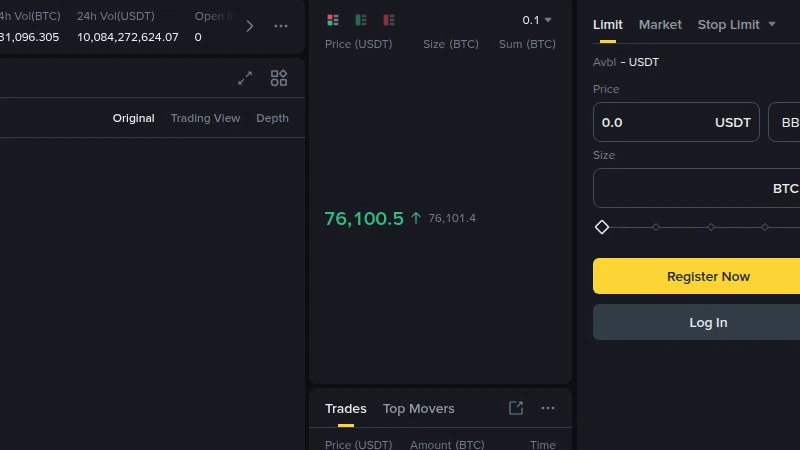
A stop-market order stays inactive until the trigger price is reached. Once triggered, it becomes a market order and tries to fill immediately using the best available liquidity. The benefit is obvious: if your main goal is to get out, it usually does that job better than a stop-limit order. The tradeoff is that you do not control the exact final fill price.
That makes stop-market attractive for hard invalidation points, especially on leveraged positions where the cost of not exiting can be worse than a bit of slippage.
What a Stop-Limit Order Does
A stop-limit order also waits for a trigger price. The difference is what happens next. Instead of converting into a market order, it converts into a limit order. That means the order will only fill at your limit price or better. This gives you more price control, but it also creates the risk that the market keeps moving and your order never fills.
That is the entire stop-limit tradeoff in one sentence: better control if the market cooperates, worse protection if it does not.
Why the Difference Is Bigger in Crypto
Crypto trades 24/7, liquidity quality changes fast, and smaller markets can jump through price levels without much warning. That means a stop-limit order that looked perfectly reasonable in calm conditions can fail to fill during a sharp wick or news-driven move. On the other side, a stop-market can protect the trader from being trapped, but the fill may be materially worse than the original trigger.
This is why stop-order choice is more than a textbook definition. It is a market-structure decision. The thinner the book and the faster the move, the more important that decision becomes.
Crypto-specific reality check
When Traders Usually Prefer Each One
There is no universal winner. The question is what you are optimizing for. If you are protecting capital, execution usually matters more. If you are filtering for a very specific entry or exit price, price control may matter more, as long as you accept the no-fill risk honestly.
Trigger Price vs Execution Price
Another beginner mistake is assuming the trigger price and the fill price are the same thing. They are not. The trigger price is what activates the order. The execution price is where the order actually fills. For stop-market, the gap between those two prices can widen during volatility. For stop-limit, the gap may stay controlled, but the order may not execute at all.
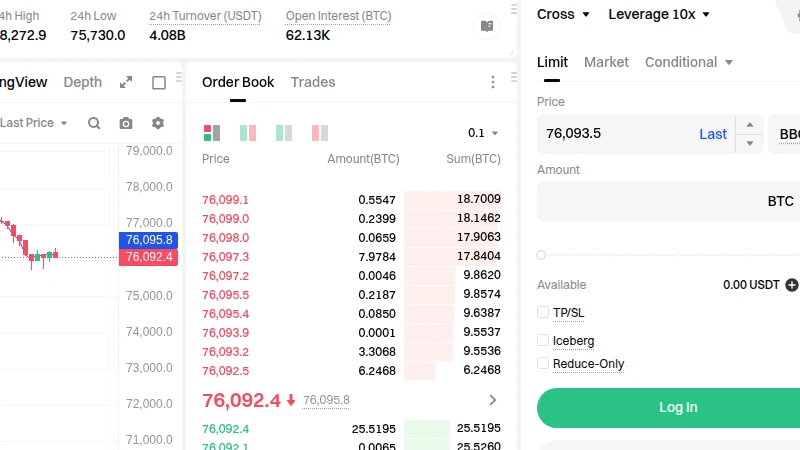
Exchanges also vary in how they define the trigger itself. Some use last price, some use mark price, and some allow you to choose. Others hide stop logic behind labels like Conditional or TP/SL. That is why it is worth checking the exact venue rules before assuming every platform behaves identically.
Common Stop-Order Mistakes
- Using stop-limit for a hard stop loss in a violent market: you may discover the price gap only after the order fails to fill.
- Expecting stop-market to deliver the exact trigger price: it prioritizes execution, not perfect price.
- Setting the stop and limit too close together: a tiny cushion can make a stop-limit far easier to miss.
- Ignoring trigger source: mark price, last price, and index-based triggers are not interchangeable.
- Placing stops inside obvious noise: even the right order type can perform badly if the level itself is poorly chosen.
Best mindset
Frequently Asked Questions
What is the difference between stop-limit and stop-market?
A stop-market order turns into a market order when the trigger price is hit, while a stop-limit order turns into a limit order and will only fill at the specified limit price or better.
Which one is better for a stop loss?
Many traders prefer stop-market for a hard risk exit because it prioritizes execution. Stop-limit offers more price control but can fail to fill in fast markets.
Why can a stop-limit order miss?
Because after the stop price is triggered, the market still has to trade at your limit price or better. If price moves through the level too quickly, the order may stay unfilled.
Why can a stop-market fill worse than expected?
Because once triggered it crosses the market using available liquidity, so thin books or fast moves can create slippage.
Do all exchanges label these orders the same way?
No. Some exchanges show them directly as Stop Market and Stop Limit, while others group them under Conditional, TP/SL, or advanced order tabs.
Related DEXTools tutorials
- Crypto Order Types Explained
- What Is an Order Book in Crypto?
- What Is Bid-Ask Spread in Crypto?
- How to Calculate Position Size in Crypto
Disclaimer: This article is for educational purposes only and does not constitute investment, financial, legal, or trading advice. Order behavior, trigger source, and available stop types can differ across exchanges.
Related Guides
- Not.Trade Limit Orders: TON Memecoin MCAP Triggers Guide 2026
- How to Use 1inch for Swaps: Classic, Fusion and Limit Orders (2026)
- TWAP Order Crypto: Complete Execution Guide 2026
- What Is a Stop Hunt in Crypto? Complete Trading Guide (2026)
- Take Profit vs Stop Loss in Crypto: Key Differences, Trigger Logic and Fill Risk (2026)