Top 5 NFT Marketplaces in 2026: Where to Buy and Sell Digital Assets
— By Whatsertrade in Tutorials
Compare OpenSea, Blur, Magic Eden, Tensor, and Rarible in 2026 with real screenshots, fee context, chain support, and guidance on which NFT marketplace fits you.
NFT marketplaces in 2026 are not all solving the same problem anymore. Some are trying to be the easiest place for a newcomer to buy their first collectible. Others are optimized for fast-moving traders who care about floor sweeps, bidding speed, and portfolio management. A few still lean hardest into creator tools, storefronts, and multichain distribution. That is why a simple top-5 list is only useful if it tells you what each platform is actually good at.
The short version is this: OpenSea is still the default brand for broad NFT discovery, Blur is built for serious Ethereum-native traders, Magic Eden wins when you want strong multichain coverage including Bitcoin ordinals, Tensor is the sharper choice for active Solana NFT trading, and Rarible still matters when creator tooling and branded storefronts are part of the decision. This updated guide adds real screenshots, more practical context, and a cleaner way to decide where you should actually trade.
Quick answer
- Use OpenSea if you want the most familiar mainstream marketplace with broad chain support and a gentler learning curve.
- Use Blur or Tensor if you care more about execution speed, analytics, and active trading workflows than beginner friendliness.
- Use Magic Eden for strong multichain NFT coverage, and Rarible if creator tools, royalties, or white-label storefronts matter most.
What Matters Most When Choosing an NFT Marketplace
The old way to rank NFT marketplaces was basically volume plus hype. That is too shallow now. In 2026, the better question is whether the platform fits your workflow. If you are mostly browsing, buying, and occasionally listing, you care about chain support, interface clarity, trust signals, and how easily you can move from wallet connection to actual purchase. If you are trading actively, the priorities change fast. You start caring about fee drag, real-time execution, collection analytics, and whether the interface was built for speed rather than aesthetics.
That is why the same marketplace can feel excellent for one user and wrong for another. OpenSea remains strong because breadth and familiarity still matter. Blur and Tensor matter because advanced traders do not want the same user experience as casual collectors. Magic Eden matters because NFT activity is not an Ethereum-only story anymore. Rarible matters because creator economics and branded storefronts still have a place even when trading competition gets more aggressive.
The five filters that matter most now
The practical snapshot of the top 5 NFT marketplaces
How the Top 5 Platforms Actually Differ
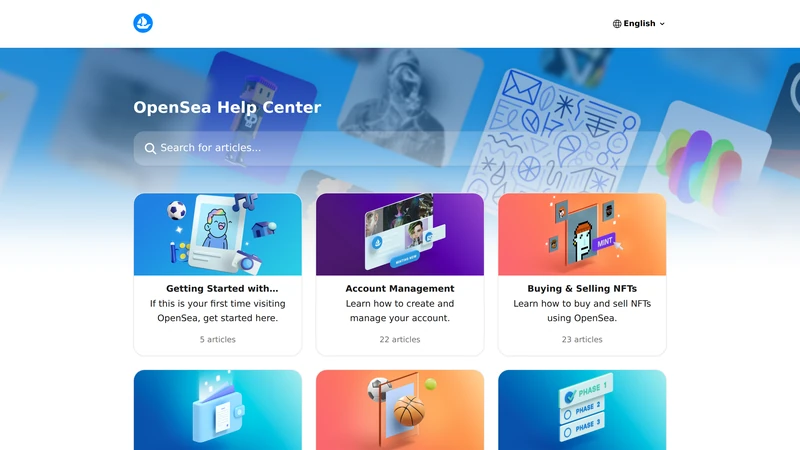
OpenSea remains the broadest household name. That still matters. A lot of users do not want the most specialized interface in the market. They want a place where discovery, basic listing, and multichain browsing feel legible. OpenSea has lost some mindshare with ultra-active traders, but it remains highly relevant because it is still the place many users trust first, especially when they are newer to NFTs or simply want the least confusing route into the market.
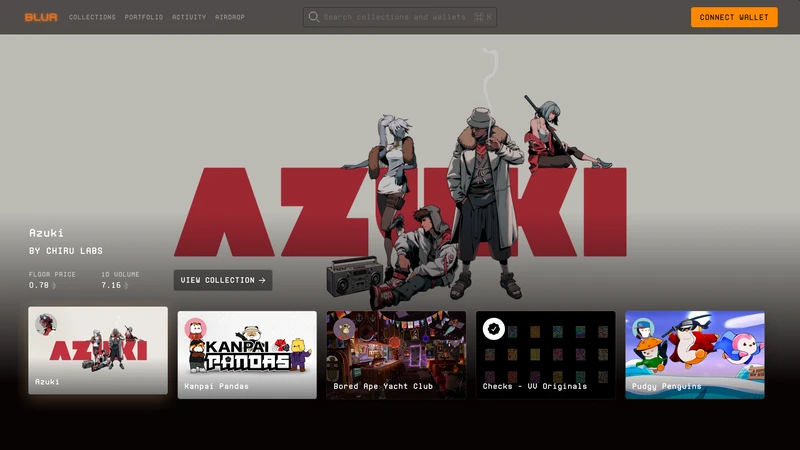
Blur is the opposite kind of product. It is unapologetically optimized for traders, especially on Ethereum. Lower fees, faster listing and bidding flows, and stronger portfolio-wide execution are the core reason it exists. If OpenSea feels like a mainstream storefront, Blur feels more like a terminal built for people who do not want to waste time. That distinction is why the two products can coexist without serving the exact same user equally well.
Magic Eden deserves its place because it captures something the older Ethereum-centric ranking logic misses. NFT activity is distributed. Users move between Solana, Bitcoin ordinals, Ethereum, Base, and other chains more fluidly than before, and Magic Eden has built real relevance around that reality. Even if some users still associate it most strongly with Solana, its appeal now is that it feels like a genuinely multichain NFT venue rather than a one-ecosystem specialist pretending to be broader than it is.
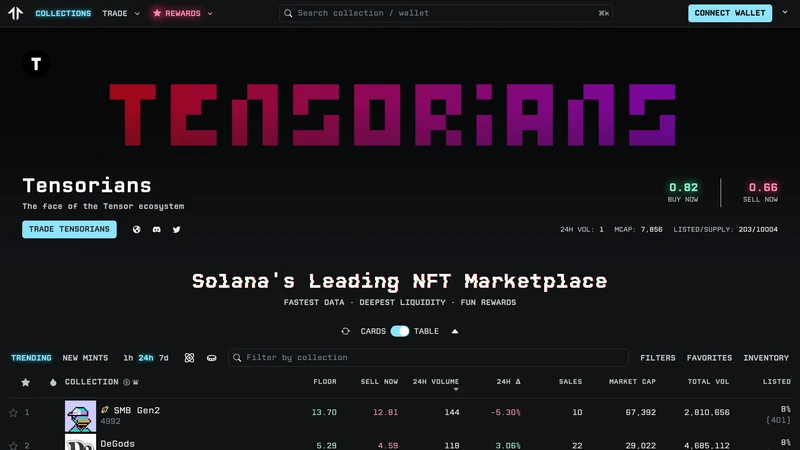
Tensor has become the sharper tool for Solana-native NFT traders who want more than simple browsing. The platform feels closer to a DeFi trading product than a casual storefront, and that is exactly the point. Analytics, fast execution, and market-style behavior matter much more when the user is treating NFTs as an actively traded asset class rather than a collection hobby. Tensor is not trying to be cozy. It is trying to be efficient.
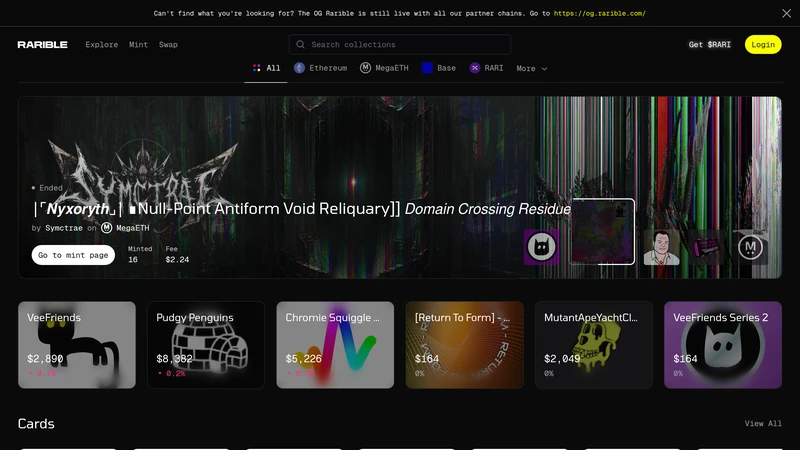
Rarible is the easiest one to underestimate if you only think like a trader. It still matters because creator economics, branded storefronts, and flexible marketplace infrastructure remain important. Not every NFT use case is a race to the fastest floor sweep. Some users want better presentation, stronger community identity, and a platform that treats storefront customization as part of the product rather than a side note. That is where Rarible still has an argument.
Which Marketplace Is Best for Each Type of User
If you are a newcomer who wants a familiar interface and broad collection discovery, OpenSea is still the easiest recommendation. It may not be the cheapest place for every transaction, but it remains the cleanest default for many users because trust, discoverability, and onboarding still matter. If you want to buy a few pieces, understand the category, and avoid an overly specialized interface on day one, it is still a strong default.
If you are an active Ethereum NFT trader, Blur is the stronger fit. The fee profile and execution tools are simply more aligned with speed-sensitive behavior. If you are a multichain collector who jumps between ecosystems, Magic Eden is the name that makes the most sense. If you are deep into Solana NFTs and want the sharper market-style experience, Tensor is a better recommendation. If you are a creator, project, or brand thinking about storefronts and royalty-sensitive positioning, Rarible still deserves a serious look.
Fast recommendations by user type
Common Mistakes When Choosing Where to Trade NFTs
The biggest mistake is choosing by reputation alone. The second biggest mistake is choosing by fee alone. Both are too narrow. A marketplace with strong brand recognition can still be the wrong fit for a user who needs speed and bulk bidding. A marketplace with low fees can still be a poor fit if the collections or buyers you care about are elsewhere. Chain mismatch is another classic error. People forget that the best NFT marketplace on Ethereum may not be the best one for Solana or Bitcoin ordinals.
The other mistake is ignoring workflow entirely. If you browse slowly, collect selectively, and want clarity, a trader-first interface may feel miserable. If you trade daily and care about execution, a beginner-first interface may feel too slow. The right marketplace is the one that matches your actual behavior, not the one that wins a popularity contest on social media that week.
Mistakes that waste time or money
Frequently Asked Questions
What is the best NFT marketplace for beginners in 2026?
OpenSea is still the easiest broad recommendation for beginners because it combines strong brand recognition, multichain reach, and a more approachable onboarding experience.
What is the best NFT marketplace for professional traders?
Blur is usually the better fit for active Ethereum NFT traders, while Tensor is the stronger option for users focused on Solana NFTs.
Why is Magic Eden still important in 2026?
Because NFT activity is increasingly multichain, and Magic Eden remains one of the strongest platforms for users who move between Solana, Bitcoin ordinals, Ethereum, Base, and other ecosystems.
Is Rarible still relevant if I am not a creator?
Yes, but it matters most when storefronts, creator economics, or branded marketplace experiences are part of the decision.
What is the biggest mistake when choosing an NFT marketplace?
Choosing based on brand or fees alone. The better approach is to match the platform to your chain, your workflow, and the kind of NFT activity you actually do.
Related reading
Disclaimer: This article is for educational purposes only and not financial, legal, or tax advice. Fees, supported chains, product features, and royalty policies can change. Always review the live marketplace details before buying or selling NFTs.
Related Guides
- Top NFT Marketplaces Compared: OpenSea and others.
- OpenSea vs Blur: NFT Marketplaces Compared (2026)
- What Are Cryptocurrencies? Beginner Guide to Digital Assets (2026)
- How to Use MoonPay to Buy and Sell Crypto: Beginner Guide (2026)
- How to Use Coinbase in 2026: Complete Beginner Guide to Buy Sell and Trade Crypto