What Is Optimism (OP)? Superchain Guide for Beginners (2026)
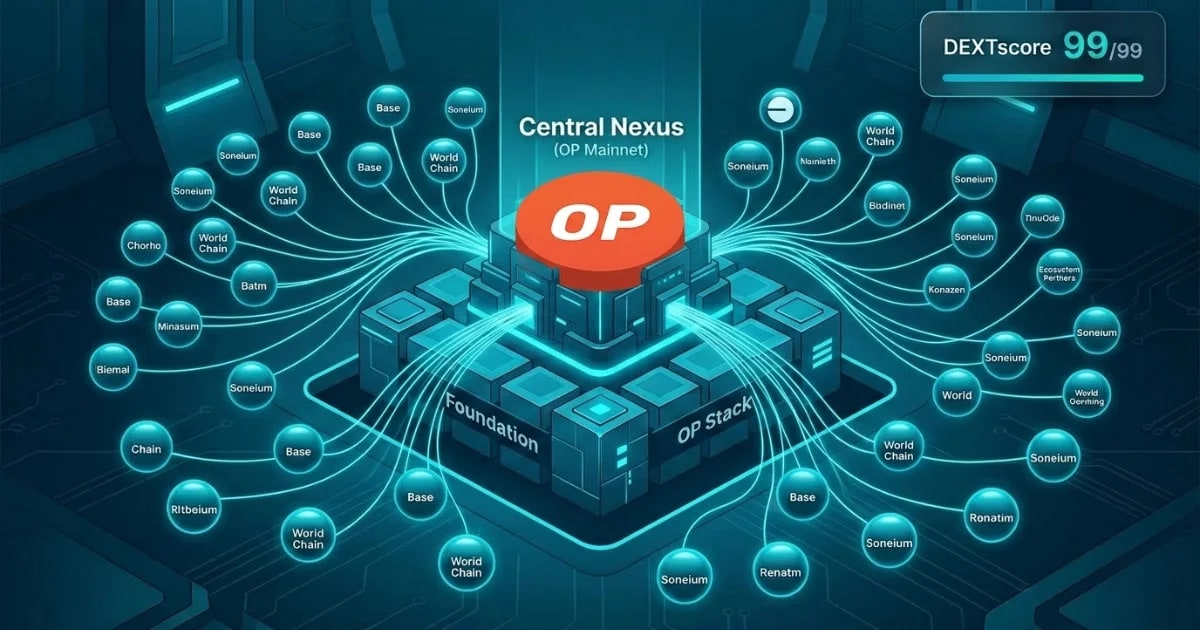
Learn what Optimism is, how the OP Stack and Superchain work, and why OP matters for Ethereum scaling, governance, and shared infrastructure in 2026.
This page answers what Optimism is and how the Superchain works. If you want the Coinbase-specific chain profile, see What Is Base?.
The Superchain and the Modular Ethereum Era
- As of May 11, 2026, Optimism has successfully transitioned from being a standalone Layer 2 (L2) network into the foundational infrastructure for a massive, interconnected network of blockchains. This evolution, centered on the Superchain vision, aims to solve the fragmentation of the Ethereum ecosystem by unifying liquidity, security, and development standards across dozens of chains.
- With the recent launch of the GIWA Chain (the first enterprise-managed OP Stack chain) and the completion of the ether.fi migration to OP Mainnet, the Optimism ecosystem is now processing over 16 million daily transactions across its collective network.
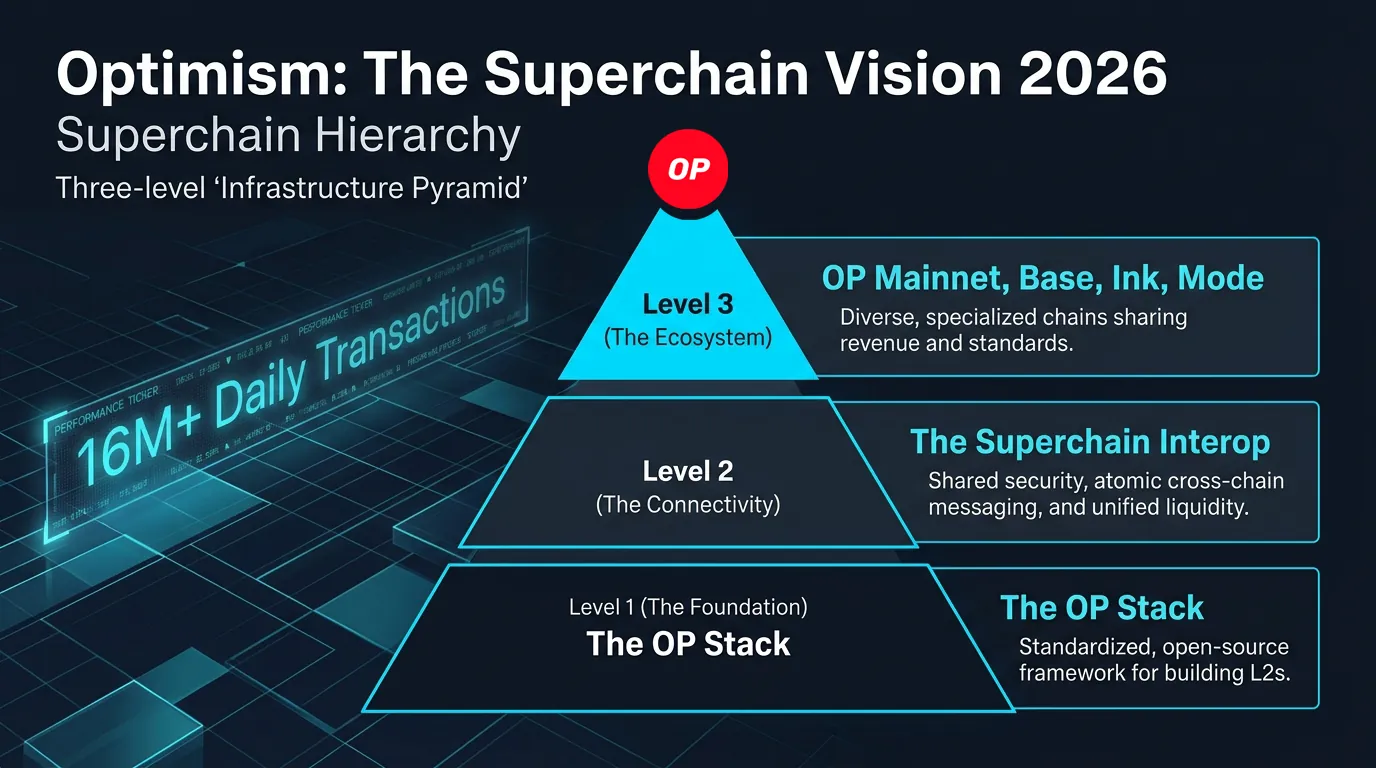
1. The Architecture: OP Stack & The Superchain
The Superchain is not a single blockchain, but a "network of networks." It is powered by the OP Stack, an open-source, standardized development framework.
OP Mainnet: The original L2 remains the "front door" for DeFi and general-purpose applications. As of 2026, it operates at Stage 1 decentralization with live Cannon fault proofs, allowing permissionless challenges to state roots.
The Superchain Vision: By sharing the same software stack, chains like Base, Ink, Unichain, and Soneium can technically achieve "horizontal scaling." This means assets and data can eventually move between these chains with minimal friction, treating the entire Superchain as a single logical entity.
Interoperability (ERC-7802): In early 2026, the implementation of cross-chain standards allowed for "atomic" transfers within the Superchain, reducing the need for traditional, high-risk bridges when moving between member L2s.
2. Optimism Governance Layer: A Two-House System
Optimism employs a unique Collective Governance model designed to balance the interests of token holders with the health of the ecosystem.
The Token House: Governed by OP token holders. They vote on protocol upgrades, inflation rates, and treasury allocations. In February 2026, the Token House approved a structural buyback program, dedicating 50% of Superchain sequencer revenue to purchasing OP for the treasury.
The Citizens' House: A "one person, one vote" house composed of individual contributors and builders. Their primary role is managing Retroactive Public Goods Funding (RetroPGF), ensuring that those who build valuable infrastructure are rewarded regardless of their initial profit model.
3. The Superchain Ecosystem (May 2026)
The Optimism Superchain has become a magnet for both crypto-native protocols and global enterprises:
Base: While maintaining its own distinct brand, Coinbase’s L2 remains the largest contributor to the Superchain's total value locked (TVL).
Unichain & Ink: Recently launched financial chains optimized for DeFi and institutional settlement.
World Chain: The identity-focused chain for the Worldcoin ecosystem, utilizing the OP Stack to scale proof-of-personhood services.
Technical Trade-offs and Market Realities
Strengths and Opportunities
Ecosystem Network Effects: The Superchain creates a "moat" where new chains gain instant access to existing users and liquidity.
Revenue Alignment: The 2026 buyback program provides a clearer link between the success of the entire Superchain and the value of the OP token.
EVM Equivalence: Development is seamless for Ethereum engineers, as the OP Stack remains perfectly aligned with standard Solidity tooling.
Limitations and Challenges
Sequencer Centralization: While fraud proofs are live, many Superchain members still rely on a single sequencer, posing a theoretical censorship risk.
Token Unlock Pressure: Significant portions of the OP supply are still scheduled for release to investors and contributors through 2027, creating persistent sell pressure.
Economic Fragmentation: While technical interoperability is improving, liquidity is still siloed across different L2s, and the "exit" of major partners from revenue-sharing models (like Base's original structure) remains a point of debate.
Verification and Security via DEXTools
- In a 2026 environment where a new "OP Stack Chain" can be launched in minutes, the risk of "ghost chains" and malicious tokens is higher than ever. DEXTools is the essential tool for verifying the legitimacy and safety of assets.
Disclaimer: This article is for informational purposes only and does not constitute investment advice, financial advice, trading advice, or any other kind of advice. DEXTools does not recommend buying, selling, or holding any cryptocurrency or token. Users should conduct their own research and consult with a qualified financial advisor before making any investment decisions. Cryptocurrency investments are volatile and high-risk. DEXTools is not responsible for any losses incurred.
Related Guides
- What Is Velodrome Finance: Complete Optimism ve(3,3) DEX Guide (2026)
- What Is OP Stack: Complete Optimism L2 Framework Guide (2026)
- How to Bridge USDC to Optimism Safely in 2026
- How to Bridge ETH to Optimism Safely in 2026: Full Guide
- Best Telegram Bots for Optimism in 2026: Top 5 Compared
Frequently Asked Questions
What is the Superchain in Optimism?
The Superchain is a network of interconnected blockchains that aims to unify liquidity, security, and development standards across various chains, enhancing the Ethereum ecosystem.
How does the OP Stack contribute to the Superchain?
The OP Stack serves as an open-source development framework that enables different chains within the Superchain to achieve interoperability and horizontal scaling, allowing for seamless asset and data transfers.
What is the governance structure of Optimism?
Optimism features a unique governance model with two houses: the Token House, which is governed by OP token holders, and the Citizens' House, which consists of individual contributors managing public goods funding.
What are the benefits of the Superchain for new chains?
The Superchain provides new chains with immediate access to existing users and liquidity, creating a strong network effect that enhances their growth potential.