Pig Butchering Scams: How to Spot Romance Crypto Fraud
— By AliceOnChain in Tutorials

An operational analysis breaking down the architectural engineering of 'Pig Butchering' (sha zhu pan) crypto fraud. This ten-point telemetry framework decodes social engineering identifiers and teaches systematic verification strategies to neutralize malicious romance-style attacks before capital interaction.
Pig Butchering Scams: How to Spot Romance-Style Crypto Fraud
The decentralization of digital infrastructure has radically enhanced capital sovereignty, enabling individuals to custody and deploy funds outside the gatekeepers of traditional finance. However, this absolute freedom necessitates equally robust security practices. Malicious actors have adapted their tactics, evolving from basic technical exploits to advanced social engineering. The 'Pig Butchering' (sha zhu pan, or 殺豬盤) model represents this modern synthesis of cryptographic understanding and behavioral manipulation.
Unlike crude, instant hacking events, Pig Butchering is a structural fraud engine predicated on long-term relationship cultivation. It combines the emotional hook of a romance scam with the allure of high-yield digital asset strategies. Analyzing Pig Butchering Scams: How to Spot Romance-Style Crypto Fraud is mandatory for any market participant who seeks to protect their capital vault while engaging with the wider web3 ecosystem. For systematic users who utilize advanced analytical suites like DEXTools to evaluate on-chain liquidity depth, building a parallel analytical matrix to evaluate human-driven threats is a critical skill.
Understanding the Architectural Mechanics of Sha Zhu Pan
The phrase "Pig Butchering" describes the deliberate, long-term process of 'fattening' a victim emotionally before 'slaughtering' them by stealing their accumulated assets. This fraud framework typically targets a user's isolated account custody, redirecting the user toward a private, unverified 'brokerage' portal or a counterfeit decentralized exchange interaction.
The Phased Deception Pipeline
The deception pipeline follows a predictable pattern of social engineering benchmarks. Initial engagement often occurs via unexpected direct messaging channels, look-alike domains (e.g., swapping dynamic lowercase 'l' with '1' or Cyrillic characters in a verified profile name), or peripheral social data scraping.
Unlike broad, automatic phishing, this approach is granular. The attacker first seeks a baseline "handshake" of connection and trust, often establishing a separate, private communication venue away from official platforms. Only once this emotional vault is secured is the crypto component introduced-not as a complex transaction, but as a casual suggestion to generate wealth using a specific protocol.
Step 1: Identifying the Romance Hook and Emotional Interoperability
The first operational stage in Sha Zhu Pan involves configuring the social parameters of trust and dependency. Fraud groups use precise behavior analytics to exploit a user's emotional needs.
Red Flags of Emotional Manipulation
Malicious actors do not try to sell you crypto instantly. Instead, they try to establish Deceptive Interoperability-merging their fraudulent data inputs seamlessly into your reality. If you observe any of these behavior patterns, the communication matches a textbook social engineering signature:
Unexpected "Connection Testing" Messages: The initial outbound message is designed to sound harmless, often posing as an accidental wrong number (e.g., "Hi, is this the real estate agent?"). This hook is structured to trigger a "No, wrong number, but hi" rationalization in the target.
Aggressive Relationship Acceleration: The interaction shifts rapidly from casual greeting to profound emotional dependency. If an anonymous user claims intense romantic attachment, provides detailed fabricated backstories of significant shared trauma, or insists on communicating with institutional urgency, the interaction is functionally broken.
The Fabricated Web3 Success Story: The attacker often positions themselves as a wealthy, established operator in the crypto landscape. Their social proof frequently relies on counterfeit screenshots of balance dashboards, luxury goods, or early-stage AMM liquidity pool wins that are statistically improbable without on-chain validation.
Step 2: The On-Chain Trap-Moving Assets to the Counterfeit Gateway
Once trust is localized, the fraud shifts to the asset dispatch clearing layer. Attacking conduits try to guide capital out of a user's secure custody (e.g., a hardware wallet governed by private keys) and into a fraudulent vortex.
Red Flags of the Token Exchange Flow
Anyone applying the principles of Pig Butchering Scams: How to Spot Romance-Style Crypto Fraud must treat any request to move digital assets onto an unverified platform as a maximum-risk security event:
The Private, Unverified Brokerage: The interaction points toward a obscure centralized exchange or 'platform' that lacks historical volume data, regulatory compliance, or public ledger visibility on trusted aggregators. If an entity claims to offer institutional yield on an off-chain database entry, your assets are in immediate jeopardy.
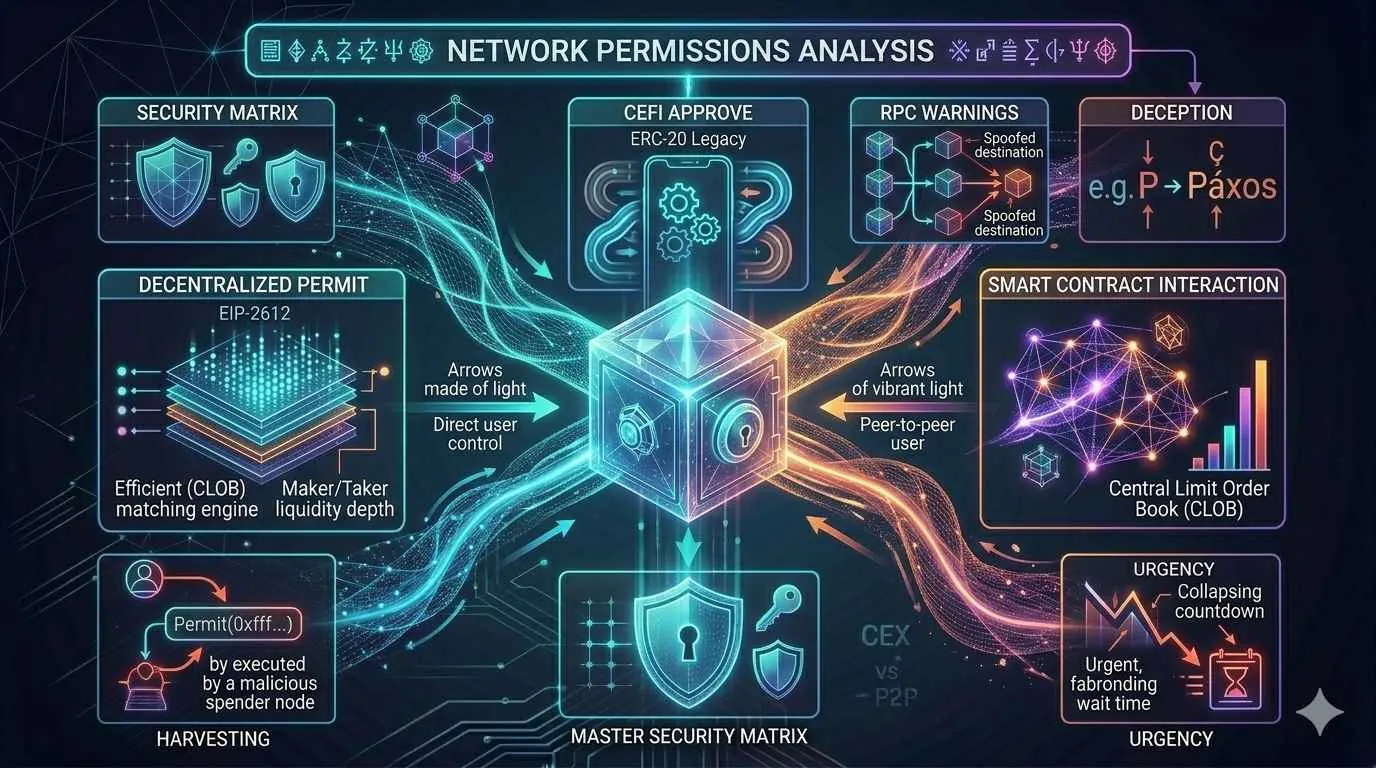
Fabricated Arbitrage and Yield Vortexes: The scam merges legitimate DeFi terms (like 'liquidity pools', 'delta-neutral yield', or 'algorithmic stablecoins') with a centralized Ponzi structure. Attacking conduits try to lure capital toward a fraudulent vortex (referencing image_34.png) where a transparent safe box promises an impossible, static yield profile that is not supported by real on-chain automated market maker (AMM) mechanics.
Mismatched Network Configuration Warnings: Advanced Pig Butchering attacks now incorporate technical deceit, such as counterfeit RPC node warnings claiming that the mainnet routing has changed (referencing the telemetry frame structure in image_32.png). This deceptive interoperability forces users to configure their wallet extended settings with malicious RPC data, allowing the fraud group to harvest private keys and seed phrases quietly.
Step 3: Executing the "Butchering" Sequence-Trapping the Capital
The true operational phase-the 'Butchering'-occurs only when the victim tries to exit the unverified ecosystem or realizes they cannot access their funds.
Red Flags of Capital Entrapment
This phase utilizes multiple deceptive barriers to prevent capital unbonding:
The Arbitrary tax and Compliance Premium: When attempting a withdrawal, the platform demands a standard flat withdrawal premium or fabricated capital gains tax that must be paid upfront, often requiring you to send more native crypto from a different source.
Fabricated Regulatory Investigations: Fraud groups use global geopolitical panic (e.g., referencing a spoofed GENIUS Act compliance update from image_32.png) to claim that your specific account custody has been locked by a fictitious international banking regulator due to "suspicious activity." This barrier ensures your capital unbonding wait times are extended indefinitely.
Counterfeit On-Chain Transactions: If a platform claims to be executing an instant matched P2P execution, require the Transaction ID (TxID) immediately. Pig Butchering scams frequently use fraudulent data inputs where the user interface shows a successful transfer, but the underlying private network accounting entry is a fabricated digital signature harvesting event.
Conclusion: Engineering a probabilistic defense
Mastering Pig Butchering Scams: How to Spot Romance-Style Crypto Fraud means moving beyond emotional responses to unexpected direct messaging channels and applying technical verification. The decentralized economy is a probabilistic environment where capital flows only through verified gateways.
By treating all anonymous romance-style communications with absolute diagnostic skepticism, hunts for look-alike character substitutions and spoofed domains (referencing image_32.png), avoiding unverified private networks or fraudulent vortex platforms, and relying on trusted analytical tool suites like DEXTools to audit live contractual health metrics, you ensure that your assets remain under your own sovereign control. In a landscape where trust is decentralized, the ultimate security tool is your own vigilant technical verification.
How to Bridge Crypto Between Chains: Complete Cross-Chain Tutorial 2026How to Use 1inch for Swaps: Classic, Fusion and Limit Orders (2026)
OKX Web3 Wallet Tutorial 2026: Multi-Chain Setup Guide
Disclaimer: This article is for informational purposes only and does not constitute investment advice, financial advice, trading advice, or any other kind of advice. DEXTools does not recommend buying, selling, or holding any cryptocurrency or token. Users should conduct their own research and consult with a qualified financial advisor before making any investment decisions. Cryptocurrency investments are volatile and high-risk. DEXTools is not responsible for any losses incurred.
Related Guides
- What Is a Pump and Dump Scheme in Crypto: How to Spot and Avoid Scams (2026)
- TON Wallet Drainer Scams: How to Stay Safe (2026)
- 7 Best Telegram Trading Bots 2026: Safe Picks, Scams to Avoid
- Telegram and Discord Crypto Scams: Common Patterns Explained
- Permit2 Phishing Risks: Why Signature Scams Are So Dangerous