Open Interest vs Volume in Crypto Trading (2026)
— By Tony Rabbit in Tutorials

Open interest vs volume explained for crypto traders: what each metric means, how they differ, and how to read them together to gauge trend strength.
Understanding open interest vs volume is one of the fastest ways to read what is really happening under the surface of a crypto market. Both numbers sit right next to the price on most charts, yet they measure very different things, and confusing them leads to weak trade decisions. This guide defines each metric clearly, applies them to crypto derivatives, and shows how traders use them together.
What Is Trading Volume?
Trading volume is the total number of contracts or units traded during a specific period, such as one hour, one day, or one candle on a chart. Every time a buyer and a seller agree on a trade, that trade adds to volume for that period.
The key feature of volume is that it resets. When a new period begins, the counter starts again at zero. Daily volume tells you how active the market was today, but it says nothing about how many positions are still open afterward. High volume signals strong activity and interest, while thin volume often means low liquidity and wider spreads.
What Is Open Interest?
Open interest, often shortened to OI, is the total number of outstanding contracts that have been opened but not yet closed or settled. The open interest meaning is simple once you picture it as a running balance of live positions rather than a count of trades.
Unlike volume, open interest carries over from one period to the next. It only changes when contracts are created or destroyed:
- A new buyer and a new seller open a fresh contract, so open interest rises.
- An existing holder closes out against another existing holder, so open interest falls.
- One trader simply passes a contract to another trader, so open interest stays flat even though volume increases.
That last point is why volume can be much higher than open interest on a busy day. Contracts can change hands many times without any new position being created.

Volume vs Open Interest: The Core Differences
If you remember only one thing about volume vs open interest, make it this: volume measures activity within a period and resets, while open interest measures live exposure and carries over. The table below summarizes the contrast.
| Feature | Trading Volume | Open Interest |
|---|---|---|
| What it counts | Trades executed in a period | Contracts still open |
| Reset behavior | Resets each period | Carries over until closed |
| Increases when | Any trade happens | New positions are opened |
| Best read for | Activity and short term liquidity | Conviction and standing exposure |
| Can exceed the other | Often higher than OI | Usually lower than daily volume |
Applying Them to Crypto Derivatives
In crypto, both metrics matter most in the derivatives markets, which now drive a large share of total trading activity. Two instrument types dominate.
Perpetual Futures
Perpetual futures have no expiry, so open interest reflects the total leveraged exposure sitting in the market at any moment. A steadily climbing OI on perpetuals means traders are committing fresh capital and building positions, often alongside funding rate shifts. Falling OI means leverage is leaving the system as positions close or get liquidated.
Options Open Interest vs Volume
For options, open interest vs volume is tracked per strike price and expiration. Options volume shows how many contracts traded that day at a strike, while options open interest shows how many remain live. At the money strikes usually carry the highest volume and open interest, and both tend to fall as strikes move further in or out of the money. High open interest at a strike marks a level where many traders have a stake, which can act as a magnet or a battleground near expiry.
How Traders Read Them Together
Neither metric is very useful alone. Their power comes from combining them with price action to judge conviction behind a move. These are common interpretations, not guarantees.
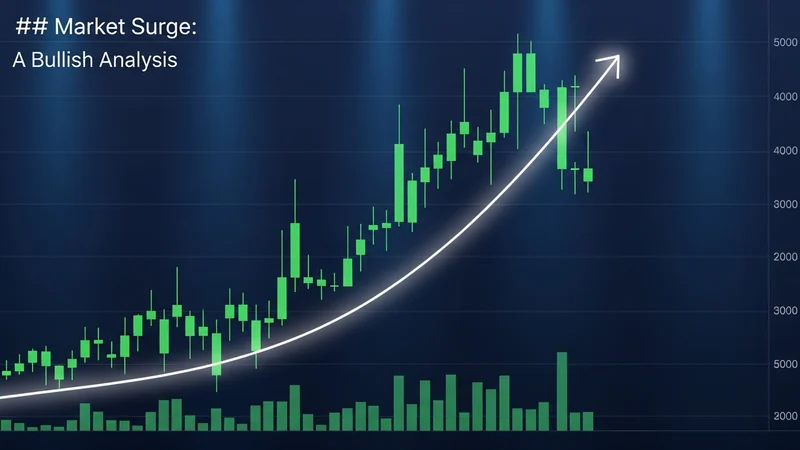
- Rising price plus rising OI: fresh money is entering on the long side, which often confirms an uptrend.
- Rising price plus falling OI: the move may be driven by short covering rather than new demand, so it can be less durable.
- Falling price plus rising OI: new short positions are stacking up, which can confirm a downtrend.
- Rising volume with flat OI: heavy churn without new commitment, which can hint at indecision or a coming reversal.
Volume also flags conviction in the very short term. A breakout on strong volume tends to be more reliable than one on thin volume. Open interest, by contrast, tells you how much standing exposure could fuel a squeeze or a cascade of liquidations if price moves sharply against the crowd.
Common Signals and Pitfalls
Used carefully, these metrics sharpen your read of the market. Used carelessly, they mislead. Keep these pitfalls in mind:
- Do not treat a single spike as a signal. Look at the trend in OI and volume over time.
- Remember that high volume can come purely from traders rotating in and out, not from new conviction.
- Aggregate OI across many exchanges can hide what is happening on one venue, so check the source.
- Extreme open interest paired with stretched funding can set up violent liquidation moves.
Spot Volume vs Derivatives Open Interest
One distinction trips up many newcomers: open interest only exists for derivatives like futures and options, because there are contracts to remain open. Spot markets, where you buy and hold the underlying asset, have volume but no open interest. So you typically compare spot volume on one side with derivatives open interest on the other.
This matters when you research smaller tokens that trade mainly on decentralized exchanges, where activity is spot based. There, trading volume and pool liquidity are your primary on-chain health checks. You can use DEXTools to track spot trading volume, liquidity, and recent transactions for a token across DEXs, which helps you judge whether real activity supports a price move. Pairing that DEXTools view of spot flow with derivatives data gives a fuller picture of both the underlying and the leverage built on top of it.
Tools to Check Open Interest and Volume
Several platforms surface these numbers so you do not have to calculate them by hand:
- Coinglass: aggregates derivatives data, including open interest, volume, funding rates, and liquidation heatmaps across major exchanges.
- Exchange interfaces: most large venues display OI and volume directly on their futures and options screens.
- DEXTools: for spot trading volume and liquidity on decentralized exchanges, where you are tracking on-chain token activity rather than contract open interest.
Always confirm which market a number refers to. Aggregate derivatives OI and a single token spot volume are different signals, and reading one as the other will skew your analysis.
Open interest and volume answer two separate questions: how much trading is happening now, and how much exposure is standing in the market. Read together with price, they help you gauge whether a trend has real conviction or is running on fumes. Treat them as confirmation tools, verify the data source, and keep in mind that this is educational information, not financial advice.
The Unseen Battleground: Open Interest as a Liquidity Signal
While volume shouts about immediate transactional activity, Open Interest (OI) whispers about the underlying capital commitments that define a market's true depth and potential for sustained movement. It represents the total number of outstanding derivative contracts that have not yet been closed or settled. Think of it as the sum of all "active bets" on a particular asset's future price. A high OI indicates substantial capital locked into a market, suggesting greater liquidity and the participation of larger players, which can have profound implications for price action.
A rising OI alongside a price trend, whether up or down, generally confirms the strength and conviction behind that move. It shows that new money is entering the market to support the current direction. Conversely, a divergence where price moves but OI remains flat or declines can signal that the trend lacks genuine conviction, potentially indicating a move driven by short-term speculation rather than fundamental shifts in market sentiment or large-scale position building.
Decoding OI's Liquidity Implications
- High OI suggests robust market depth, making it harder for single large orders to drastically move the price. This implies greater stability.
- Rapid OI increases during consolidation phases can precede significant breakouts, as capital accumulates for a directional move.
- A sharp drop in OI often signals a capitulation event or a significant unwind of positions, frequently accompanying trend reversals or exhaustion.
- Markets with consistently high OI tend to have tighter bid-ask spreads and less slippage, benefiting traders executing larger orders.
- Analyze OI across different expiry dates to gauge where the majority of speculative capital is positioned, informing your risk management.
Related Guides
- What Is Open Interest in Crypto? Full Guide
- Coinglass Tutorial 2026: Liquidations & OI Master Guide
- Wash Trading in Crypto: Red Flags Explained
- What Is Trading Volume in Crypto? How to Read It (2026)
- DEX Net Inflows vs. Trading Volume: Capital Rotation?
Frequently Asked Questions
What is the difference between open interest and volume?
Volume is the number of contracts traded over a period, while open interest is the total number of contracts currently open and not yet closed. Volume resets each period, but open interest carries over as positions stay open.
What does rising open interest indicate?
Rising open interest means new positions are being opened, which can signal fresh money entering the market. Combined with price direction, it can suggest a trend is gaining participation.
What does high volume tell traders?
High volume shows strong trading activity and interest during a period and can confirm the strength of a price move. Low volume moves are often viewed as less reliable.
How do traders read open interest and volume together?
Traders combine the two to judge trend strength, for example rising price with rising open interest and volume can suggest a strong trend. Diverging signals can warn that a move lacks conviction.