How to Use Wormhole Bridge: Tutorial Guide 2026
— By Tony Rabbit in Tutorials
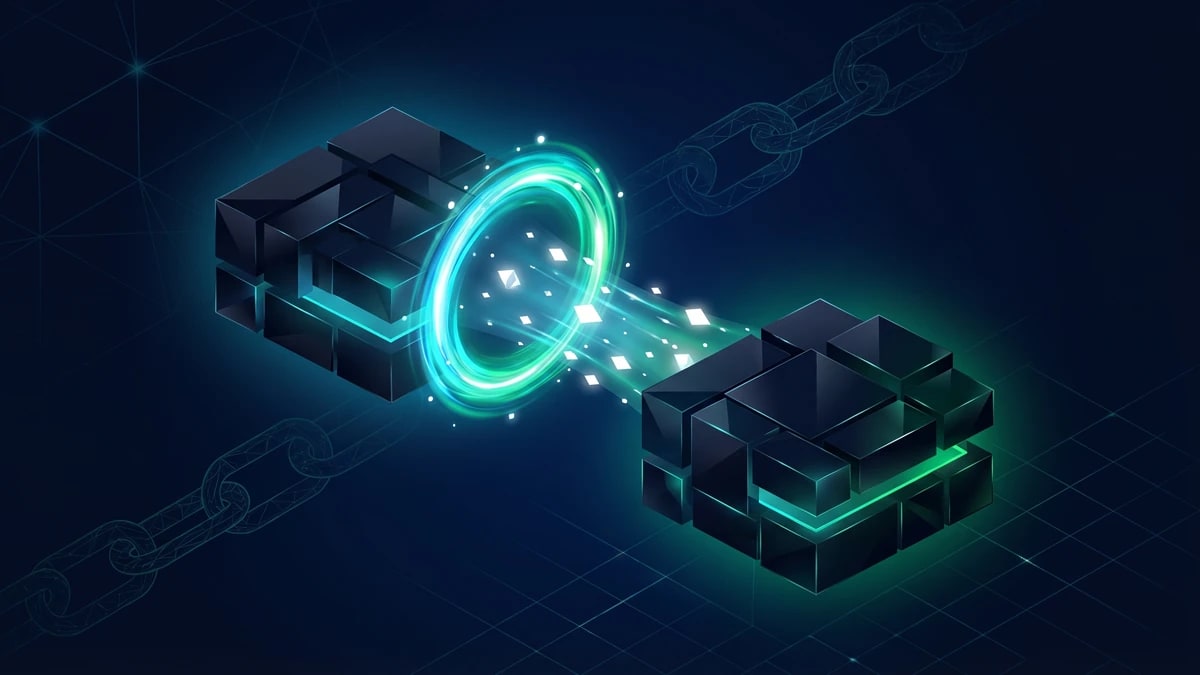
Use Wormhole Bridge in 2026: learn to choose source and destination chains, handle approvals and claim steps, and troubleshoot stuck transfers.
Wormhole Bridge is one of the most searched cross-chain workflows because it sits right at the point where users stop asking what bridging is in theory and start asking how to actually move assets without messing up the route. That second part matters more than people think. The hard part is not clicking the button. The hard part is choosing the correct source chain, destination chain, token representation, and post-bridge claim flow before the transfer is already in motion.
Intent check: This page is the Wormhole-specific workflow. If you need the chain-agnostic bridging concept first, read How to Bridge Crypto Between Chains
The good news is that Wormhole gives users a cleaner process than a lot of older bridge flows, especially once you understand that a bridge is really a two-sided operation. You are not only sending from one wallet. You are also preparing for how the asset will be claimed or received on the other side. This guide is built around that practical reality.
Quick answer
- Choose the source chain, destination chain, and token as one route, not three separate clicks.
- Keep gas available on both sides, especially if the destination chain needs a claim or final confirmation.
- Track the bridge until the asset is actually claimable or visible on the destination side before you consider the transfer finished.
What Wormhole Bridge Is Best Used For
Wormhole is most useful when you already know the chain you are leaving, the chain you want to reach, and the asset behavior you expect on the other side. That sounds obvious, but it is the core difference between a safe bridge and a stressful one. Users get into trouble when they approach bridging like a normal wallet send instead of a multi-step token transfer that may involve verification and claiming.
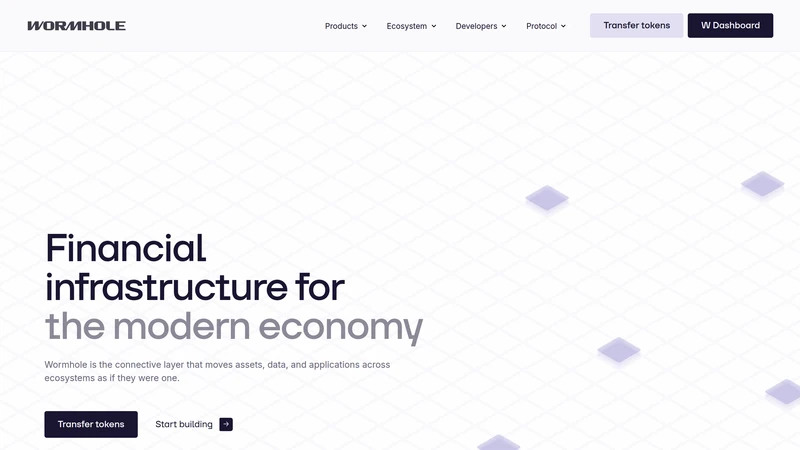
The PancakeSwap Wormhole guide is useful here because it shows the bridge in plain operational terms: connect the source wallet, select the source chain and asset, repeat the process for the destination side, approve the transfer, then wait through the verification stages before claiming. That sequencing is what users need to internalize before moving size.
When Wormhole is a strong fit
What to Prepare Before You Bridge
Before you touch the bridge UI, make sure your source wallet is funded, your destination wallet is ready, and you understand what token you expect to receive. The Wormhole docs also point out an important practical option: you can use a destination wallet connection or send to a wallet address directly. That flexibility is useful, but it also means you must be intentional about the recipient details before the transfer starts.
The four decisions that matter most before bridging
How to Use Wormhole Bridge Step by Step
Start by connecting the source wallet and selecting the source chain and token you want to move. Then define the destination side just as carefully. If the bridge shows a route preview, do not skim it. This is the moment to verify that the asset amount, chain pairing, and final representation make sense before you approve anything on the source side.
Once the transaction is sent, treat the bridge status page as part of the product, not as optional decoration. The guide on PancakeSwap's Wormhole page explains that there are three stages in the process and that those stages can take time while the protocol waits for confirmations and generates proof. That means a user who closes the flow too early can create their own anxiety by walking away before the bridge is truly done.
A safer Wormhole workflow
Fees, Timing, and Claim Expectations
Users often ask whether Wormhole is cheap or fast as if those were fixed properties of the bridge. In practice, both depend on the route. You usually need to think about source-chain gas, possible destination-chain gas, and the operational cost of waiting through the verification or claim process. That does not make Wormhole a bad option. It just means the real cost is the full route cost, not the first fee you notice on the send side.
Timing works the same way. Some routes feel quick because the source transaction confirms fast, but the transfer is not truly done until the destination side is claimable and visible where you need it. That is why experienced users do not ask only how fast the bridge is. They ask how long until the asset is actually usable on the destination chain.
What to expect on a normal Wormhole route
When to Use Wormhole Instead of a Direct Withdrawal
Wormhole often makes more sense when you already hold funds on-chain and want explicit control over how they move between ecosystems. It can also make sense when your destination needs a specific chain exposure that a centralized exchange withdrawal does not handle the way you want. In those cases, the bridge is not just a workaround. It is the actual tool for the job.
But it is still worth saying out loud that a direct exchange withdrawal can sometimes be simpler if your exchange already supports the exact destination chain and asset you need. Good users compare the full path, not just the brand name of the tool. The question is not "is Wormhole better?" It is "which route gives me the cleanest correct result with the least friction?"
Common Wormhole Mistakes to Avoid
Most user errors are not exotic smart-contract failures. They are ordinary workflow mistakes. People forget destination gas, assume the first route preview must be the best one, or fail to notice that a transfer still needs a claim step after the source side is confirmed.
Mistakes that cause stress later
What to Do If a Wormhole Transfer Gets Stuck
Start with the route facts. Was the source transaction confirmed? Did the status page advance? Does the destination wallet have the right chain selected? If the transfer was initiated through another app or contract, the Wormhole FAQ notes that redemption rights may be restricted by a destination caller field, which means Portal itself might not be able to finish the transfer for you.
That is why the safest troubleshooting order is simple: confirm the source transaction, confirm the route, confirm destination chain visibility, then check whether the original app retains the right to complete the redemption. In other words, do structured checks before assuming the bridge failed.
Frequently Asked Questions
How long does a Wormhole Bridge transfer take?
It depends on the route, the source chain confirmation requirements, and whether the destination side needs a separate claim step. Fast source confirmation does not always mean the full bridge is finished.
Do I always need to claim bridged assets?
Not every route feels the same to the user, but you should always expect verification and a possible claim stage unless the flow clearly completes it for you.
Can I send to a wallet address instead of connecting the destination wallet?
Yes. The Wormhole Portal FAQ notes that you can enter a wallet address directly, but that makes address accuracy even more important.
Why is my transfer stuck and not redeemable in Portal?
If the transfer was initiated through a third-party app or smart contract, only that original app may be authorized to complete the redemption.
What is the safest way to use Wormhole for the first time?
Use a small test amount, keep gas on both sides, watch the bridge status page, and verify the destination asset before using size.
Do I need gas on the destination chain when using Wormhole?
In many practical cases, yes. Even if the bridge route itself is valid, destination-side usability can still depend on having enough gas to view, claim, or use the asset after it lands.
Should I use Wormhole or withdraw directly from an exchange?
If the exchange supports the exact chain and asset you need, direct withdrawal can be simpler. Wormhole is more compelling when you already hold funds on-chain or need deliberate control over a cross-chain route.
Related reading
Disclaimer: This article is for educational purposes only and not financial, legal, or tax advice. Bridge support, claim flows, and asset behavior can change. Always confirm the live route before transferring funds.
Related Guides
- OKX Web3 Wallet Tutorial 2026: Multi-Chain Setup Guide
- How to Use Base Chain in 2026: Wallet Setup, Bridge and First Transaction Guide
- Wormhole vs LayerZero: Cross-Chain Messaging Compared 2026
- Zapper Tutorial: Navigate DeFi Dashboards and Manage Multi-Chain Portfolios (2026)
- What Is KyberSwap (KNC)? Multi-Chain DEX Aggregator Guide 2026