The Open League (TOL): TON Ecosystem Program Guide
— By Tony Rabbit in Tutorials

The Open League (TOL) explained: how TON's seasonal incentive program handles leaderboards, points, rewards, and user participation across the ecosystem.
The Open League (TOL) is TON's seasonal ecosystem incentive program. It exists to channel funding and attention to projects that bring users, volume, and meaningful activity into the TON ecosystem. The program runs in seasons, each with its own categories, leaderboards, and reward pools. For builders, TOL is a real distribution channel. For users, it is a way to participate in incentivized activity without paying for it.
Quick answer: The Open League is a TON Foundation-affiliated incentive program that ranks ecosystem projects by activity (users, volume, retention, social signals) and rewards top performers in TON. Each season has categories like DeFi, Mini Apps, NFTs, and games. End users contribute to a project's standing by using its product. Both projects and users can benefit, with projects receiving treasury-level rewards and users sometimes earning targeted incentives layered on top.
- TOL is a seasonal program. Each season has its own categories and reward pool.
- Leaderboards rank projects. Activity, retention, and other metrics drive scoring.
- Rewards are paid in TON. Top projects receive funding from the program's pool.
- Users contribute by using projects. Their activity boosts the project's standing.
- Some seasons add user-level rewards. Specific tasks or milestones earn TON for participants.
What The Open League actually is
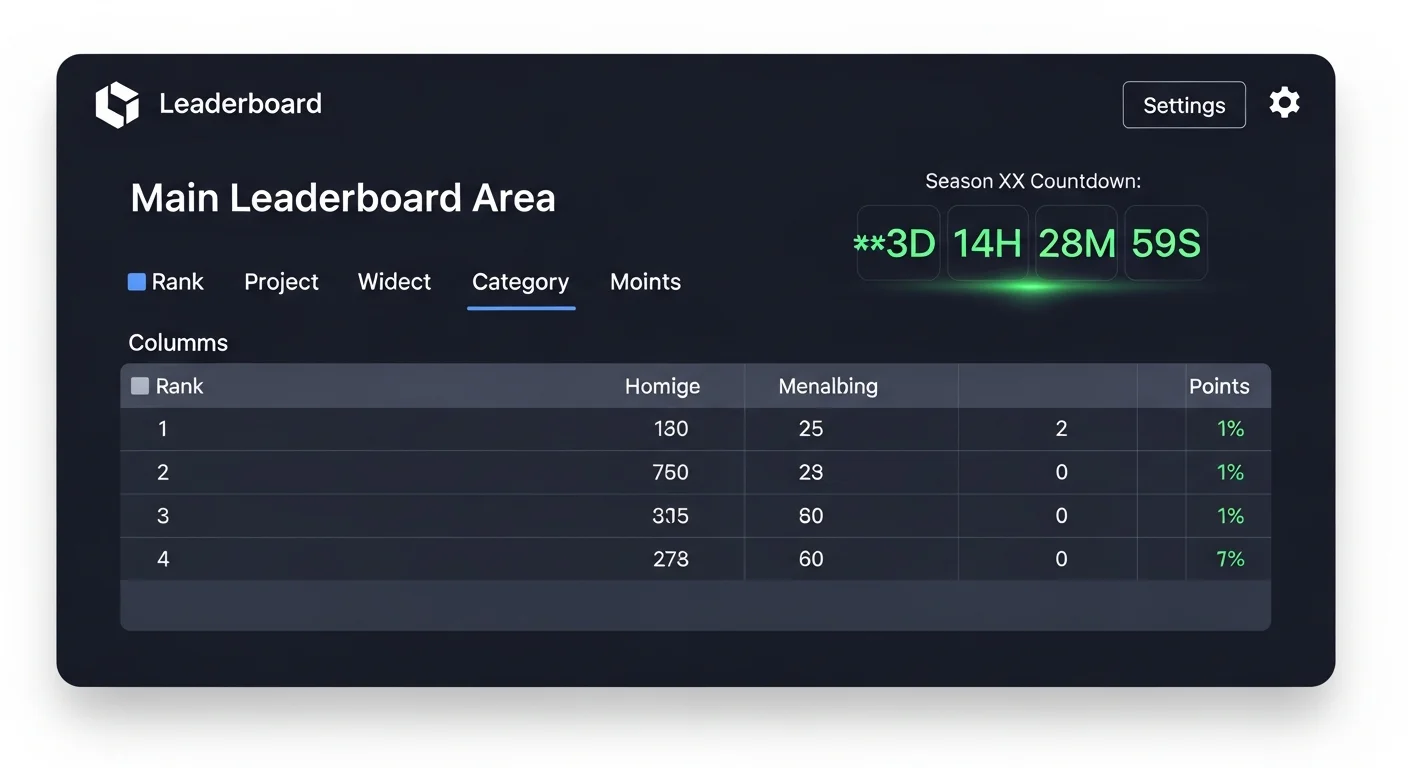
TOL was launched as a structured way to direct TON Foundation resources at the parts of the ecosystem that are growing fastest. Rather than allocating grants ad hoc, TOL uses public leaderboards and metrics to surface which projects are pulling weight, then rewards them transparently.
Trade TON with Not.Trade, the fastest terminal on TON
Not.Trade is purpose built for TON traders: real-time on-chain charts for every jetton, insider safety scoring (Top 10 wallets, snipers, dev movement, bundlers, LP lock), MCAP-trigger limit orders, multi-wallet sniping, MEV protection and one-click swaps routed across STON.fi and DeDust. It runs natively inside Telegram and as a fast web terminal, with TON Connect non-custodial wallet support.
Read the full Not.Trade guide →Seasons
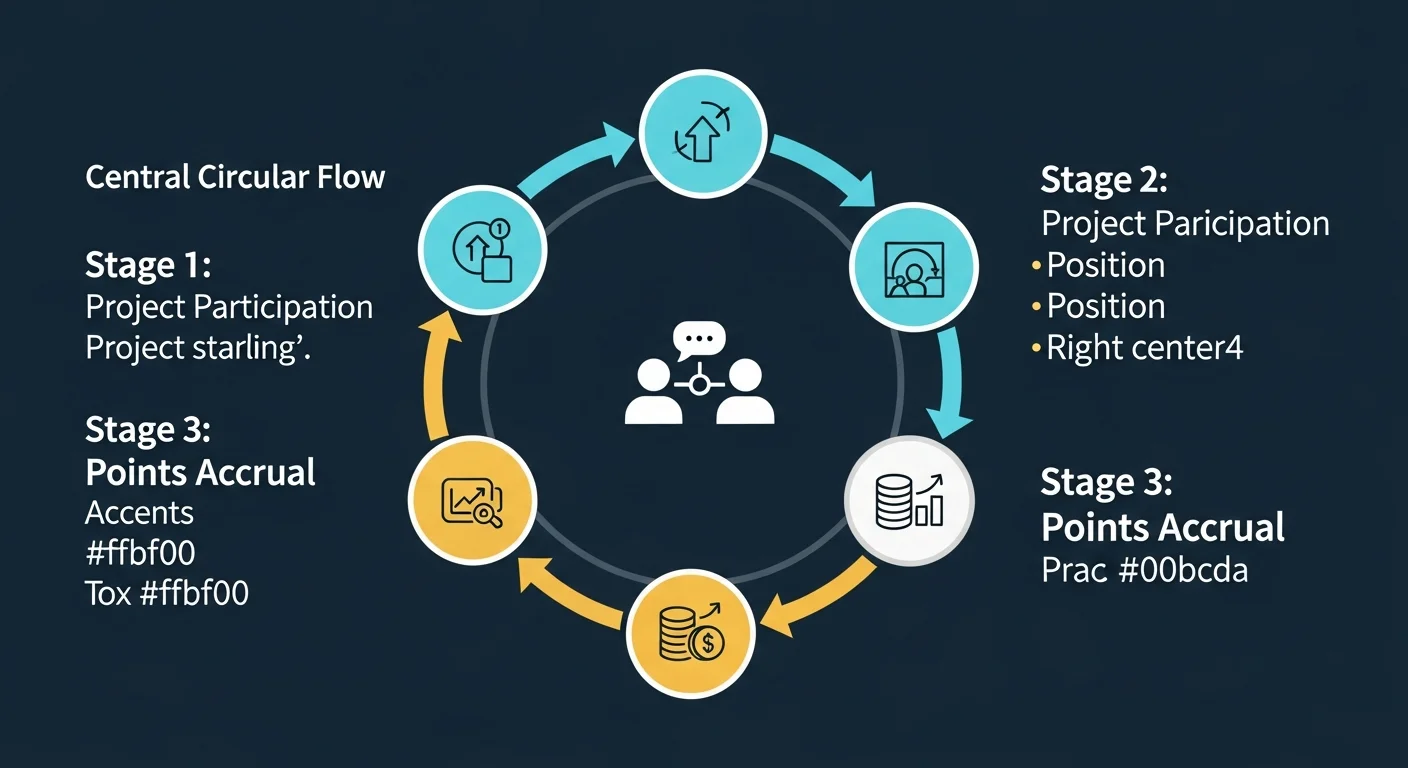
Each TOL season runs for a defined period (often a few months). The season has a published rule set: which categories exist, how points are calculated, and how rewards will be distributed. At the end of the season, rewards flow to top performers and the next season begins, sometimes with adjusted rules.
Categories
Categories typically include DeFi, Mini Apps, NFTs, gaming, and other ecosystem segments. Each category has its own scoring system because what counts as success in DeFi (TVL, volume) differs from what counts as success in gaming (active users, retention).
Metrics
Metrics blend on-chain activity (volume, transactions, holders) with off-chain signals (user retention, daily active users, growth). The exact mix varies per category and per season.
What TOL means for builders
For project teams, TOL is one of the largest distribution levers in the TON ecosystem.
Funding
Top performers across categories receive substantial TON-denominated rewards from the program's reward pool. For a small-to-medium project, this can fund several quarters of operations or development.
Visibility
Being on the leaderboard surfaces a project to the TON community and downstream integrators. The visibility itself often drives more users and more partnerships, compounding the program's effect.
Strategic prioritization
The metrics TOL emphasizes (retention, real users, volume) push teams to optimize for substance rather than vanity. Projects that game the metrics tend to drop out within a season or two.
What TOL means for users
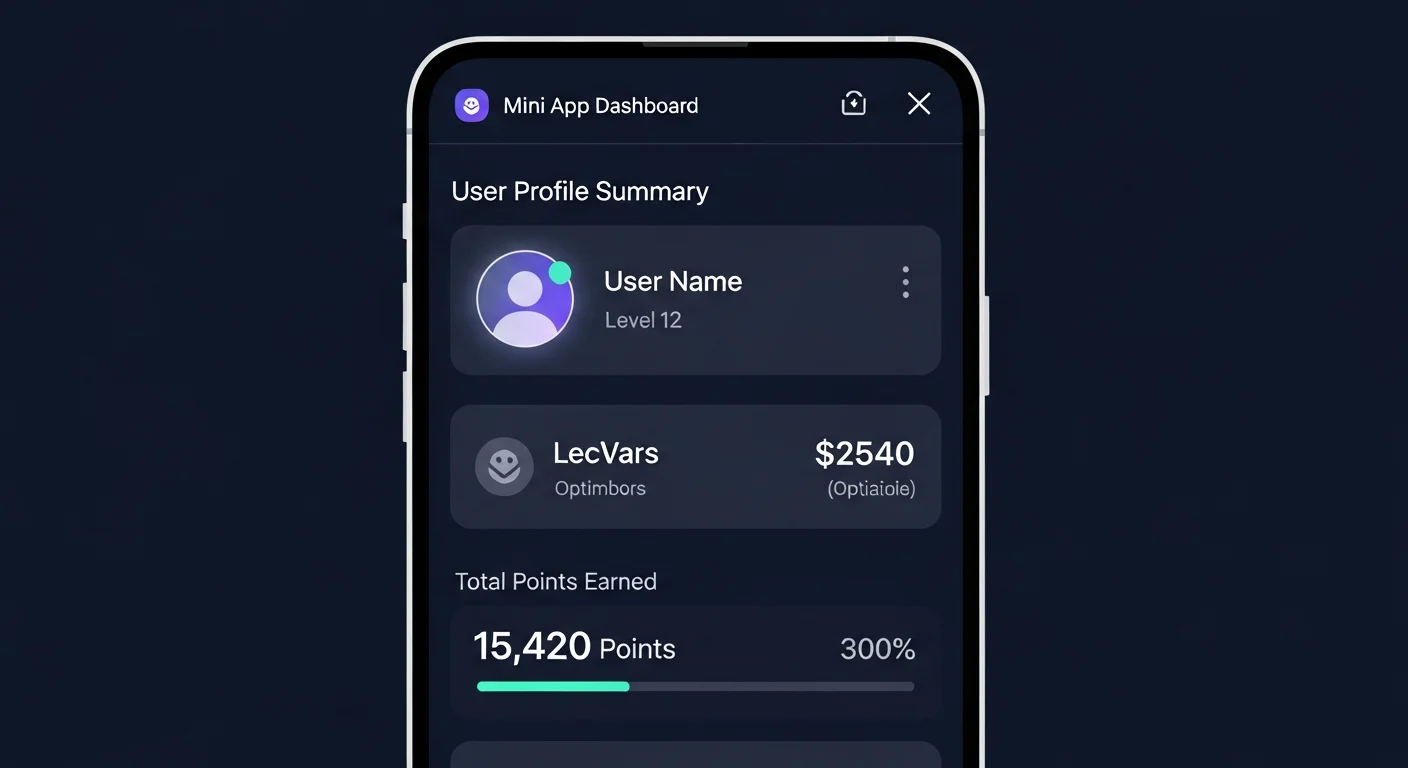
End users do not directly earn from project leaderboards in most seasons, but they affect the rankings and sometimes earn through layered programs.
Influence on rankings
By using a project, a user contributes to that project's standing. For users who care which projects get funded, this is a real form of participation.
User-side rewards
Some seasons add user-level rewards: complete specific tasks, hit milestones, or participate in featured Mini Apps to earn TON or partner tokens. These are often surfaced as "quests" inside the official Open League site or partner Mini Apps.
Risks
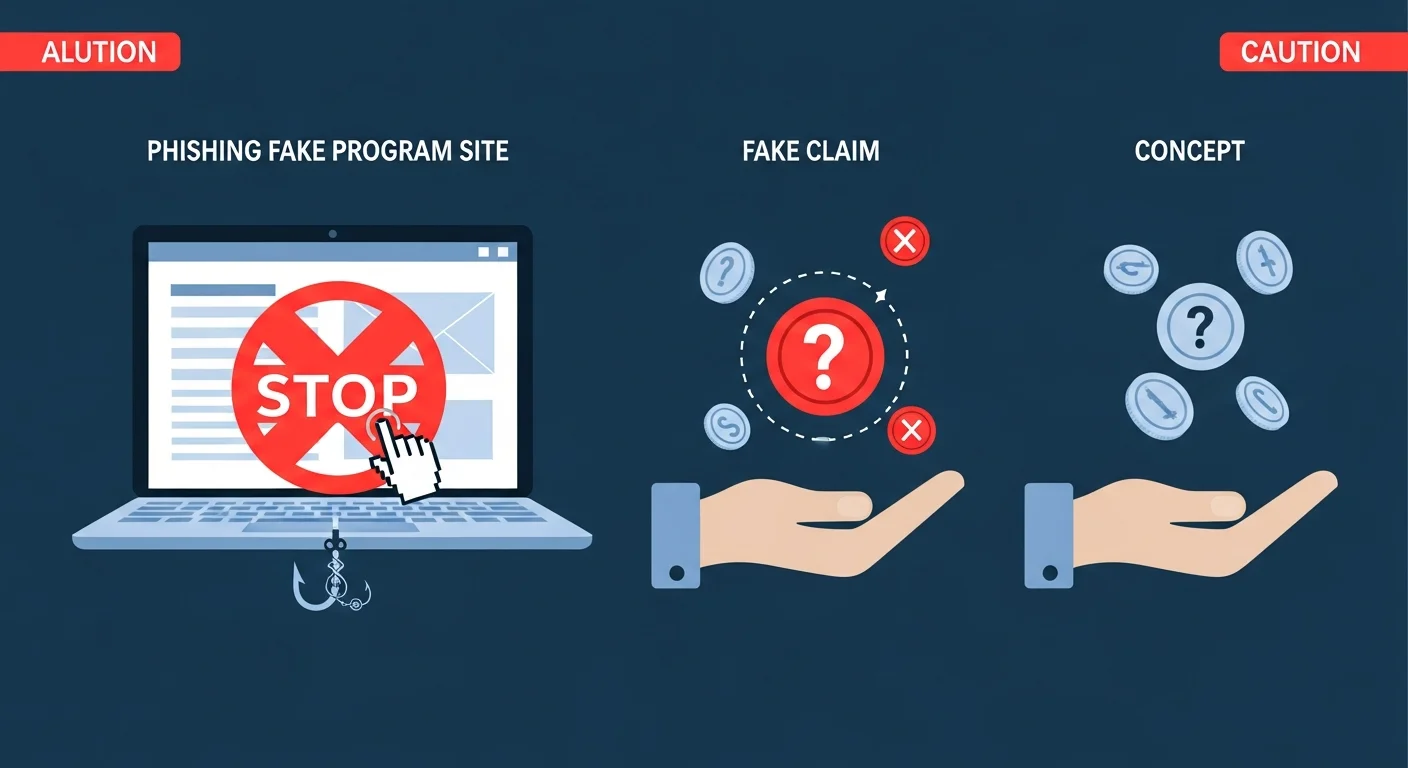
The promise of user-level rewards attracts scammers. Always verify the official program URL and any participating Mini App from a trusted source. Phishing copies of the leaderboard and reward sites are common around season transitions.
Risks and scam patterns
- Phishing program sites: verify the URL via the TON Foundation's verified channels.
- Fake claim portals: if a "claim TOL rewards" page appears outside the official program, it is almost certainly a scam.
- Imitator projects: some projects market themselves as part of TOL when they are not.
- Wash-traded leaderboard climbers: projects sometimes pump metrics; the program penalizes this when caught.
- Wallet-connect drainers disguised as quests: any quest that asks for unusual permissions is suspect.
Who benefits from TOL
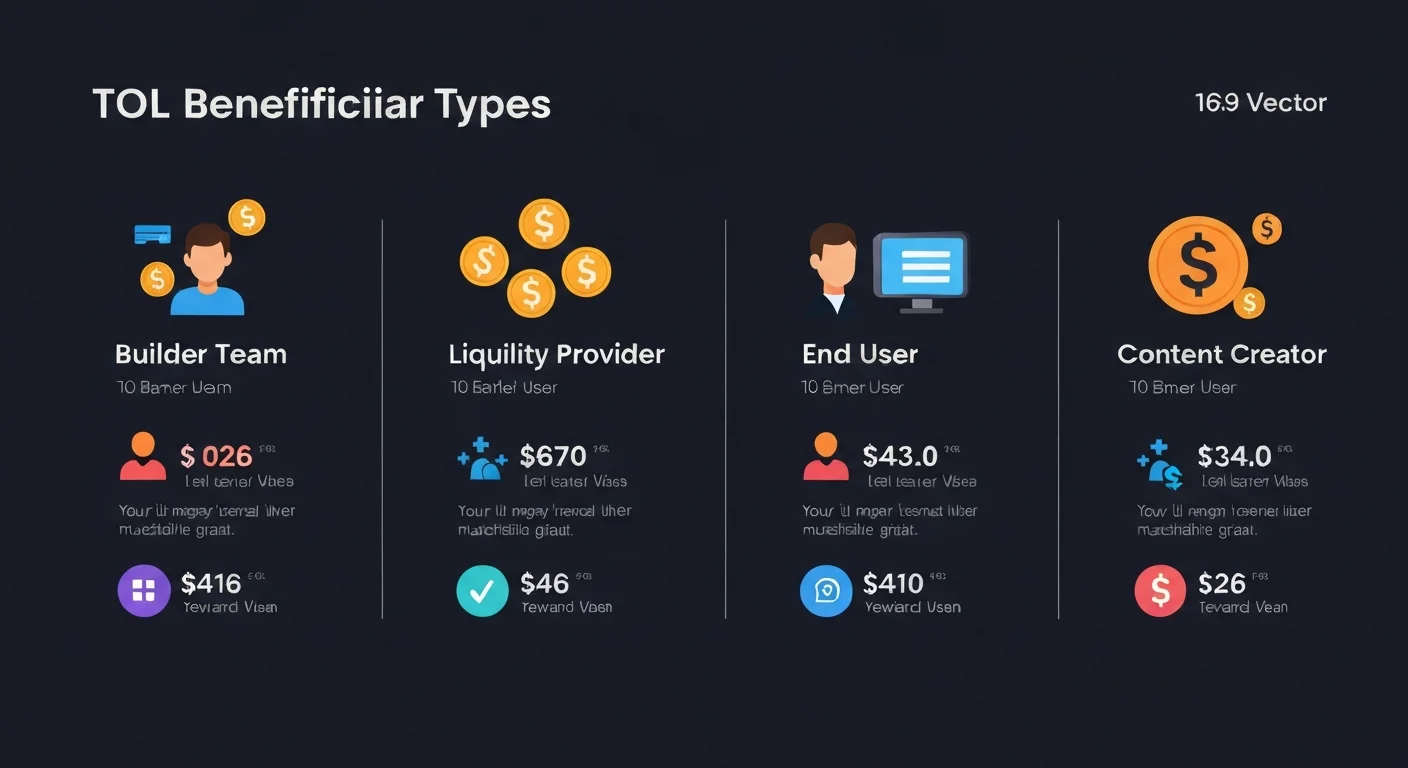
| Beneficiary | How they benefit | What is required |
|---|---|---|
| Builder team | Treasury-level rewards in TON | Real users, real metrics |
| End user | Quest-based rewards in some seasons | Verified participation |
| Liquidity provider | Higher pool incentives in featured DEXs | Provide liquidity to qualifying pools |
| Creator | Visibility through program features | Build something users love |
Practical workflow for TOL participation
- Verify the program URL from the TON Foundation's verified channels.
- Read the season's rules before changing your activity to chase rewards.
- Use only verified participating Mini Apps. Never connect a wallet to a quest from a random link.
- Track quests through the official dashboard. Avoid third-party "tracker" sites.
- Audit your wallet approvals after each season. Stale permissions are an attack surface.
Frequently asked questions
What is The Open League?
A seasonal incentive program by the TON Foundation that ranks ecosystem projects by activity and rewards top performers in TON.
Do users earn TOL rewards directly?
Some seasons include user-level quests with TON rewards; others reward only projects directly. Check the season's rules.
How are projects chosen?
Through public metrics specific to each category, including activity, volume, retention, and other signals.
Can projects game the leaderboard?
Attempts happen and are sometimes flagged. The program's metrics evolve to discourage low-quality activity over time.
Is TOL part of TON Foundation grants?
It is one of several mechanisms the Foundation uses to direct ecosystem resources, alongside grants, hackathons, and partnerships.
Final takeaway: The Open League is one of the cleanest "real activity" filters in TON's ecosystem. For builders, the funding is real. For users, the season-by-season quests are an opportunity, but only when sourced from the verified program. Treat every reward claim with the same security hygiene as any wallet interaction.
Disclaimer: This guide is for educational purposes only and does not constitute investment, financial, legal, or trading advice. Program rules and reward pools can change between seasons.
Related Guides
- Crypto Bug Bounty Program: How to Launch One Properly
- What Is Sentient AI (SENT)? Open Source AGI on The GRID Guide 2026
- What Is Open Interest in Crypto? Complete Beginner Guide (2026)
- What Is Blockscout: Open-Source Multichain Explorer and Contract Search (2026)
- Open Interest vs Volume in Crypto Trading (2026)
Frequently Asked Questions
What is The Open League (TOL)?
The Open League, often shortened to TOL, is a seasonal incentive program within the TON ecosystem designed to reward user and project activity. It typically uses leaderboards and points to track participation across applications.
How does The Open League work?
It generally runs in seasons where participants earn points for qualifying activity, and those points feed into leaderboards that can determine rewards. The exact rules, eligible actions, and reward structures can change from one season to the next.
How do I participate in The Open League?
Participation usually involves using eligible TON ecosystem apps and completing the activities that the current season counts toward points. Because details vary by season, it is best to follow official program announcements for current requirements.
Why does The Open League matter for the TON ecosystem?
Incentive programs like this aim to encourage real usage, attract new users, and reward active projects and participants. They are part of how an ecosystem tries to grow engagement and activity over time.