Best Slippage Settings for Memecoins in 2026
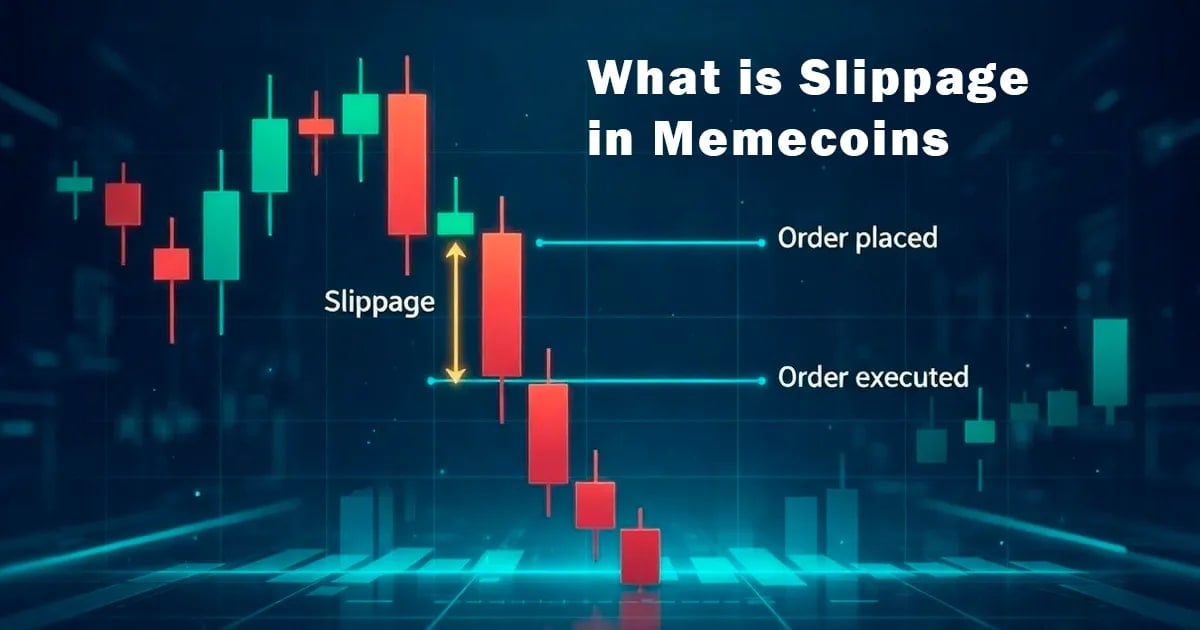
Learn what slippage settings make sense for memecoins, how token taxes affect execution, and how to avoid failed buys, sandwich attacks, and bad fills.
Best Slippage Settings for Memecoins in 2026
Memecoin traders usually do not need another generic definition of slippage. They need to know what settings actually make sense when buying a fast-moving token on a DEX, and how to avoid failed swaps, hidden token taxes, and bad fills.
Trading memecoins on TON? Not.Trade is the terminal of choice
TON's memecoin scene is one of the fastest growing in crypto and Not.Trade is the fastest terminal on TON for catching launches early. Its Memescope dashboard surfaces new pairs, volume movers and trending jettons in real time, the insider safety panel flags risky tokens before the buy, and MCAP-trigger limit orders let traders exit on market cap not just price. Multi-wallet sniping and MEV protection ship by default.
Explore Not.Trade in depth →The rule of thumb is simple: use the lowest slippage tolerance that still lets the trade execute. For liquid meme pairs that may be under 1% to 2%. For thin pools, fresh launches, or taxed tokens, it can be much higher, but blindly setting 10% to 15% creates extra execution risk.
If you need the general definition, read What Is Slippage in Crypto?. If you need step-by-step platform instructions, read How to Set Slippage Tolerance on Any DEX. This page is specifically about memecoin settings and execution.
Why Memecoin Trades Need Different Slippage Settings
Understanding Positive and Negative Slippage
Slippage comes in two forms:
- Negative slippage: The actual execution price is higher than expected, meaning you get fewer tokens or lose more than anticipated.
- Positive slippage: The actual execution price is better than expected, leading to slightly higher gains or better results.
Most traders, especially in the memecoin space, frequently encounter negative slippage because of the market structure of DEXs.
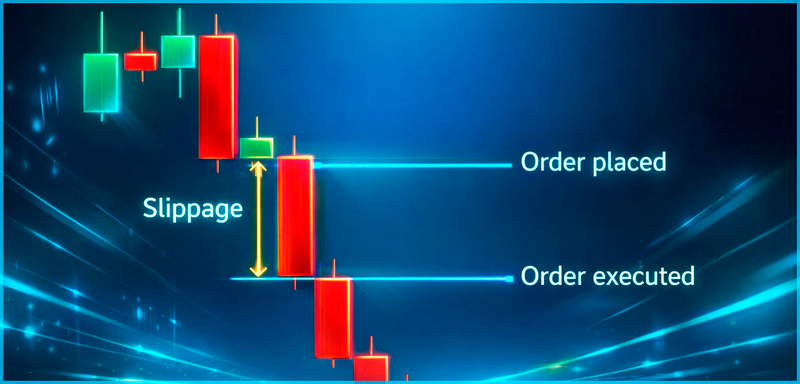
Memecoin Slippage Example
Imagine swapping 1 ETH for a new memecoin:
- Expected output: 10,000 tokens
- Actual output: 9,200 tokens
This represents an 8% negative slippage. In fast-moving, low-cap markets, slippage of this magnitude can happen within minutes.
Why Memecoins Are Highly Susceptible to Slippage
Several characteristics make memecoins particularly affected by slippage:
1. Low Liquidity
Most new or less-established memecoins operate with relatively shallow liquidity pools. This means even small trades can significantly impact the price, making the market more susceptible to slippage.
2. High Volatility
Fast price swings are typical in memecoins. Changes between the time you place a trade and its execution often result in slippage.
3. Automated Market Maker Dynamics
DEXs use automated market maker (AMM) systems to adjust prices based on supply and demand within liquidity pools. Large trades relative to pool size can trigger significant price adjustments, increasing slippage risk.
4. Token Taxes
Some memecoins impose taxes or fees on transactions, requiring traders to set higher slippage tolerances to avoid failed trades.
Recommended Slippage Settings for Memecoins
Most trading platforms let you set a slippage tolerance, which is the maximum execution difference you will accept before the trade fails. In memecoins, the right setting depends on liquidity, volatility, and whether the token includes transaction taxes.
- Deep liquidity / established meme pairs: often 0.5% to 2%
- Active mid-liquidity memecoins: often 2% to 5%
- Fresh launches or very thin pools: often 5% to 10%, but only if the pool and contract look clean
- Tax tokens: your slippage may need to cover both market movement and buy tax, but that does not mean you should automatically jump to extreme settings
Setting tolerance too low causes failed buys. Setting it too high increases the chance of bad execution and sandwich attacks. The best process is to check liquidity, inspect recent swaps, and increase tolerance gradually instead of guessing.
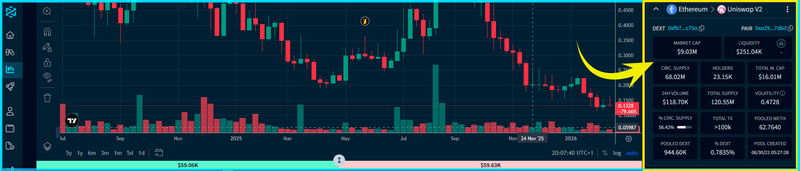
How DEXTools Helps You Analyze Slippage Risks
DEXTools is a leading analytics platform for decentralized trading, offering invaluable tools for traders to evaluate slippage risks. Its standout feature, the Pair Explorer, enables traders to assess real-time market conditions.
Key Features of DEXTools:
- Liquidity tracking: View pool sizes directly to identify high or low slippage risk.
- Live transaction feeds: Monitor recent buy and sell patterns for your target token.
- Volume analysis: Check 24-hour trading volume and sudden spikes that could impact prices.
- Whale activity: Analyze the impact of large transactions on token prices.
How to Avoid Failed Buys and Sandwich Attacks
Seasoned traders rely on these strategies to reduce slippage:
- Check pool liquidity: Always verify liquidity pool depth in the Pair Explorer before trading.
- Monitor real-time volume: Identify thin markets or sudden surges in activity.
- Scale your trades: Split larger transactions into smaller increments.
- Trade during high-volume periods: Execute trades when market activity is consistent, as this typically results in better pricing stability.
- Avoid excessively high tolerance settings: Avoid “guesswork” by assessing market conditions through tools like DEXTools instead of setting tolerance arbitrarily.
Practical Trading Scenarios
Scenario 1: Newly Launched Memecoin
A new token has limited liquidity and volatile price swings. DEXTools highlights:
- Liquidity: $15,000
- Volume: Increasing rapidly
- Trade pattern: High volatility with sharp price impact
Action plan: Enter the market cautiously or wait for improved liquidity to avoid excessive slippage.
Scenario 2: Popular Memecoin with Solid Liquidity
A widely traded memecoin with healthy market conditions:
- Liquidity: $2 million
- Transaction activity: Stable and consistent
- Price volatility: Minimal
Action plan: Standard slippage tolerance settings should suffice.
Scenario 3: Token with Transaction Taxes
Some tokens require higher slippage due to built-in transaction taxes:
- Expected slippage: Between 5%-10%
- Activity: High-volume trade patterns
Action plan: Review recent swap data on DEXTools and adjust tolerance as needed while avoiding overly high settings.
Conclusion: Use Context, Not Random High Slippage
Slippage is an unavoidable aspect of memecoin trading. However, advanced tools like DEXTools give traders the insights they need to anticipate and manage it effectively. By evaluating liquidity, monitoring trade patterns, and using features like the Pair Explorer, you can reduce costly surprises and improve your trading performance.
Key Takeaways
- The best slippage setting depends on liquidity, volatility, and token design.
- Low liquidity, launch volatility, and token taxes are the main reasons memecoin slippage jumps.
- Tools like DEXTools provide data crucial for managing slippage.
- The safest habit is increasing tolerance gradually after checking pool depth and recent swaps.
Ready to elevate your trading strategy? Explore DEXTools now at DEXTools.io.
Disclaimer: This article is for informational purposes only and does not constitute investment advice, financial advice, trading advice, or any other kind of advice. DEXTools does not recommend buying, selling, or holding any cryptocurrency or token. Users should conduct their own research and consult with a qualified financial advisor before making any investment decisions. Cryptocurrency investments are volatile and high-risk. DEXTools is not responsible for any losses incurred.
Video Tutorial

Related Guides
- Not.Trade Limit Orders: TON Memecoin MCAP Triggers Guide 2026
- How to Use Uniswap: Wallet Connect, Swap, Slippage and LP Basics (2026)
- How to Read Gas Settings in MetaMask: Complete Guide (2026)
- What is liquidity in crypto? A Memecoin Trading Guide
- Memecoin Trading Strategy: When to Take Profits
Frequently Asked Questions
What is slippage in memecoin trading?
Slippage is the difference between the price you expect and the price you actually get when your trade executes. In fast-moving, low-liquidity memecoins, slippage can be large because prices shift quickly between your order and its fill.
What slippage setting should I use for memecoins?
There is no universal number, but volatile or taxed tokens often require higher slippage tolerance to execute, while setting it too high exposes you to bad fills. The right level depends on the token's liquidity, volatility, and any transfer tax.
How do token taxes affect slippage?
Some tokens charge a buy or sell tax, and your slippage setting often needs to cover that tax for the trade to go through. If your tolerance is below the combined tax and price movement, the transaction may simply fail.
How does slippage relate to sandwich attacks?
Setting slippage too high can let bots front-run and back-run your trade, executing at a worse price and pocketing the difference in what is called a sandwich attack. Keeping tolerance only as high as necessary helps limit that risk.