What Is Privy: Embedded Wallets, User Onboarding and Key Infrastructure (2026)
— By Tony Rabbit in Tutorials

What is Privy? Learn how this wallet infrastructure platform helps apps onboard users, embed wallets and manage key infrastructure in 2026.
Intent check: If you want a standalone retail wallet tutorial or a basic connection standard, start with our Safe Wallet guide or our WalletConnect explainer. This page is specifically about embedded wallets, onboarding flows and wallet infrastructure inside an app experience.
Privy is best understood as the infrastructure layer product teams use when they want wallets to live inside the app experience instead of forcing users through a traditional crypto-only onboarding path. It combines authentication, embedded wallets and key-management architecture in one stack.
That branded search stays evergreen because consumer apps, games, fintech products and agent-driven experiences keep running into the same growth problem. Asking every new user to install an extension, save a seed phrase and understand gas on day one crushes conversion. Privy exists to lower that entry cost without pretending wallet security no longer matters.
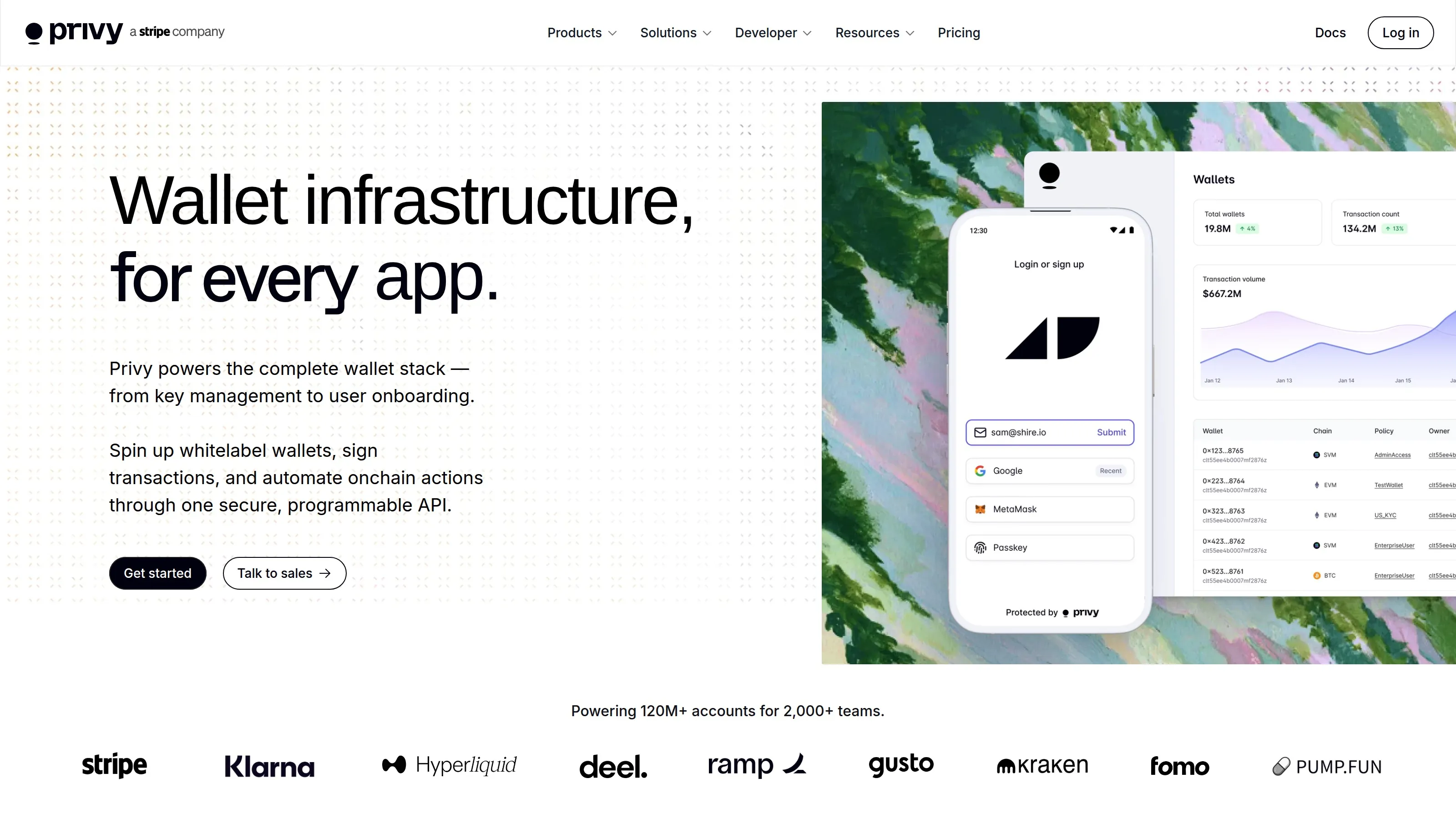
What Privy does in plain English
The cleanest mental model is that Privy helps developers turn onchain access into a native product flow. Users can sign up with familiar methods like email, SMS, social logins or passkeys, while the app provisions wallet capabilities behind a branded interface.
That matters because Web3 adoption often breaks at the first screen. Product teams need easier login flows, reliable wallet creation, sensible session controls and ways to handle transactions without making every newcomer learn crypto operations before they can use the app.
Why teams look at Privy
Teams look at Privy because onboarding is product strategy, not just authentication. A strong wallet-in-app flow can improve activation, keep users inside the branded experience and make onchain actions feel closer to a familiar app than a protocol demo. That makes Privy distinct from retail wallet tutorials or connection standards alone.
What makes Privy different from adjacent tools
Compared with Safe Wallet, Privy is not mainly a wallet product users manually operate as a destination. Compared with WalletConnect, it is not primarily a connection protocol. The branded intent is about putting wallet capability inside your application and smoothing the first-time user journey.
It also differs from institutional stacks such as Fireblocks. Privy leans toward app-facing onboarding, embedded accounts and end-user conversion, whereas institutional custody platforms are built more around treasury workflows, approvals and organizational controls.
Who it is for, and where it can feel like overkill
Privy is most useful for consumer apps, games, marketplaces, fintech products and AI-agent experiences that want easier user onboarding into onchain actions.
It can feel like overkill if you only need a personal wallet for yourself. The real fit appears when a team is designing a product journey for many users, not just managing one address manually.
Final take
Privy matters because Web3 growth is often constrained by onboarding friction, not by lack of blockchain features. Embedded wallets and familiar login paths give teams a practical way to reduce that friction.
FAQ
Related Guides
- What Is Privy: Embedded Wallets, Auth and User Onboarding (2026)
- What Is Turnkey: Key Management, Signing and Wallet Infrastructure (2026)
- Retention Cohorts vs Daily Active Wallets: Why Crypto User Quality Matters
- What Is Fireblocks: Digital Asset Custody, MPC Wallets and Treasury Infrastructure (2026)
- What Is Fireblocks: Digital Asset Custody, Treasury and Wallet Infrastructure (2026)
Frequently Asked Questions
What is an embedded wallet?
An embedded wallet is a crypto wallet created and managed inside an app rather than as a separate browser extension or mobile app. It lets users sign transactions without first installing external wallet software.
How does Privy help onboard non-crypto users?
Privy provides infrastructure so apps can let users sign in with familiar methods like email or social login, then provision a wallet behind the scenes. This lowers the friction of getting started for people new to crypto.
Who controls the keys in an embedded wallet?
Embedded wallet designs vary, with some using key-splitting techniques so that no single party holds the full key. You should always check a provider's documentation to understand the custody model and your recovery options.
What is wallet infrastructure used for?
Wallet infrastructure provides the building blocks developers use to create, secure, and manage wallets within their applications. It handles tasks like authentication, key management, and signing so teams do not have to build them from scratch.