What Is a Top Holder in Crypto? Supply Risk Explained
— By Tony Rabbit in Tutorials

Top holders in crypto explained: why holder concentration matters and how large wallets can signal supply risk, insider control or exit pressure.
Top results for what is a top holder in crypto center on concentration, supply risk, and whale control. This guide is aligned to that on-chain risk-analysis intent.
Many traders glance at holder count and think they understand distribution. Often they do not. A token can have thousands of holders and still be dangerously concentrated if the wrong wallets control too much supply. That is why the concept of the top holder matters.
A top holder in crypto is one of the largest wallets or entities holding a significant share of a token’s supply. The key question is not only how many holders a token has. The key question is who controls the biggest chunks.
This is where current search results are usually weak. They often show holder trackers or lists of coins with many holders, but traders really need a guide to concentration, wallet quality, and supply risk.
Quick take
- A top holder is one of the wallets controlling the largest share of a token’s supply.
- It matters because concentration can shape dump risk, governance power, and price behavior.
- The right analysis is not only “how big is the wallet?” but also what kind of wallet is it?
- Top-holder risk becomes much more serious when big wallets are linked, insider-controlled, or poorly locked.
What a top holder means in crypto
In practical terms, top holders are the addresses that dominate distribution tables. Some may be normal, such as treasury wallets, locked allocations, or liquidity-related positions. Others may signal risk, especially if the biggest wallets are fresh, linked, exempt, or clearly tied to insiders.
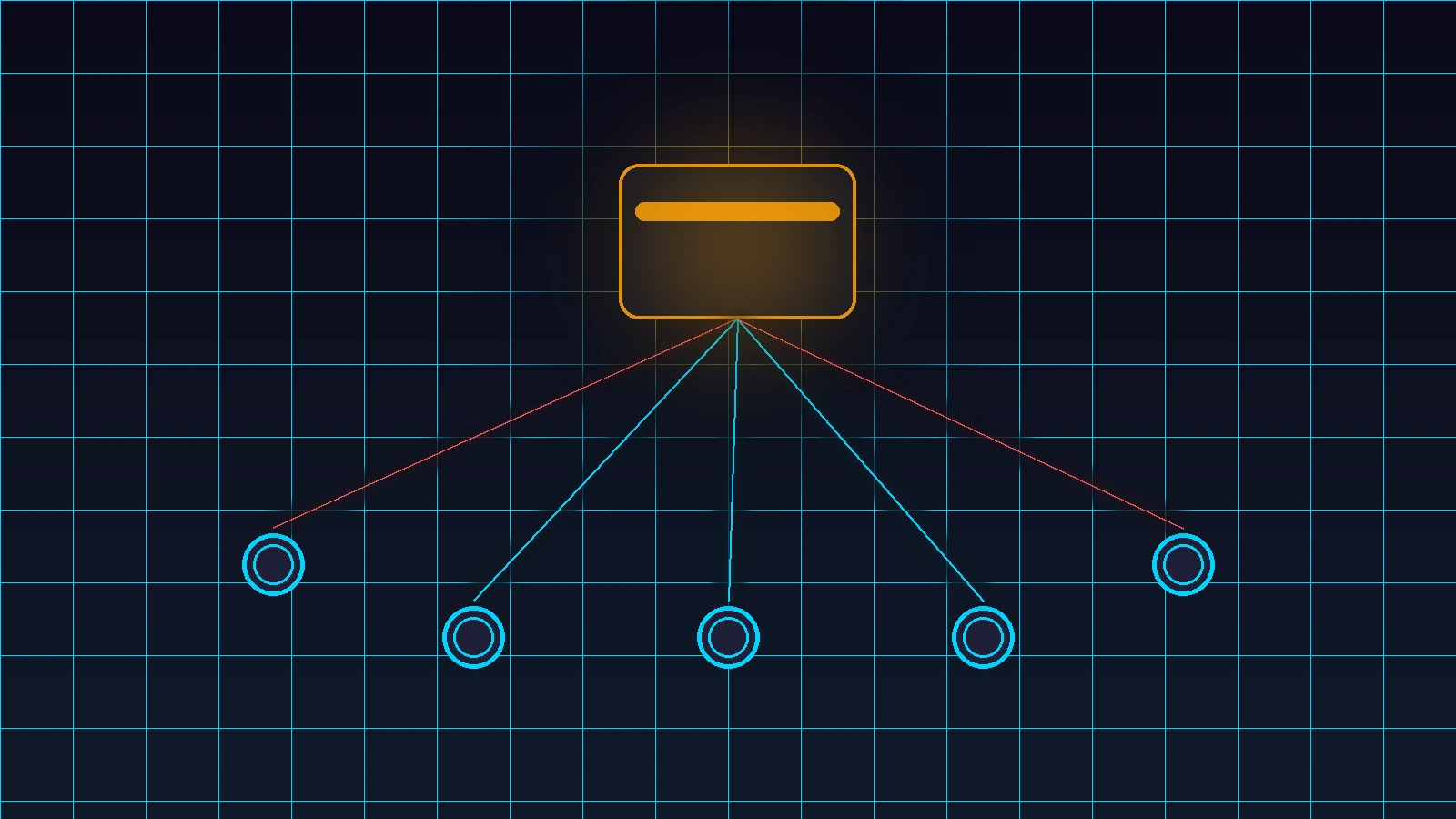
Top holders vs related holder metrics
Why top holders matter to traders
The reason is simple. Markets are shaped by who can move size. If one or a few wallets can hit the market hard, shape governance, or quietly coordinate exits, the token’s risk profile changes fast. A distribution table is not just trivia. It is market structure.
What top-holder analysis helps you judge
Top holder vs holder count
This distinction matters a lot because people love screenshots of rising holder counts. Holder count says something about reach. Top-holder analysis says something about power. A token with many holders can still be structurally weak if a few wallets hold the real leverage.
What top-holder analysis cannot prove alone
- ✘ It does not replace wallet-cluster analysis, because connected wallets can hide behind separate addresses.
- ✘ It does not replace insider-allocation analysis, because the biggest risk is often who those wallets belong to.
- ✘ It does not replace lock analysis, because a large wallet can matter less if its tokens are credibly restricted.
- ✘ It does not mean every large wallet is bad, only that every large wallet deserves context.
How to inspect top holders in practice
The clean workflow is to check who the biggest wallets are, what function they appear to serve, whether they link together, and whether their tokens are liquid, locked, or likely to move. Good holder analysis is about quality, not just ranking.
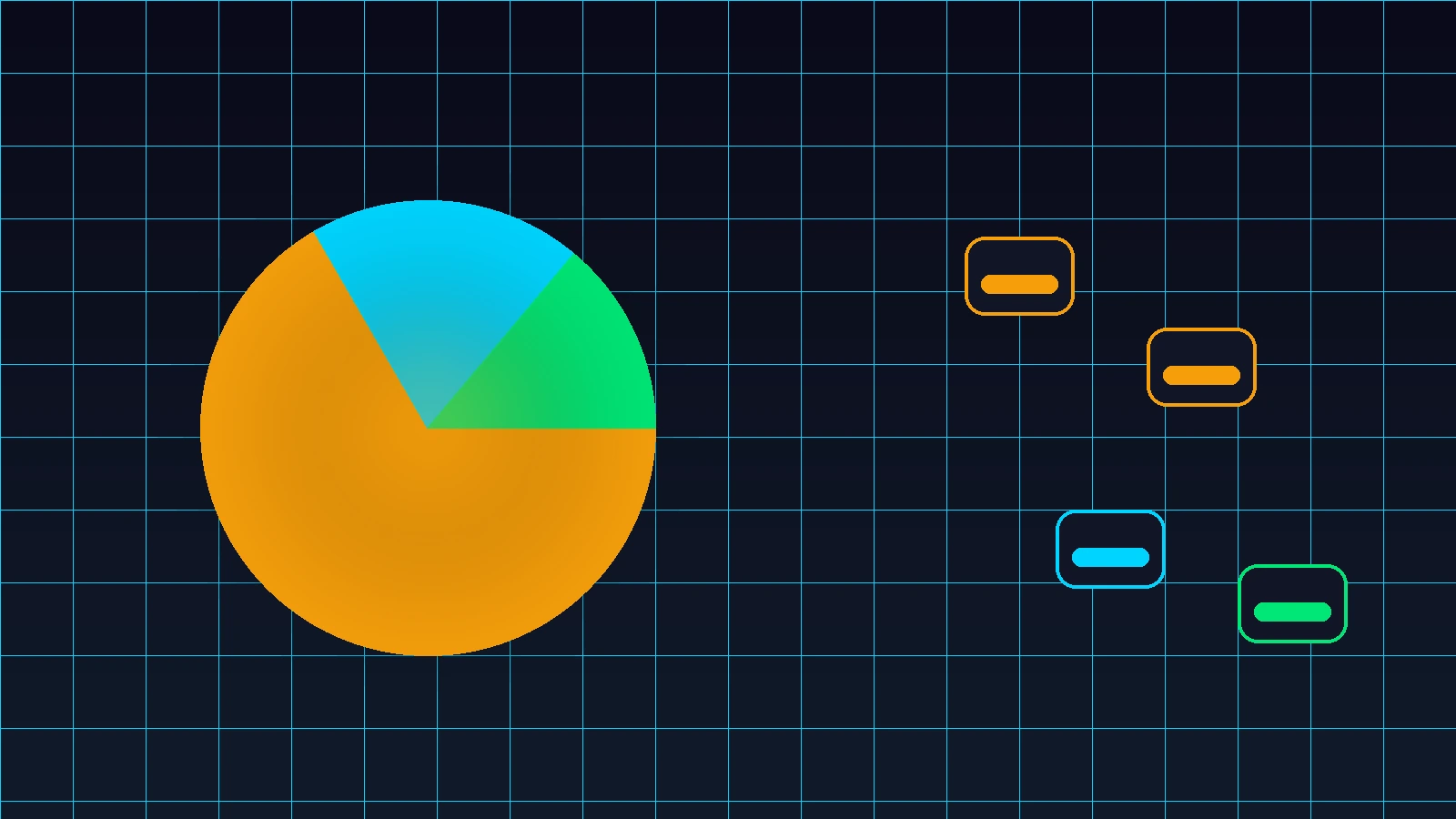
A practical top-holder workflow
- ✔ Check the largest wallets and ask what role each one serves.
- ✔ Separate treasury, LP, exchange, and vesting wallets from likely tradable insider wallets.
- ✔ Look for linked behavior or wallet clusters that make concentration look smaller than it is.
- ✔ Treat unexplained top-holder concentration as a serious due-diligence issue.
- ✔ Judge distribution by power and coordination risk, not just by total holder count.
Final takeaway
A top holder in crypto matters because distribution is not a cosmetic metric. It tells you who can move size, shape sentiment, and pressure the market when conditions change.
The practical rule is simple: do not stop at the number of holders. Look at who holds the biggest slices of supply and what those wallets are likely to do.
Related reads on DEXTools
FAQ
What is a top holder in crypto?
A top holder is one of the largest wallets or entities holding a significant share of a token’s supply.
Why do top holders matter?
They matter because concentration can shape price behavior, exit risk, governance influence, and how easily insiders can move the market.
Is one top holder always bad?
Not automatically. The meaning depends on who the holder is, why the allocation exists, and whether the position is locked, transparent, or linked to team control.
What should traders check first?
They should check concentration, wallet quality, links between major holders, and whether those wallets look like insiders, treasury wallets, liquidity positions, or real independent holders.
Disclaimer: This content is for informational purposes only and does not constitute financial advice. Crypto investments carry risks, including loss of capital.
Related Guides
- When Not to Trade: 12 Red Flags Every DeFi Trader Should Know
- How to Evaluate Yield Farms in Crypto: APY Quality, Risks and Red Flags (2026)
- Wash Trading Red Flags on Exchanges and DEXs (2026)
- What Is an Admin Wallet in Crypto? Red Flags
- How to Detect a Honeypot Token in 60 Seconds: Fast Crypto Safety Test (2026)
Frequently Asked Questions
What is a top holder in crypto?
A top holder is a wallet that owns a large share of a token's total supply, placing it among the biggest holders. Lists of top holders are commonly used to judge how concentrated a token's ownership is.
Why does holder concentration matter?
When a few wallets control much of the supply, they can heavily influence price by selling or moving large amounts. High concentration is often viewed as a risk because it increases the chance of sudden dumps.
How can I check the top holders of a token?
You can review holder distribution using blockchain explorers and analytics tools that list the largest wallets and their share of supply. Be aware that one entity can split holdings across several wallets to look less concentrated.
Are large wallets always a bad sign?
Not necessarily, since some big wallets are exchanges, liquidity pools, locked team allocations, or treasury addresses. The context of who holds the supply matters as much as the raw concentration figure.