Burner Wallet in Crypto Explained: Cut Drain Risk
— By Tony Rabbit in Tutorials
Burner wallet in crypto explained: learn when to use a disposable wallet and how it reduces signature, approval, and wallet-drain risk. Updated for 2026.
Top results for what is a burner wallet in crypto focus on temporary wallets used for risky dApps, approvals, and one-off interactions. This guide is tuned to that security-first intent.
Many crypto users think security starts only after a wallet is hacked. In practice, it starts much earlier, at the moment you decide which wallet should touch a risky app or signature request. That is where the burner wallet matters.
A burner wallet in crypto is a temporary low-value wallet used to interact with contracts, apps, mints, or links that you do not trust enough to touch with your main wallet. The goal is not perfect safety. The goal is limiting damage if something goes wrong.
This is exactly what many of the top search results miss. They define burner wallets correctly, but often stop too early. The useful question is not just what a burner wallet is. The useful question is when to use one, what to keep out of it, and what mistakes still ruin the protection.
Quick take
- A burner wallet is a risk-isolation wallet, not your main storage wallet.
- It matters because it reduces the damage from malicious approvals, fake mints, drain links, and unsafe signature requests.
- A burner wallet should stay low-value, separate, and disposable. Once heavily used, it loses part of its security purpose.
- The right setup combines a burner wallet with approval discipline, transaction simulation, and a strong main-wallet policy.
What a burner wallet means in crypto
In practical terms, a burner wallet is the wallet you are willing to expose to uncertain surfaces because it holds little or no meaningful capital. That can include new meme-coin launches, questionable mints, experimental dApps, Telegram bot flows, or links shared in fast-moving communities. If that wallet gets compromised, the damage is contained.
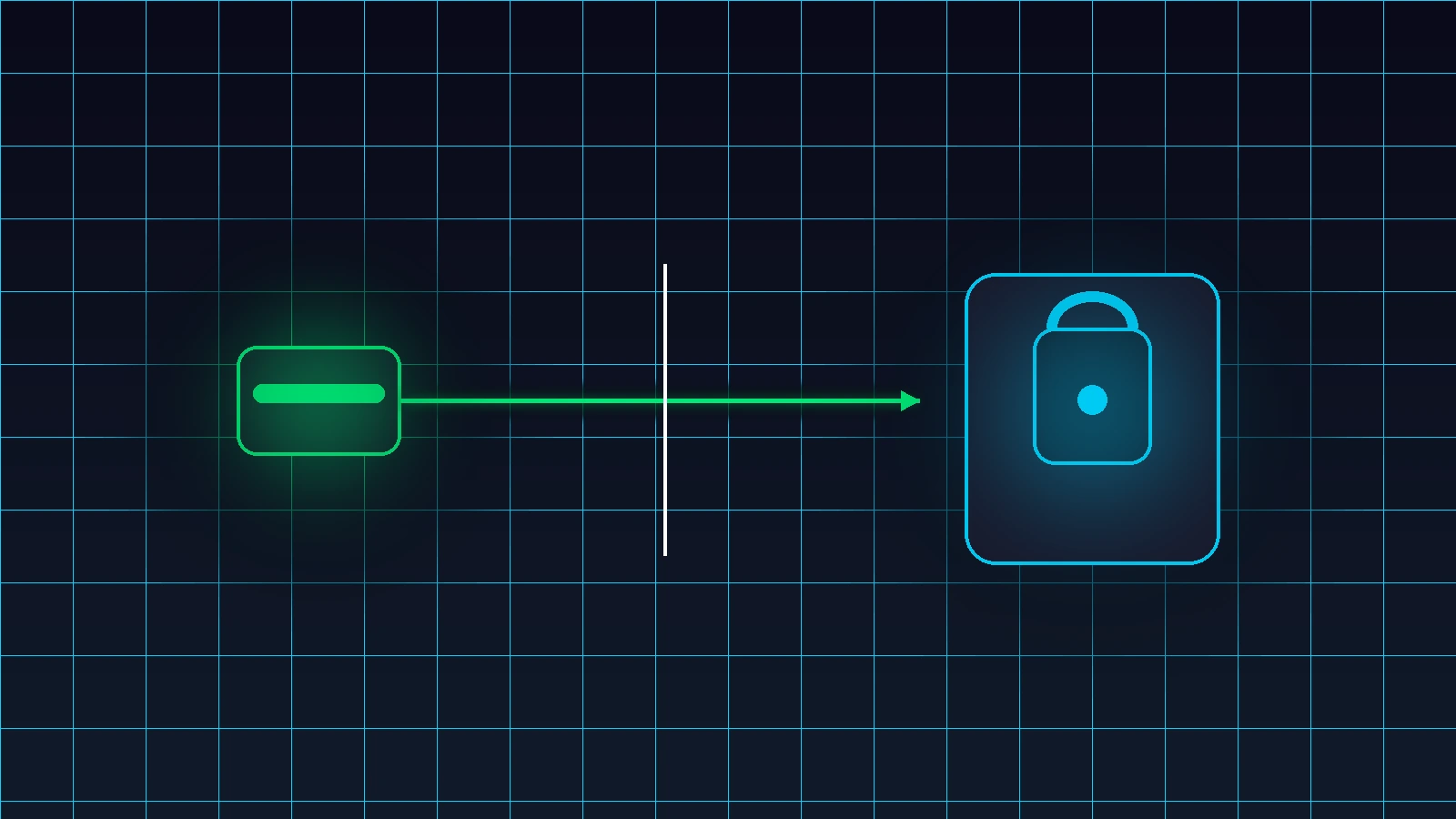
Burner wallet vs other wallet roles
Why burner wallets matter to traders
The point is not paranoia. The point is operational hygiene. If you sign something dangerous from your main wallet, the attacker does not care that you intended it only as a quick test. Burner wallets create a deliberate separation between experimentation and meaningful capital.
What burner-wallet discipline protects against
Burner wallet vs hot wallet
This distinction matters because the terms get mixed up constantly. A hot wallet is just a wallet connected to the internet. A burner wallet is a wallet used for containment. It can be hot, but its defining feature is not connectivity. Its defining feature is limited trust and limited value.
What burner wallets do not solve by themselves
- ✘ They do not replace signature-reading discipline, because a dangerous approval is still dangerous even on a burner.
- ✘ They do not replace transaction simulation, because prevention is better than containment.
- ✘ They do not justify keeping meaningful funds in a wallet that touches everything.
- ✘ They do not make a malicious tool safe, only less catastrophic to test.
How to use a burner wallet correctly
The clean workflow is simple. Keep the burner separate, fund it lightly, use it for uncertain interactions, and retire or rotate it once it becomes cluttered with approvals, history, or too much value.
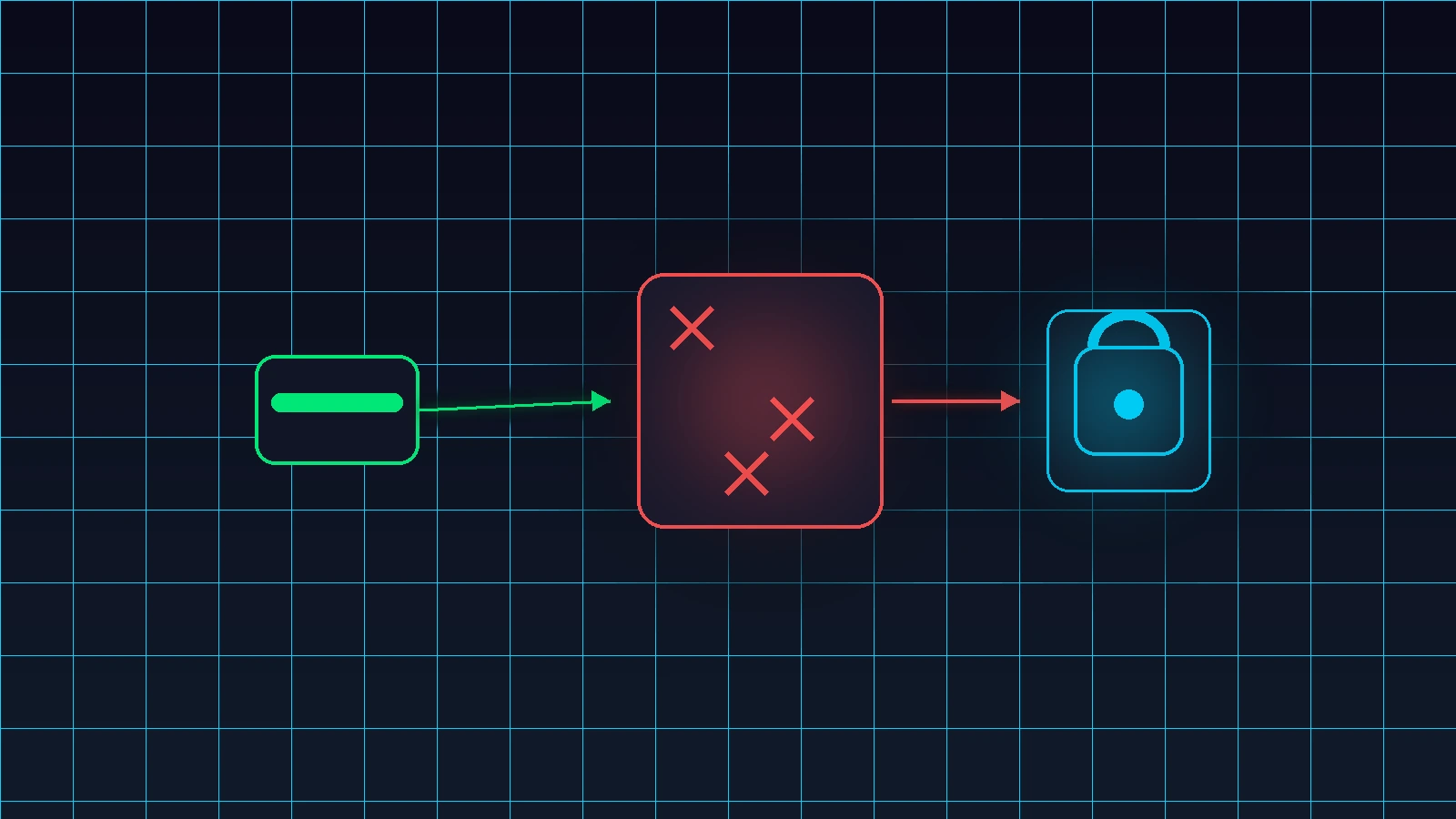
A practical burner-wallet workflow
- ✔ Create a separate wallet that never stores serious long-term capital.
- ✔ Fund it only with the amount needed for gas and the specific interaction.
- ✔ Use it for unknown mints, new dApps, risky token claims, and fast launch experiments.
- ✔ Review and revoke approvals regularly instead of assuming “small wallet” means “safe forever.”
- ✔ Retire the burner when it accumulates too much exposure, history, or value.
Final takeaway
A burner wallet in crypto matters because good security is not only about avoiding bad tools. It is also about controlling where risk can spread. If your main wallet touches every unknown surface, one mistake can become an expensive lesson.
The practical rule is simple: if you would feel nervous signing it with your main wallet, that interaction probably belongs in a burner wallet instead.
Related reads on DEXTools
FAQ
What is a burner wallet in crypto?
A burner wallet is a temporary low-value wallet used to interact with contracts, mints, apps, or links that you do not trust enough to touch with your main wallet.
Why do burner wallets matter?
They reduce blast radius. If a malicious signature, drain attempt, or fake approval hits the burner, your main assets stay isolated.
Is a burner wallet the same as a hot wallet?
Not exactly. A hot wallet describes connectivity. A burner wallet describes purpose: it is meant to be disposable or low-risk by design.
When should I use a burner wallet?
Use one for unknown mints, new apps, suspicious links, airdrop experiments, and any interaction where the contract or site trust level is not strong enough for your primary wallet.
Disclaimer: This content is for informational purposes only and does not constitute financial advice. Crypto investments carry risks, including loss of capital.
Related Guides
- Burner Wallet for Crypto: Complete Airdrop & Risky dApp Guide (2026)
- Yield Farming Strategies, APY Quality and Risk Management (2026)
- What Is Wrapped Asset Risk in Crypto? Guide 2026
- How to Evaluate Tokenomics: Supply, Emissions and Unlock Risk Guide (2026)
- What Is Stablecoin Depeg Risk? How Peg Stress Shows Up (2026)
Frequently Asked Questions
What is a burner wallet in crypto?
A burner wallet is a temporary, disposable wallet you use for risky or one-time interactions instead of your main wallet. Because it holds little value, any compromise causes limited damage.
When should I use a burner wallet?
Burner wallets are commonly used for minting, claiming airdrops, testing new applications, or connecting to unfamiliar sites. Using one keeps your primary funds separated from interactions that might carry risk.
How does a burner wallet reduce drain risk?
Since a burner wallet holds minimal assets and limited token approvals, a malicious signature or approval can only reach what is in that wallet. This limits the exposure that a wallet-drain attack could exploit.
Are burner wallets completely safe?
Burner wallets reduce risk but do not remove it, since anything you keep in them can still be lost if you sign a malicious transaction. The protection comes from keeping value low and not reusing the wallet for important holdings.