What Are Layer 2s: Complete Guide to L2 Scaling Solutions (2026)
— By Tony Rabbit in Tutorials
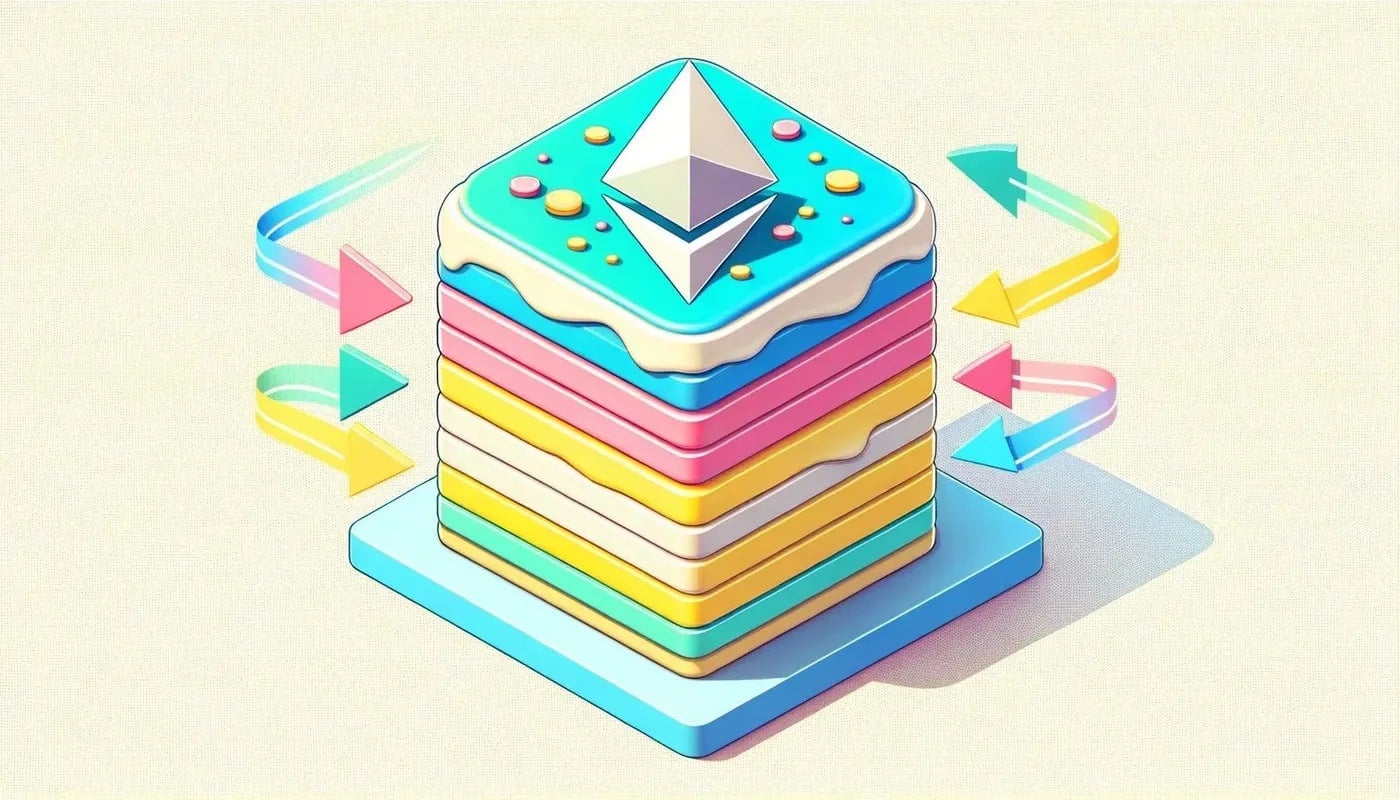
Layer 2 scaling explained. How rollups work, Arbitrum vs Optimism vs Base vs zkSync, bridging, fees, and when to use L2s versus other chains.
Layer 2 (L2) solutions are the answer to Ethereum's biggest problem: high gas fees and slow transactions. Instead of processing every transaction on Ethereum's main chain (Layer 1), L2s handle transactions on a separate faster chain and periodically submit compressed proofs back to Ethereum. The result is 10-100x cheaper transactions with near-instant speed, while inheriting Ethereum's security.
Intent check: This page explains what layer 2 networks are and why they exist. If you want the ranked network landscape instead of the base concept, read Top 5 Layer 2 Networks
This guide explains what Layer 2s are, how they work, the major L2 networks you should know in 2026, how to bridge assets, and when to use L2s versus other chains.
How Layer 2s Work
Think of Ethereum L1 as a congested highway and L2s as express lanes that merge back onto the highway. L2s process thousands of transactions off-chain, compress them into a single proof, and submit that proof to Ethereum. This means Ethereum only needs to verify one proof instead of processing thousands of individual transactions.
There are two main types: Optimistic Rollups (Arbitrum, Optimism, Base) assume transactions are valid unless challenged - cheaper to run but have a 7-day withdrawal period to L1. ZK Rollups (zkSync, StarkNet, Scroll) use mathematical proofs to verify transactions instantly - more complex but faster finality.
Major Layer 2 Networks
How to Use a Layer 2
Step 1: Add the L2 network to your wallet (MetaMask auto-detects most, or add manually via chainlist.org). Step 2: Bridge ETH from Ethereum to the L2 using the official bridge or a third-party bridge like Across or Stargate. Step 3: Use DApps on the L2 just like on Ethereum - same wallet, same addresses, massively lower fees.
L2 vs Alt-L1s (Solana, BSC)
L2s inherit Ethereum's security and decentralization while achieving similar speeds to alternative L1s. Solana is faster (65,000 TPS) but is a separate security model. BSC is faster and cheaper but more centralized. L2s are the best option for users who want low fees without leaving the Ethereum ecosystem and its massive DeFi liquidity.
- ✔ 10-100x cheaper than Ethereum L1
- ✔ Inherits Ethereum security
- ✔ Same wallet, same addresses
- ✔ Growing DeFi ecosystems
- ✘ Bridging adds complexity and risk
- ✘ 7-day withdrawal for Optimistic Rollups
- ✘ Fragmented liquidity across L2s
- ✘ Newer with less battle-testing than L1