Tap-to-Earn Games on TON: Notcoin, Hamster Kombat and Beyond (2026)
— By Tony Rabbit in Tutorials
Tap-to-earn games turned Telegram into the largest crypto onboarding funnel ever. This guide covers how Notcoin and Hamster Kombat actually work, what came after, the scam patterns, and how to play without becoming exit liquidity.
Tap-to-earn games on TON did something the rest of crypto had been trying to do for years: bring hundreds of millions of new users into a wallet without making them learn what a wallet is. Notcoin's launch in 2024 turned a simple "tap-the-coin" loop inside Telegram into a viral global phenomenon. Hamster Kombat followed and went even bigger. By 2026 the category is more mature, partly cleaner, partly littered with scams. This guide covers how the loop actually works, what to expect, and how to play without becoming exit liquidity.
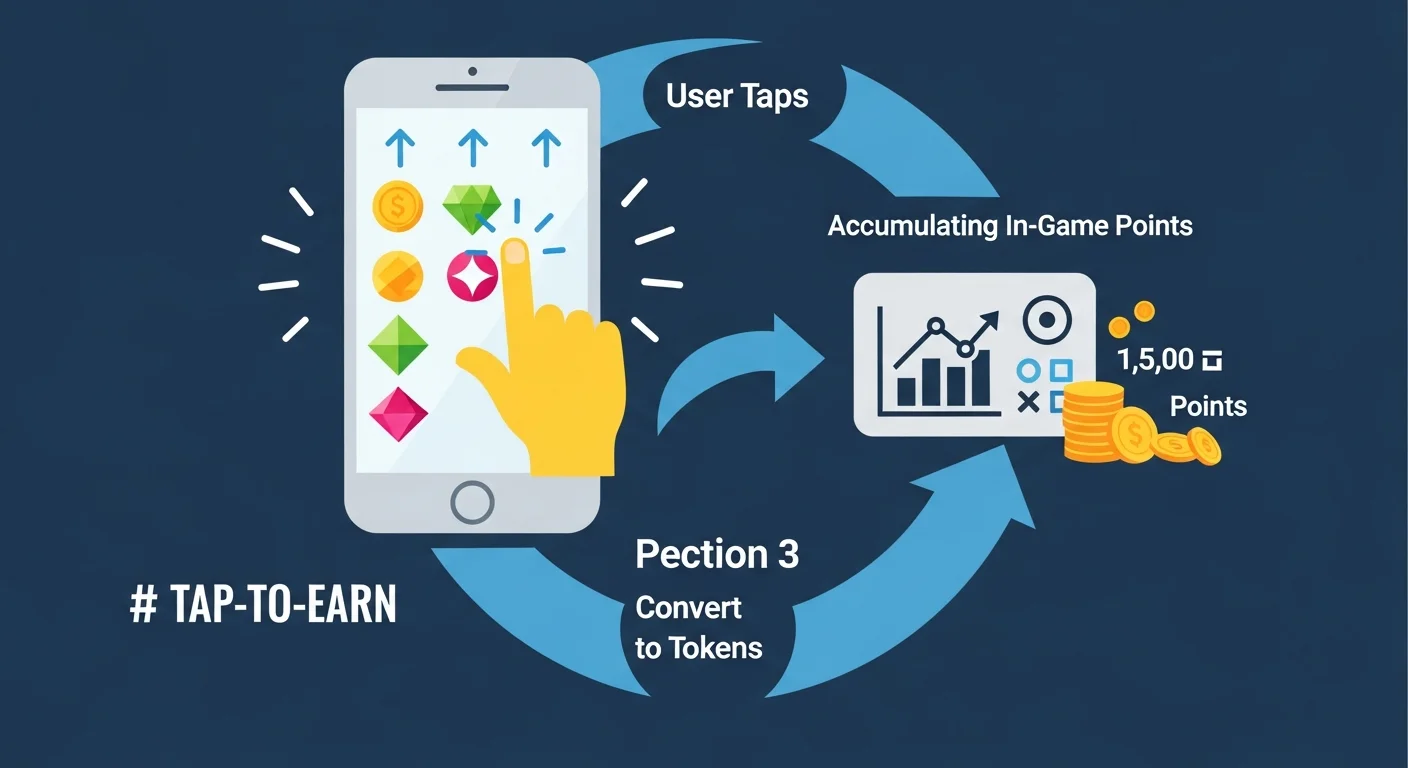
Quick answer: Tap-to-earn games on TON live as Telegram Mini Apps. Players accumulate in-game points by tapping or completing quests. After a launch period, those points convert into a TON-based token at a published rate. The token can be claimed to a TON wallet and traded on STON.fi, DeDust, or centralized exchanges. The category is still high-risk: most copycats fail, scams are common, and even successful games often pay less than the time investment suggests.
- The game lives inside Telegram. Mini Apps load in the messenger; no separate install required.
- Points convert to tokens at launch. Until the airdrop, your earnings are off-chain points.
- The token lives on TON. Withdraw to Tonkeeper or @wallet to claim and trade.
- Most games are not worth the time. Hourly value is often under typical wages once spread across the user base.
- Scams imitate every successful game. Always start from a verified link, never a promo in a random group.
What tap-to-earn actually is
Tap-to-earn (T2E) is a category of mobile games built as Telegram Mini Apps where the core loop rewards in-game points for simple actions: tapping, daily login, completing quests, inviting friends. The points are off-chain at first. After a "campaign" period, the developer announces an airdrop that converts points into a TON-based token, often with vesting and conversion ratios.
Trade TON with Not.Trade, the fastest terminal on TON
Not.Trade is purpose built for TON traders: real-time on-chain charts for every jetton, insider safety scoring (Top 10 wallets, snipers, dev movement, bundlers, LP lock), MCAP-trigger limit orders, multi-wallet sniping, MEV protection and one-click swaps routed across STON.fi and DeDust. It runs natively inside Telegram and as a fast web terminal, with TON Connect non-custodial wallet support.
Read the full Not.Trade guide →Why it works on Telegram
Telegram already has the user. The Mini App loads in seconds with no install. Wallet connection is one tap through TON Connect. Friend referrals are baked into the chat experience. The combination produces extraordinary user-acquisition curves that no standalone mobile game has matched.
Why it works as a marketing playbook
For TON, every active T2E player is a potential wallet holder. Even if a single game's token underperforms, the user has now been onboarded into TON Mini Apps and TON wallets. From the ecosystem's perspective, the user-acquisition is permanent even if the specific game is forgettable.
Notable games and how they shaped the category
Notcoin
Notcoin launched the modern T2E wave on TON. The game was as simple as possible: tap a coin, earn points. The launch reached tens of millions of players in weeks, and the airdrop converted accumulated points into the NOT token. NOT became one of the most-traded tokens on TON in 2024 and lent credibility to the category.
Hamster Kombat
Hamster Kombat scaled even further by adding a "company" theme: players were running a virtual exchange and "upgrading" cards to earn more points per tap. The reach was enormous, claims of hundreds of millions of users dominated headlines. The HMSTR airdrop landed in late 2024 with a much lower per-user value than many had hoped, which set the realistic expectation for later games.
The wave that followed
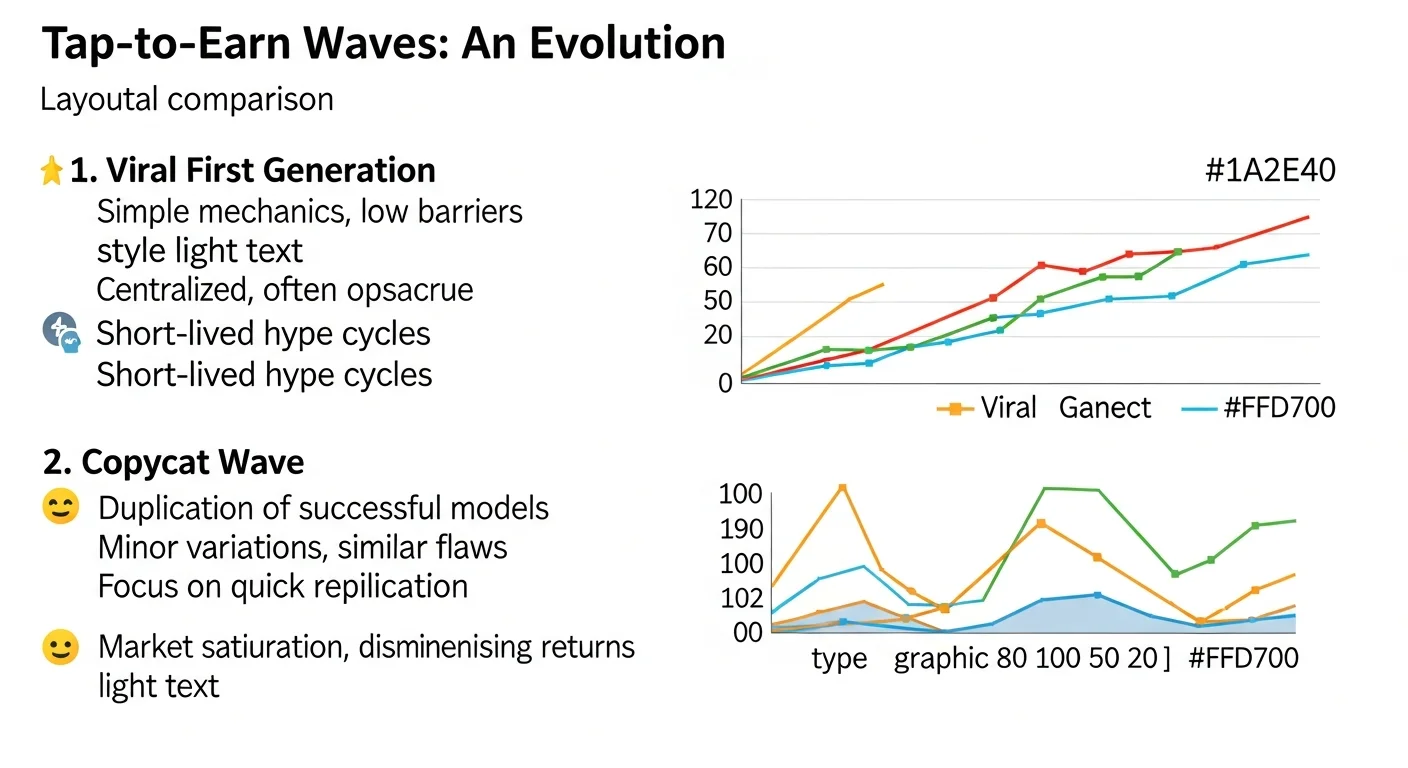
After Notcoin and Hamster Kombat, dozens of imitators launched. Catizen, Yescoin, Pixelverse, and many others used variations of the same loop. Some launched cleanly with real distribution. Many existed mostly to scam users into connecting wallets to drainable contracts. The category split between sustainable studios and pump-and-dump operations.
2026: more mature, still risky
By 2026 the category is more curated. The most sustainable games behave like real free-to-play studios with token economies plugged in. The lowest-quality copycats still launch every week. Picking which to play matters more than ever, and TON itself is reasonably safe even when individual games are not.
How to play and claim safely
The flow is similar across nearly every T2E game.
Find the official link
Always start from the verified link the project itself publishes (their official Telegram channel, X account, or TON Foundation feature). Random promo messages in groups are the first vector for scams.
Open the Mini App and play
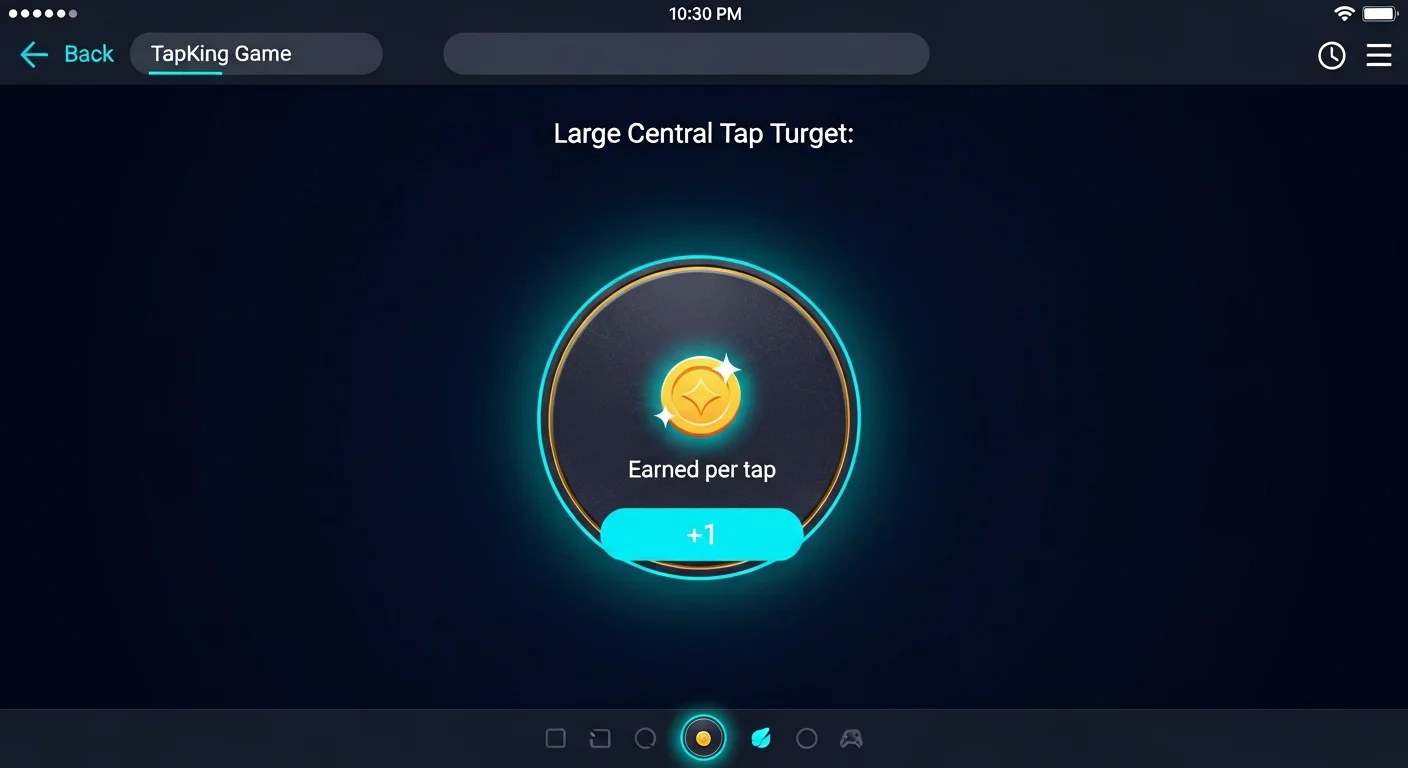
Open the Mini App in Telegram, tap to earn points, complete daily quests, invite friends if you want to amplify the score. Most games have an "energy" mechanic that caps how fast points accumulate, plus daily streaks and time-gated upgrades.
Connect a TON wallet for the airdrop
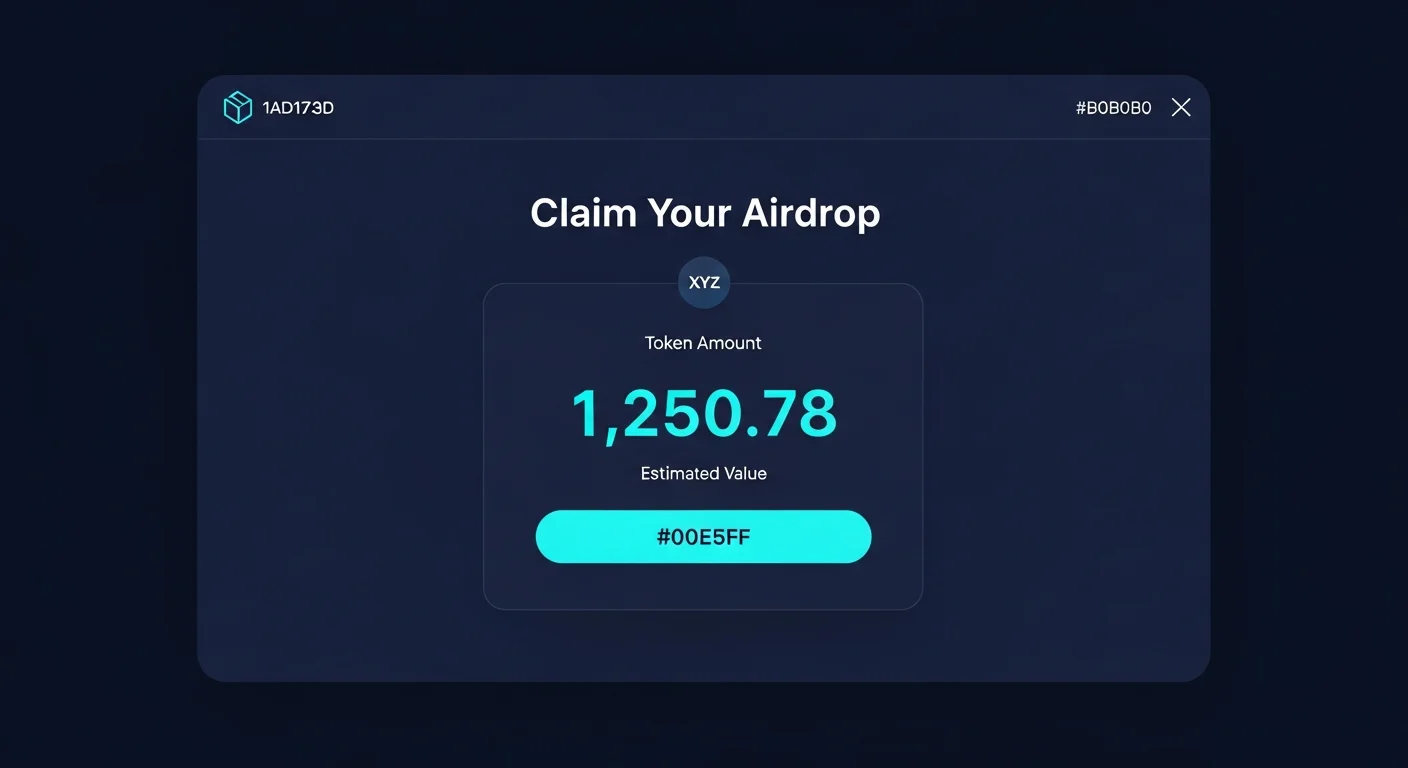
When the airdrop is announced, the game asks you to connect a TON wallet through TON Connect. Use Tonkeeper or @wallet. Read the connection prompt carefully; never approve permissions that look broader than "send tokens to this wallet."
Claim and decide
Claim the token to your wallet. Decide whether to hold, sell on a TON DEX (STON.fi or DeDust), or move to a centralized exchange that listed the token. Many T2E tokens drop sharply after the initial claim, so a fast partial sell is a common strategy.
Risks and scam patterns
- Phishing fakes: a clone Mini App with a similar name asks to connect your wallet, then drains it.
- Drainable contracts: some games request approvals that allow the operator to move tokens from your wallet.
- Low airdrop value: even successful games often pay less per hour than the player implicitly assumed.
- Energy and pay-to-progress traps: some games push players to buy upgrades with TON or Stars, often with negative expected value.
- Insider distribution: developer wallets sometimes receive a disproportionate share of tokens, with predictable selling pressure post-launch.
How to evaluate a tap-to-earn game
| Check | What you want to see | Red flag |
|---|---|---|
| Source of the link | Official channel, official site, TON Foundation feature | Random group promo, paid promo from unknown account |
| Wallet connect permissions | Read account, send tokens to claim | Unlimited approvals, broad permissions |
| Tokenomics | Reasonable insider allocation, vested team, transparent supply | Heavy insider allocation, missing supply data |
| Game depth | Some skill or progression beyond mindless tapping | Pure tap, pay-to-progress mechanics |
| Community signal | Authentic traders, dev replies, public dev wallet | Bot replies, copy-paste hype, no dev presence |
Practical workflow for tap-to-earn players
- Use a fresh wallet for risky games. Keep your main TON balance in a separate wallet.
- Verify the official link before opening. One careful check prevents most phishing.
- Never approve unlimited permissions. Real games never need them for an airdrop claim.
- Claim and partial-sell on launch day. Many T2E tokens crater within days.
- Treat the time investment honestly. Most hours spent will not produce meaningful value; play for fun, not as a job.
Frequently asked questions
Can you actually make money playing tap-to-earn games?
Some players have. Most have not. The headline distributions cover hundreds of millions of users, so per-user value is typically modest after the launch dump.
Do I need a TON wallet to play?
Not for the in-game tapping itself, but you need a TON wallet to claim the airdrop when it launches.
Are tap-to-earn games safe?
The category mixes legitimate games with outright scams. Verify the link, never approve unlimited permissions, and treat new games skeptically.
What are the most successful TON tap-to-earn games?
Notcoin and Hamster Kombat defined the category. Others have launched since with mixed outcomes.
Where do I trade tap-to-earn tokens?
STON.fi and DeDust on TON, or centralized exchanges that list the token after launch.
Final takeaway: Tap-to-earn games turned Telegram into the biggest crypto onboarding funnel ever. The opportunity is real, but the median per-user payout is small and the scam risk is high. Play for fun, use a separate wallet for sketchy games, and read every TON Connect approval before signing.
Disclaimer: This guide is for educational purposes only and does not constitute investment, financial, legal, or trading advice. Most tap-to-earn tokens drop sharply after launch.
Related Guides
- What Is Hamster Kombat (HMSTR)? Complete Token Guide (2026)
- What Is Notcoin (NOT)? Complete Token Guide (2026)
- Top 5 GameFi Crypto Games to Watch in 2026
- What is Ronin Network? Axie L1 and Beyond
- Ethereum Roadmap: Beyond 10k TPS and Invisible Infra
Frequently Asked Questions
What are tap-to-earn games?
Tap-to-earn games are simple apps, often inside Telegram, where players tap the screen to accumulate in-game points that may later convert into tokens. They are designed to be easy to start and to onboard large numbers of users.
How do tap-to-earn games make money?
These games can generate revenue through advertising, in-app purchases, referral systems, and the attention they attract to a token or ecosystem. The economics vary widely from one game to another.
Are tap-to-earn games safe to play?
Playing the official game is usually low risk, but the space attracts scams such as fake clones and phishing links that try to steal wallet access. You should avoid connecting your main wallet and never share your recovery phrase.
Do tap-to-earn rewards have real value?
Any value depends on whether the project actually launches a token and whether that token has a market. Many tap-to-earn rewards end up worth little, so it is wise to keep expectations modest.