Realized vs Unrealized PnL in Crypto: Guide 2026
— By Tony Rabbit in Tutorials
Realized vs unrealized PnL in crypto explained: where exchanges display each one and how open-position PnL differs from closed-trade results.
Realized and unrealized PnL are two of the most important numbers on any crypto trading dashboard, and they mean very different things. One tells you what the market is currently saying about your open position. The other tells you what you have actually locked in after closing or reducing that position. Confusing them is one of the fastest ways to overestimate performance, undersize risk, or treat paper gains like guaranteed money.
On modern crypto exchanges, these numbers usually appear in different places. Unrealized PnL shows up near open positions and account panels because it moves with price in real time. Realized PnL usually shows up in history, trade logs, or closed-position reporting because it only becomes final once the trade is actually taken off the table.
Quick answer
- Unrealized PnL is the paper gain or loss on an open position right now.
- Realized PnL is the gain or loss you actually lock in after closing or reducing the trade.
- On derivatives platforms, unrealized PnL often changes with mark price, not just the last traded print.
- A trader can show a strong unrealized gain and still finish the day with poor realized PnL if the position is not managed well.
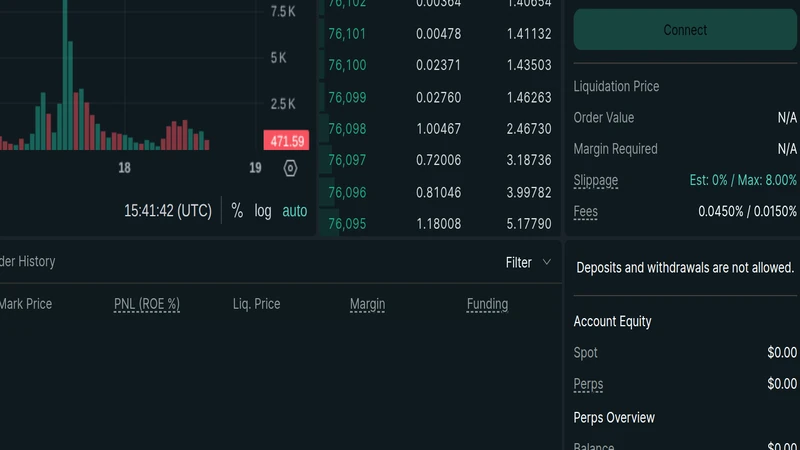
What Realized vs Unrealized PnL Means
Unrealized PnL is the profit or loss you would have if you closed the position right now at the current price basis used by the exchange. Realized PnL is what becomes final once the trade is actually closed, partially closed, or otherwise settled into your account balance. The distinction sounds obvious, but in fast markets it matters a lot because only one of those numbers is still moving every second.
Where Exchanges Usually Show Each One
Most exchanges do not surface realized and unrealized PnL in exactly the same panel, and that is useful. Open-position areas usually emphasize mark price, position value, liquidation context, and unrealized PnL. History areas usually emphasize what happened after execution, including realized outcome, fees, and the final close.
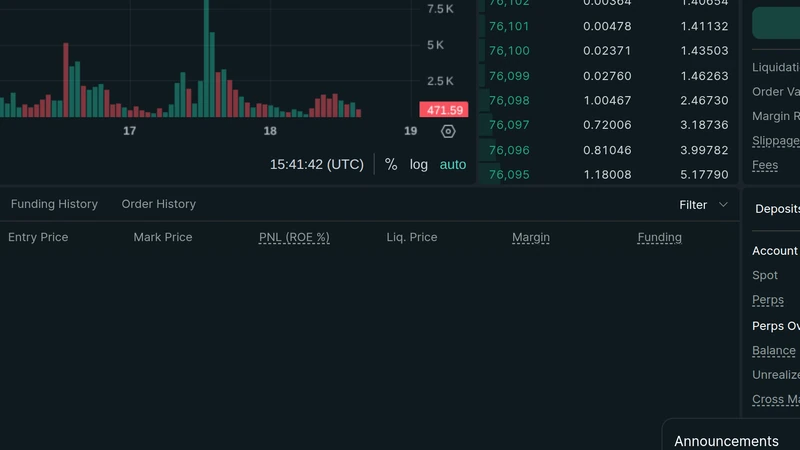
A practical UI rule
How Unrealized PnL Behaves on Open Positions
Unrealized PnL updates while the position is alive. On a simple spot holding, it is usually just the difference between current market value and your cost basis. On futures and perpetuals, it becomes more dynamic because exchanges may use mark price, leverage, margin mode, and funding adjustments to calculate what your live position is worth.
That is why unrealized PnL can move even when a trader has not done anything. The market moved, the exchange updated its pricing basis, or the contract structure itself changed the live economics of the trade. This is also why many traders get into trouble by celebrating a green unrealized number too early. It is a signal of current exposure, not a trophy.
When Unrealized Becomes Realized
Unrealized PnL becomes realized when you actually close the loop. That can happen through a full close, a partial close, a reduce-only exit, or any event that converts part of the open exposure into a finished trade. Once that happens, the market can no longer take that closed slice away from you. At that point the result becomes part of your account history instead of a live floating number.
In practice, the final realized number may not exactly match the unrealized number you saw a moment earlier. That difference can come from fees, funding, small execution differences, or the fact that your final close price was not the same as the price basis that was being used for live PnL.
The easiest way to think about it
Spot vs Futures PnL Differences
Spot PnL is usually simpler. If you bought BTC at one price and the market is currently higher, you have an unrealized gain. If you sell, the gain becomes realized. Futures PnL adds more moving parts: mark price, leverage, margin mode, potential funding transfers, and liquidation risk. That is why the live PnL number on a perpetual venue can feel more unstable than the equivalent gain or loss on a spot holding.
If you trade perpetuals, our guides on leverage, funding rate, and open interest add the context that PnL alone cannot provide.
Common PnL Mistakes
- Treating unrealized PnL as locked money: green numbers can reverse fast if the position stays open.
- Ignoring fees and funding: the final realized result may be lower than the live number that looked attractive on screen.
- Looking only at ROE: high percentage returns on small margin do not automatically mean strong dollar PnL.
- Forgetting partial closes: reducing part of a trade creates partial realized PnL while the rest can stay unrealized.
- Comparing spot and perp PnL as if they behave the same: derivatives add more variables than plain ownership.
Good habit
Frequently Asked Questions
What is unrealized PnL in crypto?
Unrealized PnL is the paper gain or loss on an open position based on the current market or mark price. It can change until the position is reduced or closed.
What is realized PnL in crypto?
Realized PnL is the actual profit or loss locked in when you close or partially close a trade, usually after fees and other adjustments.
Why does unrealized PnL change so fast?
Because it updates with price movement. On derivatives venues it may also reflect mark price changes rather than just the last traded price.
Does unrealized PnL count as real money?
It is real exposure, but it is not locked in yet. Until the position is closed or reduced, the market can still move against it.
Where do exchanges usually show realized and unrealized PnL?
Unrealized PnL usually appears on open positions or account panels. Realized PnL usually appears in position history, trade history, or dedicated PnL analysis sections after a trade is closed.
Related DEXTools tutorials
Disclaimer: This article is for educational purposes only and does not constitute investment, financial, legal, or trading advice. Exchange calculations, fee handling, and mark-price methodology can differ by platform.