Macro Forces Overshadow Crypto Rise
— By Whatsertrade in News

Crypto news is positive, but inflation, energy prices, and geopolitics are keeping Bitcoin down.
Crypto's image problem isn't what most think. The headlines are positive-clearer regulation, ongoing institutional interest, and big finance engagement. Yet, it doesn’t matter when macro forces have the upper hand.
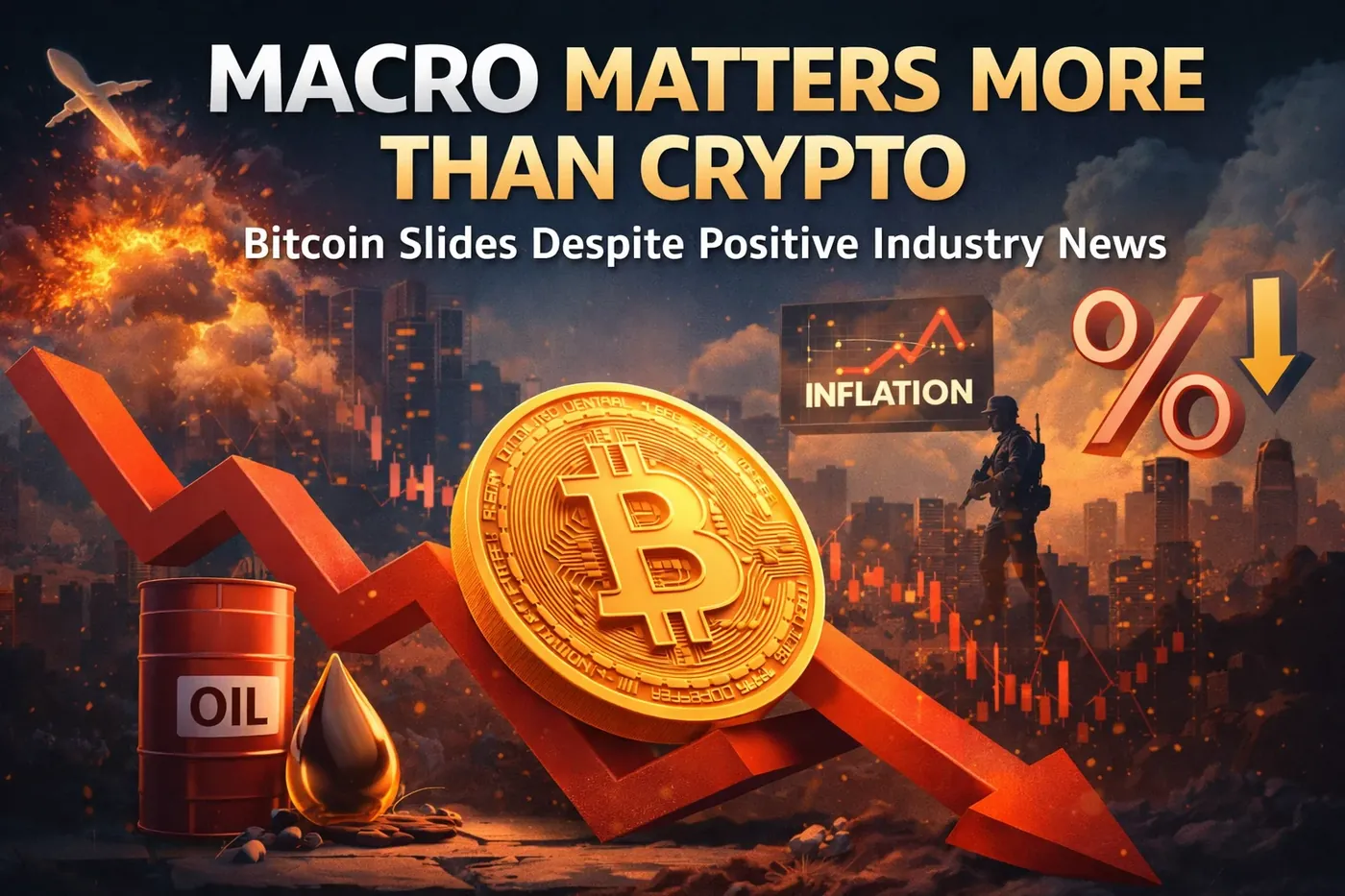
Inflation, energy spikes, interest rates, and geopolitical chaos are setting the mood more than any news about Bitcoin. It’s why Bitcoin struggles even when it holds crucial levels. The market's not dismissing crypto progress, it's just reacting to far larger factors.
Why Bitcoin Struggles Despite Positive Trends
Here’s the paradox: Crypto appears stronger on the surface. Legitimacy, access, and regulatory clarity outshine past cycles. In a different setting, that might skyrocket prices, but reality plays out oppositely. Bitcoin stays cautious. Why? Bad news outside crypto is the spoiler.
When fears about inflation's persistence, rising oil prices, strict central bank policies, and growing global tensions grip the market, risk assets like crypto suffer. It transforms from an isolated ecosystem to a high-risk global play.
The Macro's Might Over Crypto Tales
Sometimes crypto steals its own spotlight. That’s not now. The market’s captive to questions about persistent inflation, soaring energy costs, and whether central banks will tighten longer than anyone guessed. These issues guide thinking today because they influence liquidity, valuations, and overall risk appetite.
Crypto lives amid stocks, bonds, commodities, and currencies. Tighter liquidity or cautious investors hit digital assets hard. So, even favorable crypto happenings can't stop the slide if the macro noise blares louder.
Inflation Continues to Threaten Asset Growth
Inflation remains a massive hurdle. With stubborn inflation, central banks have slim leads to ease policies a critical factor for crypto as easier policies boost speculative assets through improved liquidity and encouraged risk-taking.
When inflation cools too slowly, that hope fades, leaving the market bracing for prolonged restriction. It’s tough for crypto to rally when traders are jittery.
Bitcoin’s often touted as a hedge against monetary chaos, but in reality, it sways to rate expectations. Tighter policies usually sap crypto's momentum alongside other volatile assets.
Energy Prices Are Not Helping Sentiment
Energy price hikes make things worse. Geopolitical stress pushes oil and energy prices up, flagging broader inflation risks. Higher costs raise inflation expectations, dampen consumer confidence, and lower chances for near-term policy easing.
This impacts crypto sentiment significantly; the weight isn't just economic, it's psychological. Rising energy costs signal increased global instability, driving cautious investor behavior. People protect capital rather than gamble on volatility.
Crypto, heavily reliant on confidence, momentum, and risk appetite, is affected by this prudence.
Interest Rate Hikes Pose Real Threat
The looming danger is the notion of 'higher for longer'. As long as traders sense enduring high interest rates, the climb for risky assets, including crypto, gets steeper.
High rates mean tighter liquidity and pricier capital. They set tough bars for speculative investments and make safer assets more appealing than volatile ones. For Bitcoin and altcoins, with no big catalyst, it’s a harsh climate.
That’s not saying crypto won’t rise in a high-rate world, just that rallies become difficult to sustain. Strong conviction is needed for every upward move.
Uncertainties From Global Conflicts
Geopolitical friction layers more uncertainty. Conflicts snapping at energy markets and reshaping inflation expectations prompt investors to ease off risky bets equities, commodities, and yes, crypto too.
Uncertainty rattles markets, and crypto feels it profoundly since it’s a core gauge of speculative fervor. As confidence grows shaky, crypto reacts swiftly.
It’s not just about one bearish element, but many significant forces mingling at once like inflation, energy worries, restrictive policies, and geopolitical instability.
Good News May Already Be on the Table
Here’s why, despite good news, the market feels bearish: much is priced in already. Real progress on regulation, deeper institutional involvement, and a matured market structure might have been anticipated, turning headlines into mere background reassurance instead of triggers for new demand.
The market sees long-term improvement but doesn’t rally today standard in mature markets with expectations pacing ahead of demand.
Implications for Crypto Traders
Price action sends a clear message: Crypto’s not underperforming because its story falters, but because macro pressures weigh heavier than crypto narratives, which means traders should track industry news with skepticism unless the broader market backdrop cheers up.
Sentiment hinges on three factors: easing inflation, signs of looser policies, or a new driving force that musters new enthusiasm despite macro woes.
Until then, Bitcoin and further crypto weakens, despite any supportive news.
Macro's Dominance in Markets
The takeaway? Crypto’s fall is not due to a void in developments. Instead, macro elements currently win, keeping inflation concerning, energy prices climbing, and making rate expectations stringent, while geopolitics shakes investor nerves.
That’s the real story beneath the current downturn. Bitcoin may still hold long-term prospects, pointing toward a mature industry trajectory. But right now, macro narratives dictate, with crypto trailing in their wake.
Markets Bleed as Rate Hike Fears Surge Bitcoin Trades as Growth Asset Institutions Reshape Crypto in 2026 Dubai’s Crypto Hub Faces Geopolitical Challenges Bitcoin Rebound Explained