Bitcoin Trades as Growth Asset: Insights for 2026
— By Tony Rabbit in News

Bitcoin shows growth asset behavior, diverging from the 'digital gold' narrative. Learn what this means for investors and marketers in 2026.
Bitcoin, often referred to as "digital gold," has long been viewed as a safe haven asset. However, recent analysis from Grayscale highlights a shift, with Bitcoin behaving more like a high-beta growth asset tied to equity markets. This evolution has significant implications for investors approaching 2026.
The Shift: From Hedge Asset to Growth Asset
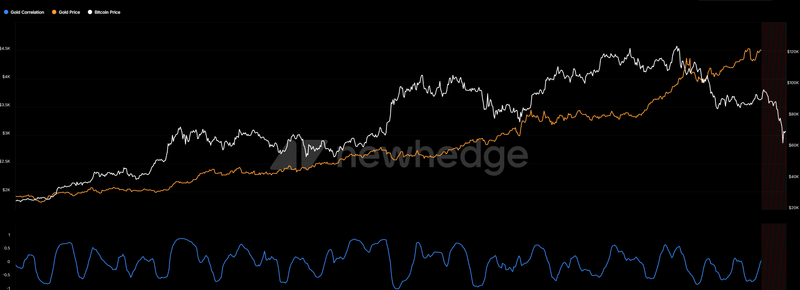
While Bitcoin's fixed supply and independence from central banks maintain its potential as a long-term store of value, its short-term price movements have detached from precious metals like gold and silver. According to Grayscale, Bitcoin is now more closely correlated with software stocks.
Understanding the New Correlation
Since early 2024, Bitcoin's price has mirrored software equities, with both segments facing volatility amid concerns about AI disrupting the tech stack. This association underscores that Bitcoin's short-term moves are increasingly influenced by equity-style risk sentiment.
Why This Matters for Investors and Marketers
If Bitcoin behaves like a growth asset, the narrative around its value proposition changes. Emphasizing BTC as a "safe haven" might no longer resonate. Instead, focusing on its macro liquidity characteristics and responses to institutional demand becomes more effective.
Effective Messaging in This Context
To align with shifting perceptions, marketers and investors can adjust their messaging:
- Macro Asset Framing: Highlight Bitcoin's dependence on liquidity, capital flows, and market sentiment rather than "digital gold" narratives.
- Institutional Integration: Explain how deeper adoption through ETFs and institutional participation impacts price behavior.
- Long-Term Value vs. Short-Term Performance: Differentiate Bitcoin's long-term store-of-value potential from its short-term volatility.
Grayscale's Take on Bitcoin's Recent Drawdown
Grayscale's report outlines a significant drawdown in Bitcoin's price from its October 2025 peak above $126,000, attributing the decline to liquidation events, retail disengagement, and macroeconomic factors such as "motivated U.S. sellers."
Drivers for Bitcoin's Recovery
Grayscale highlights the need for fresh capital inflows to drive Bitcoin's recovery, such as renewed enthusiasm from ETFs or retail investors. Yet, current retail attention has shifted toward AI-related stocks, reducing demand pressure for crypto assets in the short term.
Crafting Digital Marketing Strategies for Bitcoin in 2026
For those promoting Bitcoin in 2026, adapting to this new growth-asset narrative is essential. Here are key elements to include in marketing content:
- Emphasize Liquidity and Risk Sentiment: Position Bitcoin as a macro asset that reacts to market liquidity and capital flows, moving beyond the "safe haven" narrative.
- Highlight Institutional Adoption: Educate audiences on how ETFs and institutional players influence short-term correlations.
- Build Trust Through Realism: Acknowledge Bitcoin's volatility while reinforcing its long-term value, offering realistic expectations for audiences.
Bitcoin's evolution from "digital gold" to growth-asset behavior reflects broader market dynamics. Understanding these shifts can help both investors and marketers align strategies for maximum effectiveness in the years to come.
Bitcoin Rebound Explained: Key Reasons for BTC Recovery Bitcoin and DeFi: Resilient During Crypto Corrections 7 On-Chain Data Signals That Help Identify High-Growth Crypto Assets Bitcoin ETFs Drop Below $100 Billion Amid Market Weakness 2026 Crypto Market Trends and Growth Forecasts