What Is Ink? Kraken's Ethereum Layer 2 Explained (2026)
— By Tony Rabbit in Tutorials
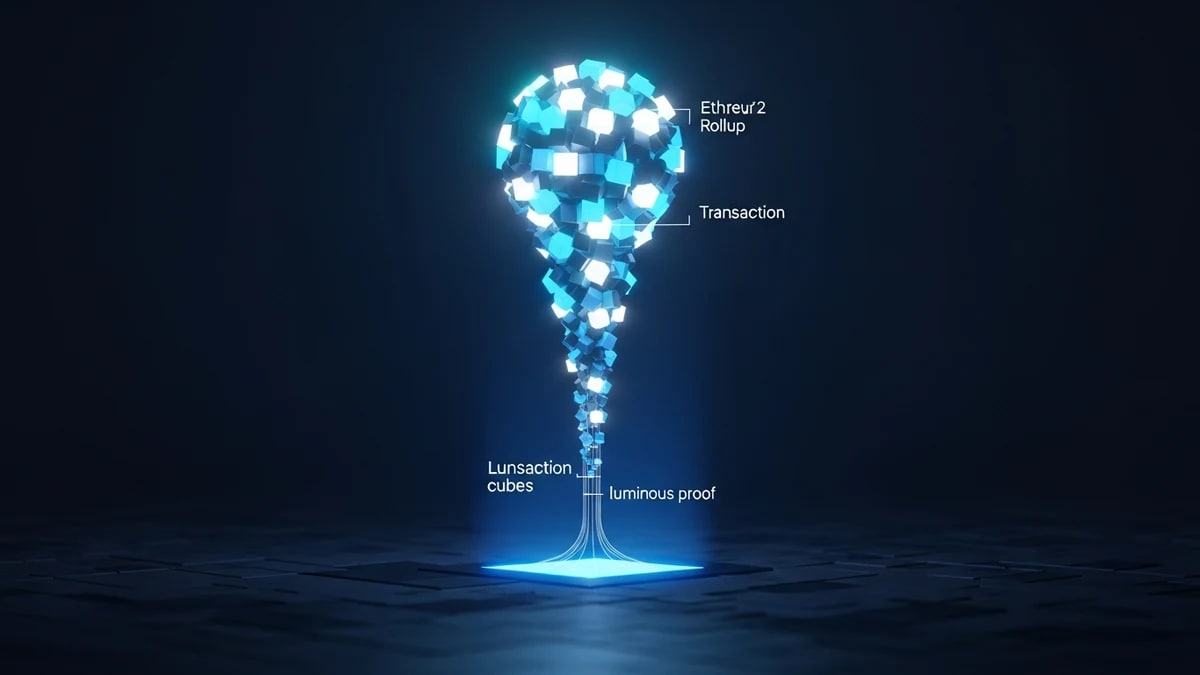
Discover Ink, Kraken's new Ethereum Layer 2 blockchain built on Optimism's OP Stack. Learn how this optimistic rollup offers fast, low-cost DeFi access.
What is Ink? Kraken's Ethereum Layer 2 Explained
Ink is an emerging Ethereum Layer 2 blockchain developed by the crypto exchange Kraken. Launched in December 2024, Ink aims to bridge Kraken's extensive user base into the world of decentralized finance (DeFi) with enhanced efficiency and lower costs.
It's built on Optimism's OP Stack, positioning it as a key part of the Superchain ecosystem alongside other prominent Layer 2s like Base and OP Mainnet.
How Ink Works: The Optimistic Rollup Approach
Ink operates as an optimistic rollup. This technology bundles numerous transactions off the main Ethereum blockchain, processes them, and then posts a compressed proof back to Ethereum for final settlement.
This method allows Ink to inherit the robust security of the Ethereum network while significantly reducing transaction costs and increasing throughput.
Key Features and Benefits of Ink
Ink is designed for speed and affordability, making DeFi more accessible. It boasts one-second block times, with ongoing development to achieve sub-second block times, ensuring rapid transaction finality.
Average transaction fees on Ink are remarkably low, typically below one cent. This cost-efficiency is a major draw for users looking to engage with DeFi applications without incurring high gas fees.
Since its launch, Ink has seen impressive growth, expanding from approximately 7 million dollars in total value locked (TVL) to over 450 million dollars within just a few months. This rapid adoption highlights its potential in the L2 space.
Ink vs. Ethereum Mainnet: A Quick Comparison
Getting Started with Ink
To interact with Ink, you'll typically need an Ethereum-compatible wallet and some ETH to cover gas fees (though very minimal on Ink itself). Here's a general guide:
- Set up your wallet. Ensure you have a non-custodial wallet like MetaMask or another wallet that supports EVM chains.
- Add Ink to your wallet. You'll need to add Ink's network details to your wallet. This can often be done automatically through a DeFi app or manually using network parameters.
- Bridge assets to Ink. Use a bridge (often provided by Kraken or a third-party) to transfer ETH or other tokens from Ethereum Mainnet to Ink.
- Explore dApps. Once your assets are on Ink, you can interact with decentralized applications (dApps) deployed on the network, such as DEXs, lending protocols, or NFTs.
- Track assets on DEXTools. If Ink launches a native token or supports other tokens, you can use DEXTools to track their prices, liquidity, and trading pairs.

Risks and Things to Watch
While Ink offers significant advantages, it's important to be aware of potential risks inherent in any emerging blockchain project.
As an optimistic rollup, Ink relies on a challenge period for fraud proofs, meaning withdrawals from Ink back to Ethereum can take a fixed amount of time (typically around 7 days) to ensure no fraudulent transactions are settled. This is a standard feature of optimistic rollups.
Ink has a native token planned. The launch and subsequent performance of this token will be a significant development to monitor for those interested in the project's economic model and governance.
Conclusion
Ink represents a significant step by Kraken into the Layer 2 ecosystem, aiming to make DeFi more accessible and efficient for a broader audience. Its foundation on the OP Stack, coupled with its focus on speed and low fees, positions it as an interesting project to watch in the evolving landscape of Ethereum scaling solutions.
Frequently Asked Questions
What is Ink?
Ink is an Ethereum Layer 2 blockchain built by the crypto exchange Kraken on Optimism's OP Stack.
How does Ink work?
Ink operates as an optimistic rollup, bundling transactions off-chain and posting compressed proofs to Ethereum for final settlement, inheriting Ethereum's security at a low cost.
What are the performance benefits of Ink?
Ink offers one-second block times, with sub-second blocks in development, and average transaction fees below one cent.
When did Ink launch and how has it grown?
Ink launched in December 2024 and grew from approximately 7 million dollars in total value locked to over 450 million within a few months.
What is Ink's purpose?
Ink is designed to bring Kraken's large user base into decentralized finance (DeFi) with less friction and has a native token planned.