How to Bridge ETH to Arbitrum Safely in 2026
— By Tony Rabbit in Tutorials
Learn how to bridge ETH to Arbitrum safely in 2026, including when a manual bridge makes sense, when direct exchange withdrawal is simpler, and which gas and chain mistakes to avoid.
Bridge ETH to Arbitrum when you need ETH on Arbitrum for gas, swaps, or DeFi activity. This moves value from Ethereum mainnet to a cheaper, faster Layer 2 environment within the Ethereum ecosystem. Ensure your wallet supports both chains and you have sufficient ETH on mainnet for gas before bridging.
Bridging ETH to Arbitrum is one of the most practical Layer 2 flows in crypto because it moves value from Ethereum mainnet into a cheaper environment without leaving the Ethereum ecosystem. The intent is usually simple: lower fees, faster execution, and access to Arbitrum-native apps.
The part that confuses beginners is not the destination. It is the route. Users mix up wallet setup, bridge choice, gas on the source chain, and the question of whether they should bridge manually at all or just withdraw directly from an exchange that already supports Arbitrum.
Quick answer
- Bridge ETH to Arbitrum when you need ETH on Arbitrum for gas, swaps, or DeFi activity.
- Make sure your wallet can view both Ethereum and Arbitrum before you start.
- Keep enough ETH on Ethereum mainnet for the bridge gas fee, and confirm the route before sending size.
When Bridging ETH to Arbitrum Makes Sense
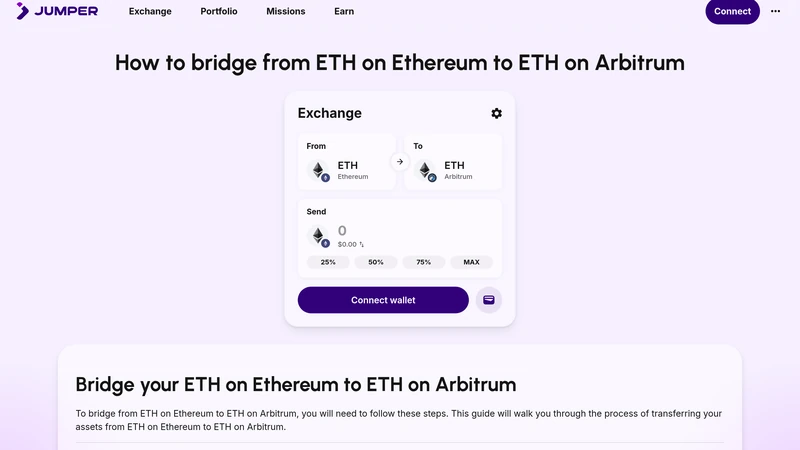
If you already hold ETH on Ethereum and want to trade, swap, or use apps on Arbitrum, bridging is the standard path. If you are buying fresh funds on an exchange that supports direct Arbitrum withdrawals, that route may be simpler. So the best move depends on where the ETH starts, not just where you want it to end up.
Bridge manually or withdraw directly?
Step 1: Make Sure Your Wallet Can View Arbitrum
Before you move anything, make sure your wallet is ready to show balances on Arbitrum. A successful bridge can still feel broken if the wallet is pointing at the wrong chain or if you never prepared the destination environment properly.
For the bigger picture, read our cross-chain bridge guide and our Arbitrum ecosystem tutorial via GMX.
Official bridge vs third-party route
Step 2: Choose the Route and Understand the Cost
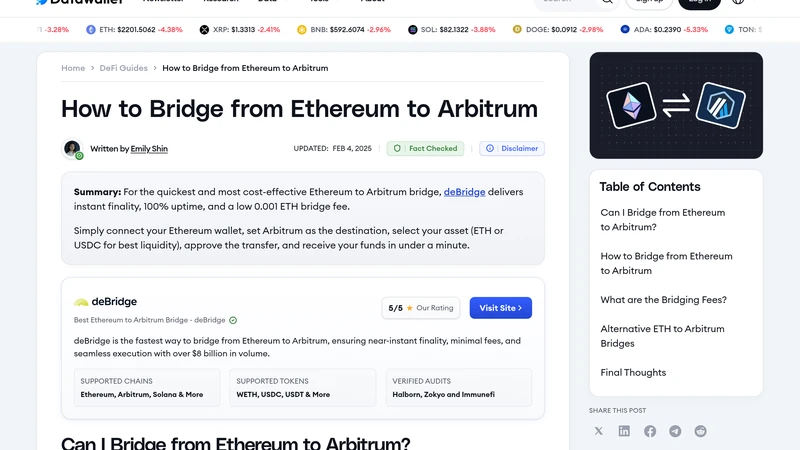
Not all routes feel the same in practice. Some bridges are optimized for simplicity, some for speed, and some for more protocol-native settlement. What never changes is the source-chain gas requirement. If the ETH starts on Ethereum mainnet, you still need ETH there to pay for the bridge transaction itself.
What to check before you click bridge
Step 3: Confirm Ethereum to Arbitrum, Then Send
Once the route is set correctly, confirm that the wallet address is yours, the amount is right, and the destination really is Arbitrum. If the amount matters, you can still test with a smaller send first. That is less common with bridge UIs than exchange withdrawals, but it is still valid risk control.
Step 4: Verify the ETH Balance on Arbitrum Before You Use It
After the bridge completes, switch the wallet to Arbitrum and confirm the balance before using the funds in swaps, dApps, or perp protocols. Arbitrum uses ETH for gas, so the bridged ETH becomes operationally useful as soon as it lands on the destination chain.
Common ETH to Arbitrum Mistakes to Avoid
Mistakes that hurt ranking and users alike
Frequently Asked Questions
Do I need ETH for gas before I bridge to Arbitrum?
Yes. If the ETH starts on Ethereum mainnet, you need ETH there first to pay for the bridge transaction.
Is it better to bridge ETH to Arbitrum or withdraw directly from an exchange?
If your exchange already supports direct Arbitrum withdrawals, that can be the simpler path. If you already hold ETH in self-custody on Ethereum, bridging is usually the natural route.
Why does the ETH not appear right away sometimes?
Usually because the wallet is still pointed at Ethereum instead of Arbitrum, or because the bridge transaction has not finalized yet.
Related reading
Disclaimer: This article is for educational purposes only and does not constitute investment, tax, or legal advice. Bridge routes, gas costs, and supported networks can change over time. Always confirm the live destination chain and wallet before moving funds.