TON Memecoins Guide: Top Tokens and How to Trade Them (2026)
— By Tony Rabbit in Tutorials

TON memecoins exploded in 2024 and 2025. This guide covers the top tokens, where to trade them, the scam patterns to avoid, and a checklist for evaluating any TON memecoin before clicking buy.
TON memecoins became a category in 2024 when Notcoin and Hamster Kombat brought tens of millions of new users into TON wallets. The infrastructure that supported those launches (cheap fees, Jetton standard, STON.fi and DeDust liquidity, Telegram distribution) ended up being a perfect breeding ground for the broader memecoin ecosystem. By 2026, TON memes are a mature, highly volatile sub-market with a familiar mix of legitimate culture-coins and outright scams.
Quick answer: TON memecoins are Jettons traded mostly on STON.fi and DeDust, with the largest names having centralized exchange listings. Notable tokens have included Notcoin (NOT), Hamster Kombat (HMSTR), DOGS, REDO, JET, MEME, and a long tail of community projects. The category is high-risk: most tokens lose value over time, scams are common, and the safe approach is treating any memecoin position as fully at risk.
- Most are Jettons. They trade like any other TON token through standard wallets.
- Liquidity sits on STON.fi and DeDust. Larger names also trade on centralized exchanges.
- Hype cycles are short. Most tokens peak quickly and bleed afterward.
- Verify the contract. Scammers reuse names and logos; only the master contract address is unique.
- Position sizing matters. Treat memecoin positions as fully losable risk.
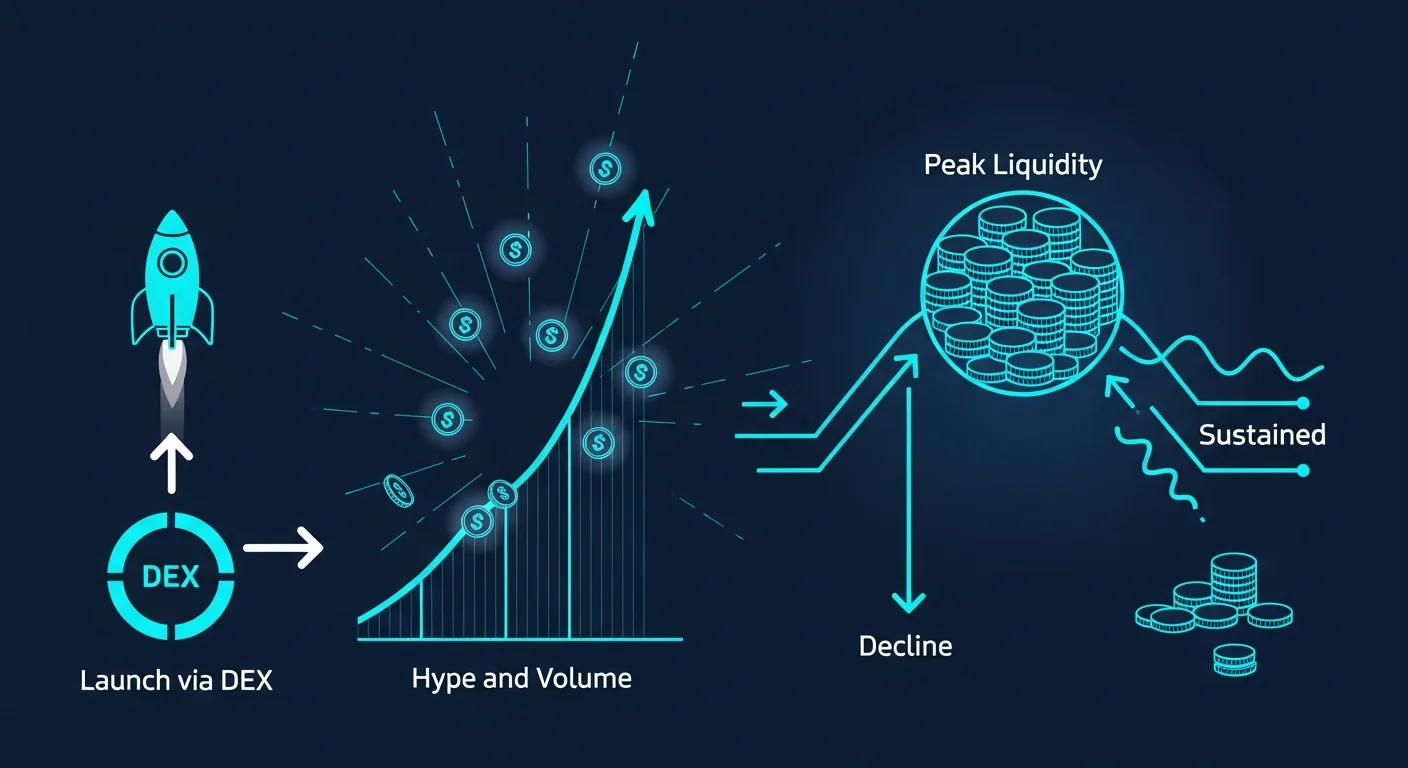
How a TON memecoin lifecycle usually plays out
Most memecoins follow a familiar pattern, with variations in size and timeline.
Trading memecoins on TON? Not.Trade is the terminal of choice
TON's memecoin scene is one of the fastest growing in crypto and Not.Trade is the fastest terminal on TON for catching launches early. Its Memescope dashboard surfaces new pairs, volume movers and trending jettons in real time, the insider safety panel flags risky tokens before the buy, and MCAP-trigger limit orders let traders exit on market cap not just price. Multi-wallet sniping and MEV protection ship by default.
Explore Not.Trade in depth →Launch and early liquidity
A team or community deploys a Jetton, seeds initial liquidity on STON.fi or DeDust, and announces the project through Telegram and X. The first hours and days are noisy: bots accumulate the early supply, price ramps quickly, and early buyers post big gains.
Hype and acceleration
If the token catches genuine attention, volume climbs sharply, the chart attracts new buyers, and centralized exchanges may list the token. The most successful memecoins reach hundreds of millions in market cap within weeks.
Distribution or migration
If the project survives the first wave, distribution broadens: airdrops, staking programs, exchange listings, and community campaigns spread tokens beyond the early holders. This phase determines whether the project becomes a sticky brand or fades.
Decline or stable cult
Most tokens enter a long decline as the original hype fades. A handful turn into long-term cult brands with active communities and ongoing development. The vast majority lose 80 percent or more from the peak.
Notable TON memecoins
The list is not a recommendation; it is a snapshot of what has mattered in the category.
Notcoin (NOT)
Notcoin defined the modern TON tap-to-earn wave and remains one of the most-traded TON memecoins by liquidity. The token is widely listed across centralized exchanges and DEXs.
Hamster Kombat (HMSTR)
HMSTR followed Notcoin with even larger viral reach. The launch produced one of the largest single distributions in crypto history. Post-launch performance has varied widely.
DOGS
DOGS launched as a Telegram-native memecoin tied to a long-time Telegram sticker character. The launch attracted a large number of holders thanks to a wide eligibility net.
The long tail
Beyond these names, dozens of smaller TON memecoins exist at any given time. Most have shorter half-lives and thinner liquidity. Some carry real community momentum; many do not.
How to trade TON memecoins
The mechanics are the same as any TON Jetton trade, with extra caution because of the volatility profile.
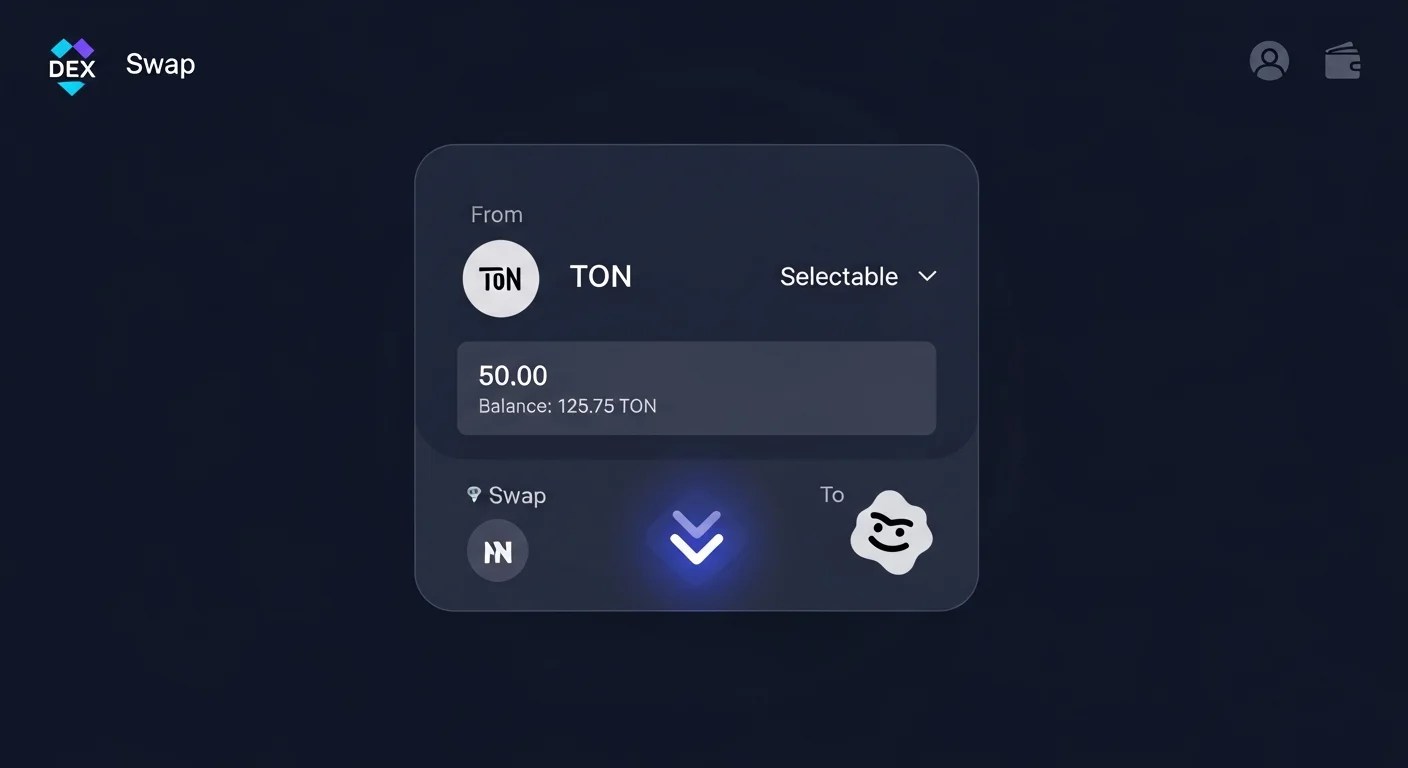
Connect a TON wallet
Open STON.fi or DeDust and connect Tonkeeper or another TON Connect wallet. Verify the domain on the wallet connection prompt.
Verify the contract
The single most important step. Always copy the master contract address from a trusted source (project's official channel, a verified directory). Scam tokens use identical names and logos.
Set slippage and trade
Memecoin pools often have higher price impact than blue-chip pairs. Slippage tolerance of 1 to 5 percent is common; anything above 5 percent should make you reconsider whether the trade is worth it.
Decide before you enter
Set a target exit and a stop level before clicking buy. The temptation to hold "just a bit longer" is what turns small wins into round trips.
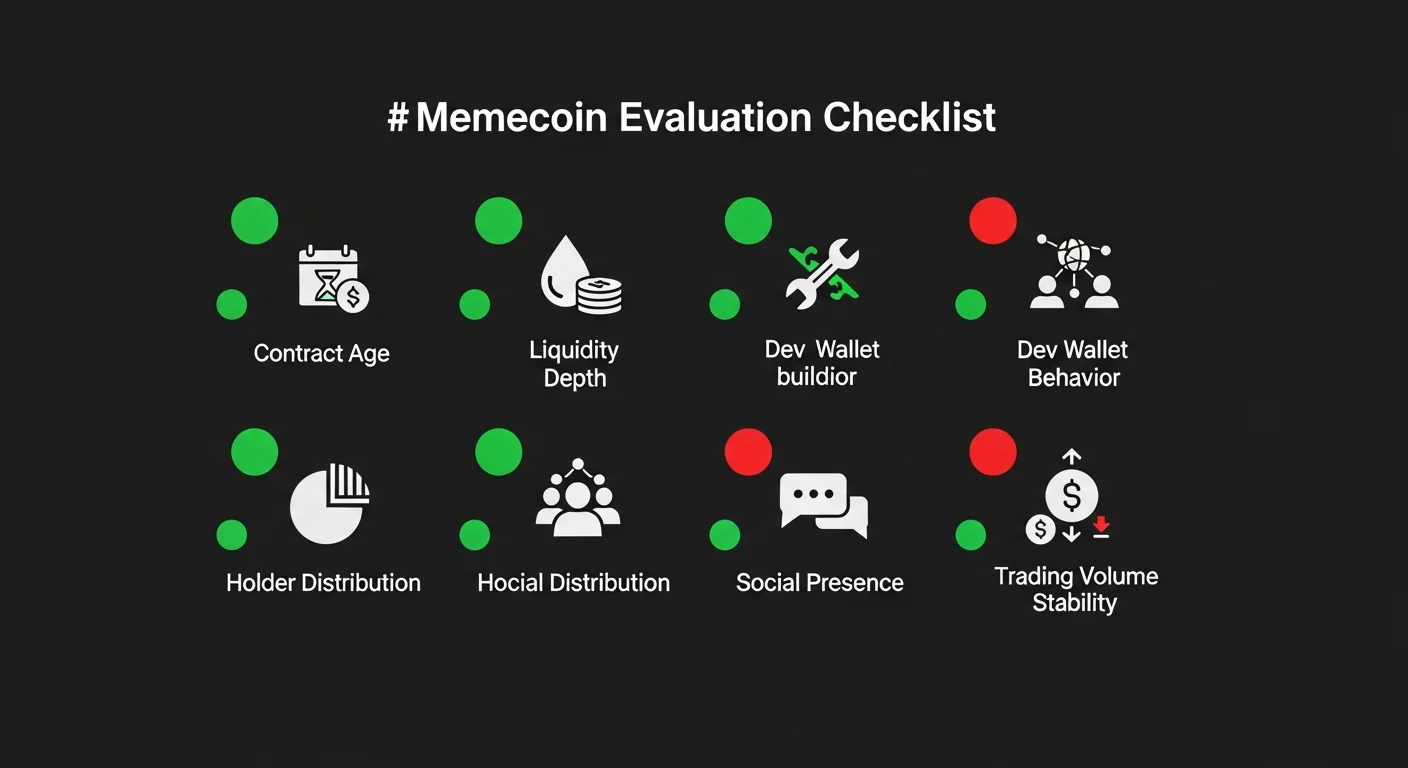
Evaluation checklist before buying
| Check | What you want | Red flag |
|---|---|---|
| Contract age | Several hours to days of clean trading | Brand new with rapid concentration |
| Liquidity depth | Reasonable depth on at least one DEX | Tiny pool, huge price impact |
| Holder distribution | Hundreds of holders, no top-wallet dominance | Top 5 wallets holding most of supply |
| Dev wallet behavior | Stable allocation, no aggressive accumulation | Dev buying back along the curve, then selling |
| Social presence | Real community, organic comments, dev replies | Bot replies, copy-paste hype |
Scam patterns to avoid
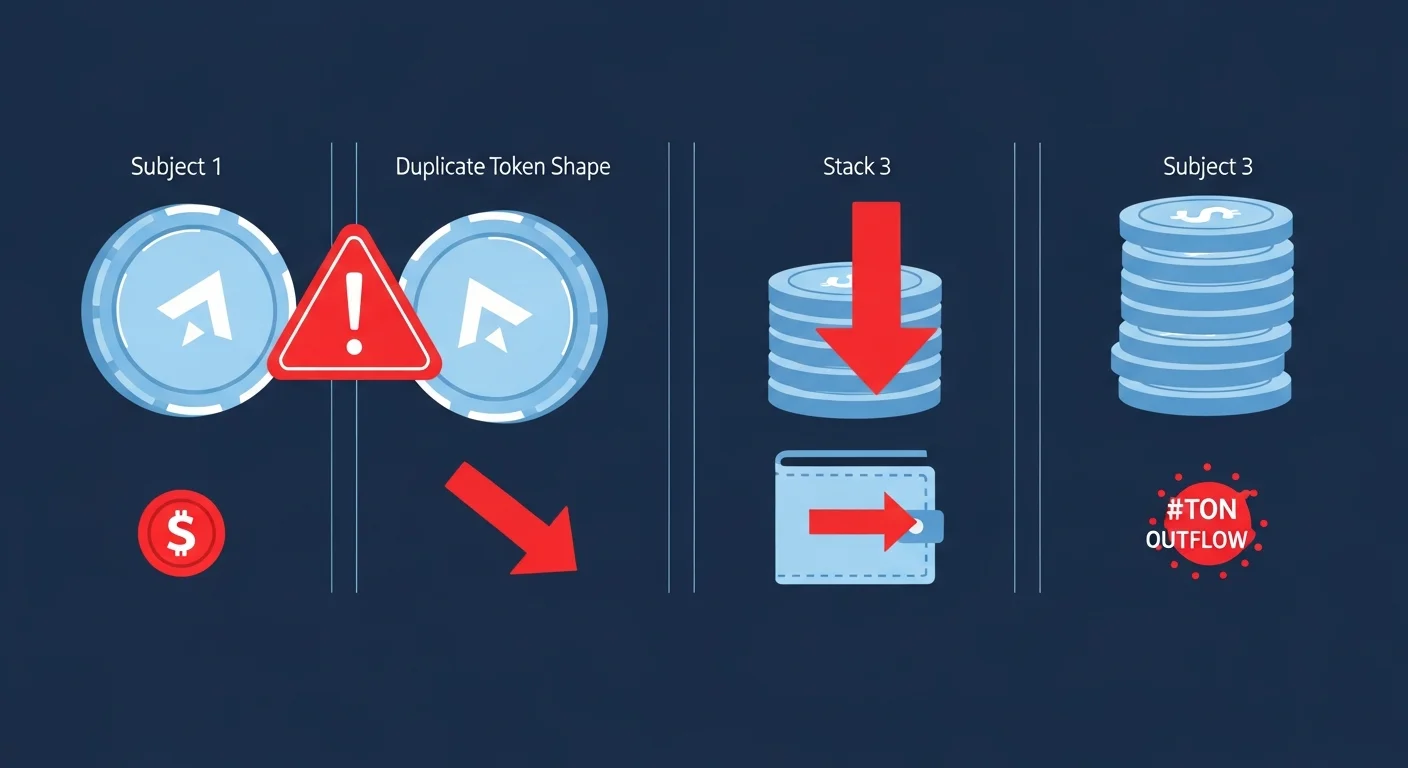
- Copycat tokens: identical name and logo, different contract address.
- Rug pulls: liquidity removed shortly after the price climbs, leaving holders with worthless tokens.
- Dev dump: the deployer accumulates a large fraction of supply on the curve and dumps after a price ramp.
- Fake promotions: influencer posts that turn out to be paid shills, not genuine endorsements.
- Sniper-only launches: bots take the first blocks at near-zero curve price and sell into retail.
Risk management for memecoin trading
The category will always be high-risk. The risk-management framework is mostly the same as any speculative trading.
Position sizing
Use a risk budget you can fully lose without affecting your other plans. A common rule is that no single memecoin position is more than 1-2 percent of total portfolio for moderate traders, lower for conservative.
Profit taking
Take partial profits early. The vast majority of memecoin charts give you the chance to lock in something within hours of entry, and then take it back if you do not act.
Stops and walk-away rules
Decide your maximum loss before entering. Walk away when you hit it instead of "doubling down to recover."
Practical workflow for TON memecoin trades
- Verify the contract address. Never trust the name or logo alone.
- Check holders and liquidity before clicking buy.
- Use a fresh wallet for risky trades. Keep your main TON balance elsewhere.
- Plan exit before entering. Set targets and stops in advance.
- Take partial profits early. Most charts do not give a second chance to lock in gains.
Frequently asked questions
What are TON memecoins?
Jettons on TON traded primarily for cultural and speculative reasons rather than for protocol utility. They include Notcoin, Hamster Kombat, DOGS, and a long tail of smaller tokens.
Where do I trade TON memecoins?
STON.fi and DeDust are the leading TON DEXs. Larger names are also listed on centralized exchanges.
Are TON memecoins safe?
No. The category is high-risk. Most tokens lose value over time and scams are common. Only allocate capital you are willing to lose entirely.
How do I avoid scams?
Verify the master contract address, check holder distribution, watch dev wallet behavior, and avoid tokens with empty or bot-driven social presence.
Can I make money on TON memecoins?
Some traders do. Most do not. The expected value of memecoin trading without strict risk management is negative for most participants.
Final takeaway: TON memecoins are a mature, high-risk subcategory of the TON ecosystem. They reward fast reactions and ruthless risk management. Verify everything, size positions small, and treat the category as gambling-adjacent rather than as long-term investment.
Disclaimer: This guide is for educational purposes only and does not constitute investment, financial, legal, or trading advice. Most memecoin positions lose value over time.
Related Guides
- Not.Trade Limit Orders: TON Memecoin MCAP Triggers Guide 2026
- How to Snipe TON Memecoins with Not.Trade (2026 Guide)
- Pump.fun Tutorial 2026: How to Launch & Trade Memecoins
- Top 3 TON Trading Terminals 2026: Not.Trade vs STON.fi vs DeDust
- TON Terminal: Complete Guide to Not.Trade - The Fastest TON Trading App (2026)