Spotting Crypto Opportunities Early
— By Whatsertrade in Tutorials
Learn to spot smart money in crypto before tokens surge. Understand wallet behaviors, volume trends, and liquidity signals like a pro.
Every parabolic chart you scrolled past on X had a quiet beginning. Days, sometimes weeks before the green candles, a handful of wallets were already loading the bag while the timeline yawned. Those wallets are what the trading underground calls smart money, and identifying them before the surge, not after the printer brrrs, is the single highest-leverage skill an on-chain trader can develop in 2026.
This guide is built for the power user who is already comfortable opening a block explorer and wants the operating manual for pre-surge smart money detection. We will dissect the data sources (Nansen, Arkham, GMGN, DEXtools Smart Wallets, Birdeye Top Traders, Cielo), define a hard scoring rubric for what counts as a smart wallet, document the cohort accumulation pattern that historically precedes 5x to 50x moves, walk through real case studies (HYPE, ONDO, BRETT), and finish with an automation playbook that pipes alerts into your Telegram before the algorithms front-run you.
If you came here for vibes and hype watching, the back button is at the top of your browser. If you came here to build a repeatable, on-chain edge that survives bull and bear, keep scrolling. By the end you will have a checklist you can apply to any token, any chain, any week of the year.
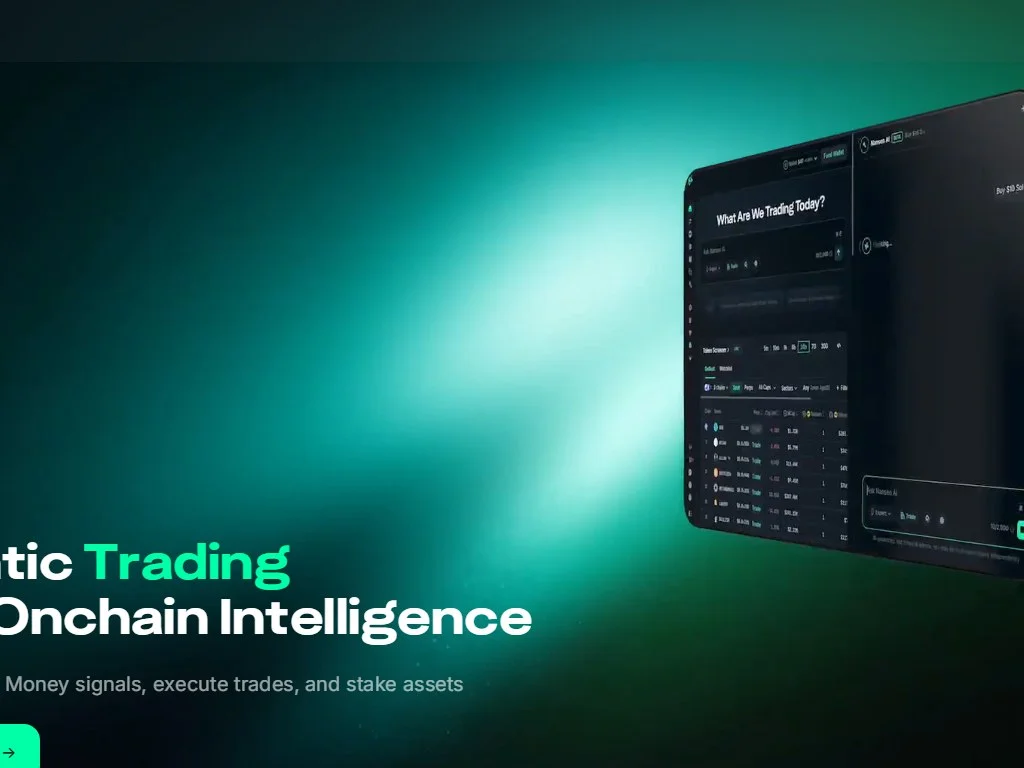
What Pre-Surge Smart Money Identification Actually Means
Pre-surge smart money identification is the practice of using on-chain wallet labels, profitability data, and accumulation timing to detect a cluster of historically successful traders entering a token before its price breakout becomes obvious on social media or charting tools. Unlike reactive whale watching, which alerts you after the move has already happened, the pre-surge framework focuses on positioning that precedes price discovery by 24 hours to several weeks.
The distinction matters because most retail-facing "whale alerts" fire on transactions above an arbitrary dollar threshold long after smart wallets have finished accumulating. By the time a Whale Alert tweet shows up, you are not the early money. You are exit liquidity for someone who built their position when the chart still looked dead.
Real pre-surge identification has three pillars: a curated list of wallets whose track record statistically beats the market, a behavioral pattern (cohort buying inside a tight time window), and a context check (liquidity, narrative, and structure) that filters out noise. Get all three aligned and your hit rate jumps. Skip one and you are gambling with extra steps.
Smart money in crypto refers to wallets owned by traders, funds, or insiders with a documented history of buying tokens before significant price appreciation. Identifying them before a surge requires three signals working together: a validated wallet label, a cohort of five or more unrelated smart wallets accumulating within a 24 to 48 hour window, and a clean structural setup (liquidity, holder distribution, narrative fit) that supports a sustained move.
A Brief History of On-Chain Wallet Tracking
Tracking smart money is not new, but the tools have only become precise in the last four years. The earliest on-chain detectives in 2017 relied on Etherscan and spreadsheets, manually tagging known fund wallets like Polychain and Alameda. That changed in 2020 when Nansen launched its Smart Money labels, applying machine learning to cluster wallets by behavior and profitability. Suddenly anyone with a subscription could see what the top performers were buying.
Arkham Intelligence followed in 2022 with its entity-resolution graph, letting users link addresses to known people, funds, and exchanges. GMGN appeared in 2023 as the Solana memecoin trader's weapon of choice, surfacing top performing wallets by realized profit. By 2024, Birdeye Top Traders, DEXtools Smart Wallets, and Cielo's free wallet tracker had democratized tools that used to cost five figures a year for hedge funds.
The takeaway is that the data is more accessible than ever. The remaining edge is in interpretation: knowing which wallets to trust, what cohort patterns matter, and when to act versus when to fade. That interpretation layer is what separates the trader who buys ONDO at $0.20 from the one who buys it at $1.80 after seeing the same wallet alert.
The Data Sources Every Power User Needs
You cannot identify smart money without good data. The following stack covers every major chain and signal type. Most professional on-chain analysts run three or four of these in parallel because no single tool catches everything.
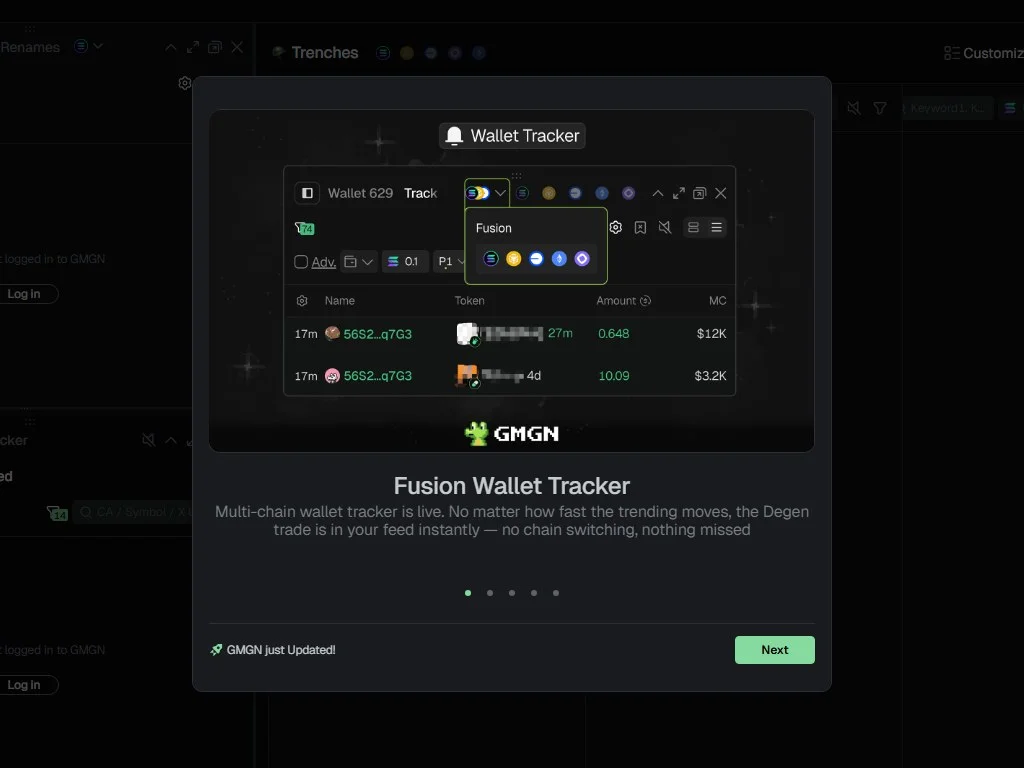
Each tool catches a different slice of the market. Nansen excels at institutional flow and is the gold standard for ETH ecosystem analysis. Arkham wins on real-world entity resolution, which is invaluable when you want to know if a wallet belongs to a known fund or a Jump Trading desk. GMGN and Birdeye are dominant on Solana, where memecoin season produces hundreds of thousands of new wallets weekly. DEXtools Smart Wallets shines for pair-level analysis on niche chains, and Cielo is the alert layer that ties it all together with free Telegram piping.
Pro tip: do not rely on a single platform's labels. Nansen might flag a wallet as Smart Money based on stablecoin yield farming history, while that same wallet has never picked a memecoin winner. Cross-reference at least two sources before adding a wallet to your watchlist.
How to Score a Wallet as Smart Money
Anyone can call a wallet "smart" after it nails one trade. Survival bias is the biggest enemy of on-chain analysis. Before you add a wallet to your tracker, run it through a hard scoring rubric that filters luck from skill.
Realized PnL above 80% across at least 30 closed trades. Single moonshots do not count. Look for grinders, not lottery winners.
Above 60% over a meaningful sample. Anything below is a coin flip with extra confidence bias.
Three or more entries inside the first 5% of supply distribution on subsequent winners. This is the pre-surge fingerprint.
Less than 10% of historical entries on obvious rugs or honeypots. Wallets that step on landmines are not smart, they are just funded.
Active in the last 14 days. Dead wallets cannot front-run anything. Markets evolve fast and stale wallets miss new metas.
Holds for days or weeks, not seconds. Sandwich bots and MEV searchers will trigger your alerts but offer zero signal.
A wallet that scores 4 or more out of 6 is worth tracking. A wallet that scores all six is your highest weighted signal. Build a spreadsheet (or a Dune dashboard if you are comfortable with SQL) and grade every candidate before adding them to your alert feed.
The recency check is the one most traders skip. A wallet that went 10x on $WIF in 2024 but has been dormant for six months is statistically useless today. The memecoin meta rotates, narratives shift, and the wallets that printed last cycle are not always the wallets printing this one. Re-grade your list every 30 days.
The Cohort Accumulation Pattern: The Pre-Surge Fingerprint
One smart wallet entering a token is a coincidence. Three is a coincidence with extra steps. Five or more unrelated smart wallets entering within a 24 to 48 hour window is the cohort accumulation pattern, and it is the single most reliable pre-surge fingerprint in on-chain analysis.
The word unrelated is doing heavy lifting. If five wallets are funded by the same source address, or share the same withdrawal pattern from the same CEX deposit, they are likely one entity using multiple wallets to obfuscate position size. That is still useful information (it tells you someone has high conviction), but it is not a cohort signal. A true cohort is five independent actors arriving at the same trade thesis without coordinating.
The accumulation usually shows three sub-patterns that, combined, raise the signal strength considerably. First, low-cost-average buying via dollar cost averaging into illiquid pools. Smart money rarely market-buys a thin pool. They split the order across hours or days. Second, accumulation under low overall volume, also known as stealth accumulation. The chart looks dead, but your wallet feed lights up. Third, multiple unrelated entry methods (some via Jupiter, some via Uniswap, some via 1inch), suggesting independent traders rather than a single coordinated buyer.
When all three sub-patterns appear in a 48 hour window, the historical hit rate for at least a 3x move within 30 days is meaningfully above the base rate of random token selection. Not every cohort signal hits, but the expected value over a portfolio of 20 such trades has historically been positive after fees.
Pre-Launch and Early Stage Signals
The earliest pre-surge signals appear before the token is even tradable. These are the highest-leverage signals because by definition no chart exists yet to FOMO into. They require more legwork but the asymmetry is unmatched.
Whitelist participation patterns. When a launch is upcoming, smart wallets often participate in whitelists, NFT pre-mints, or testnet activities. Tracking the wallets that grinded the Hyperliquid points program in 2024 gave traders a head start on the HYPE airdrop. Similar opportunities exist constantly: the trick is reading project documentation and identifying which on-chain actions correlate with future allocations.
Insider clustering pre-LP. Before liquidity is added, the deployer wallet, the team wallet, and any pre-sale participants are visible on the chain. If the deployer is funded from a known smart money wallet or a fresh wallet that was itself funded by a profitable trader, that is a meaningful pre-launch signal. Use Arkham or a manual Etherscan crawl to map the funding graph.
Fresh wallets funded from CEX OTC routes. A surge of brand new wallets receiving identical amounts from a CEX hot wallet is the fingerprint of a private allocation round. Sometimes this is benign (a fund distributing to multiple cold wallets). Sometimes it is a coordinated buy preparing to enter a low-cap launch. Either way, it is a signal worth flagging.
Smart contract deployments by known builders. If a developer whose previous contracts pumped is deploying a new token, that deployment event itself is a signal. Set up Etherscan alerts on builder addresses. Many of the biggest moves of the last two years started with a deploy event that a few hundred wallets caught immediately and the rest of the market discovered three weeks later.
Real Case Studies: The Pattern in the Wild
Theory is only useful if it survives contact with reality. Here are three case studies where the cohort accumulation pattern appeared on-chain before the surge became obvious. Each one is verifiable by anyone with access to the relevant analytics tool.
Case Study 1: HYPE (Hyperliquid Airdrop, Late 2024)
The Hyperliquid airdrop was the most anticipated event of Q4 2024, but the pre-listing positioning was visible weeks in advance. Wallets that had grinded Hyperliquid testnet volume and participated consistently across all six pre-launch points epochs accumulated USDC on Arbitrum in the days before the snapshot. Nansen tagged dozens of fund wallets transferring stablecoins into known Hyperliquid deposit addresses 72 hours before the airdrop claim opened.
The cohort signal: more than 200 wallets identified as Smart Money by at least one labeling provider claimed within the first hour and immediately held rather than dumping. Retail saw HYPE list at $4 and called it a top. The smart money cohort held, accumulated more, and watched the token reach multi-billion fully diluted valuation over the following months.
Case Study 2: ONDO (Real World Asset Accumulation)
ONDO presents a different flavor of pre-surge signal: institutional accumulation in a regulatory tailwind narrative. Throughout late 2024 and early 2025, wallets associated with tradfi-adjacent funds (visible on Arkham's entity graph) accumulated ONDO tokens at prices well below the eventual surge. The accumulation happened in measured tranches, with no single large print to trigger Whale Alert bots.
The cohort pattern emerged when at least eight independent fund wallets crossed the 5% portfolio allocation threshold within a two week window, coinciding with growing chatter about RWA tokenization. The subsequent move took ONDO from sub-dollar to multi-dollar territory. Traders who watched the wallet feed got in months before the headlines caught up.
Case Study 3: BRETT (Base Memecoin Early Buyers)
BRETT is the textbook Solana-vibe memecoin breakout that happened on Base instead. In the first 48 hours after liquidity was added, GMGN and Birdeye Top Traders both showed a cluster of profitable wallets entering with sub-$5,000 buys. Most of these wallets had a history of catching Base memecoin launches early, with documented win rates above 65% on similar setups.
By hour 72, the cohort had grown to over a dozen smart wallets, total smart money buying volume exceeded $200,000, and the chart was still flat. The surge that followed (multi-hundred-x at peak) was caught by the wallet trackers a full week before crypto Twitter discovered the ticker.
Correlation With Influencer Mentions
One of the most underrated edges in pre-surge identification is the negative correlation between smart money entries and influencer shills. Smart money almost always enters before paid crypto Twitter promotion. By the time a top influencer tweets a token, the smart wallets are typically two to four weeks deep into the position and starting to scale out.
This creates a counterintuitive playbook: when you see smart wallet accumulation and zero influencer noise, that is the buy. When the influencer wave hits, that is your signal to start trimming. The order of events is almost always wallets first, narrative second, influencers third, retail fourth, top fifth.
You can test this yourself. Pick any major memecoin or alt that ran in the last two years. Plot the first cohort accumulation date and the first top-tier influencer mention. The gap is rarely under 14 days. Often it is 30 to 60. Use that gap as your edge.
Entry Triggers: When to Actually Buy
Identifying smart money is half the job. Acting on the signal at the right moment is the other half. Most traders identify the cohort correctly and then either FOMO too early (single wallet) or hesitate too long (waiting for confirmation that erases the edge). Use a hard rules-based entry trigger to remove discretion.
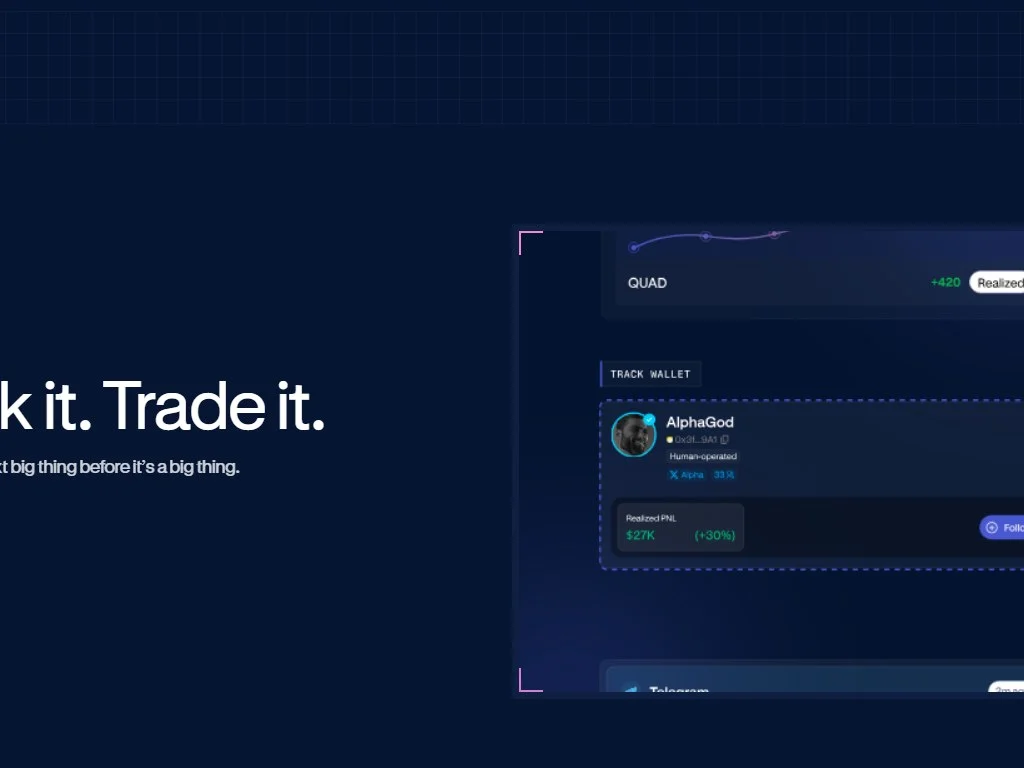
Enter a token when five or more unrelated smart wallets have accumulated within a 6 to 24 hour window, AND at least one of those wallets has allocated more than 5% of its portfolio to the position. The 5% allocation threshold is a conviction filter, separating exploratory dabbles from real position-taking.
Secondary confirmation: the token has at least $50K liquidity, holder distribution shows no single wallet above 15% of supply, and the deployer wallet has renounced or locked LP.
Two complementary triggers expand the playbook. A volume confirmation trigger fires when 24 hour volume crosses a multiple of the smart money buy volume, suggesting non-cohort participants are starting to enter, which validates the thesis. A narrative trigger fires when on-chain accumulation aligns with a building narrative on X, Discord, or Farcaster (RWA, AI agents, Solana memes, Bitcoin DeFi, whatever the current meta).
The worst entries happen on a single wallet trigger combined with euphoria. The best entries happen on multi-wallet triggers combined with relative silence. Train yourself to feel the discomfort of buying when nothing else confirms the signal except the on-chain pattern.
Filtering Noise: When the Signal Is a Trap
Smart money tracking has well-documented failure modes. Knowing them is what separates a sustainable edge from a streak that ends in a 90% drawdown. Three failure modes account for the majority of bad signals.
Wallets that touch every token via MEV extraction. High PnL, zero predictive value. Filter by hold time greater than 1 hour.
Team-related wallets buying their own token to fake demand. Cross-check funding source. If wallets share a CEX deposit fingerprint, fade.
Even the best wallets are wrong 30 to 40% of the time. A signal is a probability, not a guarantee. Size accordingly.
Sandwich bots are the most common false signal. A wallet that shows up in your tracker for hundreds of tokens a day, with average hold times under one minute, is almost certainly a MEV bot. Its PnL might be enormous but its predictive value for sustained price moves is zero. Filter aggressively by hold time: require at least one hour of holding before counting a wallet's buy as a cohort signal.
Insider farming is harder to detect but follows a clear funding fingerprint. If five "independent" smart wallets were all funded from the same CEX deposit within a week of each other, that is not a cohort. That is one entity using multiple addresses. Map the funding graph back two or three hops using Arkham or Etherscan's wallet history before trusting a cohort signal.
The third failure mode is the hardest to accept: smart money is wrong sometimes. Even the best wallets have win rates in the 60 to 70% range, which means three or four trades out of ten are losers. The edge comes from position sizing and the asymmetric payoff structure, not from any single wallet being correct. Internalize this or you will rage-quit after your first three losing trades and abandon a strategy that would have worked over 50.
Risk Management: Sizing the Tail
Even with a perfect detection framework, the wrong sizing will blow your account. Smart money signals are probabilistic, not guaranteed. Three sizing rules separate sustainable on-chain traders from one-cycle wonders.
Never all-in on one signal. No matter how clean the cohort pattern looks, no single trade should exceed 5% of your speculative capital. Smart money pre-surge bets are designed to be a portfolio strategy, not a high conviction single bet. Run 20 of them concurrently and let the law of large numbers do the work.
Size with the cohort, not against it. If smart wallets are allocating an average of 3% of their portfolio to a token, do not allocate 50% of yours. Match the relative conviction. The wallets you are following are typically large enough that 3% is a meaningful position. For you, matching that relative size keeps you in the same risk regime as the people whose signal you are using.
Time horizon match. If the smart wallets are holding for 30 days, you cannot bail at day three because of a 20% drawdown. Read the historical hold patterns of the cohort before entering and align your expectations. Mismatched time horizons are the silent killer of copy-trading strategies.
Pair your entry plan with an exit plan documented before you buy. Define your invalidation criteria (what makes the thesis wrong) and your profit-taking ladder (where you scale out). Without these, you are trading on vibes again, which is exactly what this framework is supposed to replace. For deeper risk concepts, study liquidation zones and backtesting your strategy before deploying real capital.
Automation Playbook: Pipe Signals to Your Phone
Manual smart money tracking does not scale. By the time you check your dashboard, refresh, and copy a contract address, the bots have already filled the order book. Automation is mandatory for serious pre-surge detection. The good news is that the stack is cheap or free.
The minimum viable stack is Cielo plus a Telegram channel. Add your top 30 to 50 smart wallets to a Cielo organization and configure alerts for buys above a token-relative threshold (for example, alert me when any of these wallets buys a new token they did not previously hold). Pipe to a dedicated Telegram channel and use channel notifications, not phone-wide pings, to avoid alert fatigue.
For cohort detection specifically, a Dune dashboard is unmatched. Write a SQL query that joins your smart wallet list against the past 24 hours of token trades and groups by token contract, counting unique smart wallets per token. Sort descending. The tokens at the top are your active cohort signals. Refresh every hour. Most professional on-chain analysts have a query exactly like this running in the background.
For the highly technical, a custom Telegram bot is the endgame. Use the Helius API on Solana or Alchemy on EVM chains to subscribe to your watched wallets, parse their transactions, and forward formatted alerts to your channel. This eliminates dependence on third-party platforms and gives you full control over filter logic.
Pre-Surge Smart Money vs Reactive Whale Watching
Most retail tools and free trackers focus on reactive whale watching, alerting after the move has begun. The pre-surge framework operates at a fundamentally different timing. Understanding the difference is the difference between being early and being exit liquidity.
This is also why most copy-trade bots underperform. They copy after the trade is on-chain, which means after the smart wallet has already had time to fill at the best prices. By the time the bot mirrors the position, the slippage has eaten the edge. The pre-surge framework requires you to define the cohort manually, set thresholds carefully, and act on aggregate signals rather than blindly mirroring individual trades.
Step-by-Step: Your First Week Setting This Up
Theory without action is procrastination. Here is a seven day plan to go from zero to a working pre-surge detection system. Each day takes one to three hours of focused work.
Solana for memecoin season, ETH/Base for narrative plays, BNB for low cap pumps. One chain per week.
Pull top 100 wallets from Nansen, GMGN, Birdeye. Filter by win rate, ROI, hold time.
Run the 6 criteria rubric. Drop anything scoring below 4. You should end with 30-50 wallets.
Add wallets to a Cielo organization. Configure Telegram channel. Filter for new token buys only.
SQL query joining your wallet list against recent token trades. Sort by unique smart wallets per token.
Log every cohort signal in a spreadsheet. No real capital yet. Track 7 day and 30 day outcomes.
Which signals worked? Which failed? Update your wallet list and trigger thresholds.
Most traders skip days six and seven and lose money in week two. The paper trading and refinement loop is what turns a generic framework into your personal edge. After 30 days of logging and reviewing, you will have intuitions about which wallets, which chains, and which signal combinations work best for your style.
Common Mistakes That Kill the Edge
The framework works. The mistakes that kill it are almost always discretionary errors, not flaws in the system itself. The five most common ones to watch for:
Trusting a single wallet. One wallet does not make a cohort. If you see a single smart wallet enter and you buy because the wallet is famous, you are gambling on social proof, not statistical edge. Wait for the cohort.
Ignoring liquidity context. A perfect cohort signal on a token with $5,000 of liquidity is still a death trap. Slippage and rug risk overwhelm the signal. Set a minimum liquidity threshold and stick to it.
FOMO entries after the surge starts. The whole point of the framework is to be early. If the token is already up 200% from the cohort entry price, the edge is gone. Wait for the next cohort signal somewhere else.
Not updating the wallet list. Smart wallets in the memecoin meta of 2024 are not the same as the smart wallets of 2026. Re-grade monthly. Drop dormant wallets. Add new performers.
Trading without an exit plan. Identifying the entry is half the work. Define the exit ladder, the invalidation criteria, and the time horizon before you click buy. Otherwise the cognitive dissonance of holding through a drawdown will force a bad decision. Review the broader principles in VWAP analysis and long vs short positioning for additional context.
Tools Comparison: When to Use What
Each tool in the stack has a sweet spot. Knowing which to use when saves time and surfaces signals faster.
Use Nansen when: you are researching ETH ecosystem tokens, tracking institutional flows, or want pre-built dashboards for token god mode analysis. Best for narrative-driven plays and large cap rotation.
Use Arkham when: you need to know who is behind a wallet. Real-world entity resolution is unmatched. Critical for OTC tracking, fund attribution, and forensic analysis.
Use GMGN when: you are trading Solana memecoins. The realized PnL leaderboards and pair-level smart wallet flagging are the gold standard for Solana memecoin season.
Use DEXtools Smart Wallets when: you are researching a specific token on a specific pair. The integrated chart-plus-wallet view is unmatched for tactical pre-entry analysis.
Use Birdeye when: you want fast Solana leaderboards with strong UX and don't need the depth of GMGN's profitability data.
Use Cielo when: you want real-time alerts piped to Telegram or Discord without writing code. The free tier covers most use cases for serious traders.
Use Dune when: you want custom queries that no platform offers out of the box. Cohort detection is the killer Dune use case for this framework.
Best Practices for Long Term Edge
Frameworks decay as they become widely known. Smart money tracking was alpha in 2021 and is now table stakes. To stay ahead of the curve, treat your detection system as a living organism. Refine it constantly.
Rotate your wallet list aggressively. Wallets that printed in one meta are not guaranteed to print in the next. Onboard new wallets that appear consistently in new winners. Remove wallets that go dormant or whose hit rate decays.
Stack multiple uncorrelated signals. The strongest setups have on-chain cohort, narrative tailwind, technical structure, and a clean security profile all aligned. Any single signal in isolation is weaker than the combination.
Document everything. Every signal you take, every signal you skip, every outcome. The data set you build for yourself in 90 days is more valuable than any course or guru. Patterns emerge from logs that you cannot see in real-time.
Pair on-chain with off-chain intel. Telegram groups, Farcaster channels, and Discord communities surface narrative shifts before they hit X. The cohort accumulation often correlates with chatter in private channels weeks before public mention. For technical foundation, brush up on how cryptocurrencies work and DeFi fundamentals so you can quickly evaluate whether the narrative makes structural sense.
Stay humble about edge decay. Every alpha leaks eventually. Have multiple frameworks in your toolkit, not just one. Diversify across detection methods the same way you diversify across positions.
Frequently Asked Questions
Q Q Q How many smart wallets do I need to see before I should consider buying?
A reliable cohort signal requires at least five unrelated smart wallets accumulating within a 24 to 48 hour window. Fewer than three wallets is statistical noise. Three to four is suggestive but weak. Five or more is the threshold where the historical hit rate becomes meaningfully positive. The signal strengthens further if one of those wallets has allocated more than 5% of its portfolio to the position.
Q Q Q What is the difference between smart money and a whale?
A whale is defined by wallet size, holding millions of dollars in a token regardless of trading skill. Smart money is defined by track record, consistently entering profitable positions before the broader market. A whale can be smart money, but most whales are simply early holders who got lucky. Smart money is identified through behavioral analysis (consistent ROI, high win rate, early entries) rather than dollar amounts.
Q Q Q Can I track smart money for free or do I need paid tools?
You can build a competitive system entirely on free tools. GMGN, Birdeye basic, DEXtools Smart Wallets, Cielo Finance, Arkham Intelligence free tier, and Dune Analytics public dashboards cover the core workflow. Paid tools like Nansen offer more depth and curated labels, but the underlying on-chain data is public and accessible. The edge comes from how you combine the data, not which subscriptions you have.
Q Q Q How do I know if a smart wallet is actually a sandwich bot?
Sandwich bots and MEV searchers show a distinctive pattern: hundreds of token interactions per day with hold times under one minute. Filter your wallet list by minimum hold time (one hour or more) to exclude them. Additionally, sandwich bots typically interact with tokens through specific MEV-optimized contracts rather than standard DEX routers, which is visible in transaction history. If a wallet's average position duration is in seconds, it is a bot and offers no predictive value.
Q Q Q What chains should I focus on for pre-surge identification?
In 2026, Solana dominates memecoin and high-velocity launches with the deepest pool of trackable smart wallets via GMGN and Birdeye. Base has emerged as the dominant EVM chain for narrative-driven memecoins and Coinbase-adjacent plays. Ethereum mainnet remains the home of institutional flow and large cap rotation, tracked via Nansen. Pick one chain to master before expanding. Multi-chain coverage from day one usually means weak coverage on every chain.
Q Q Q How often should I refresh my smart money wallet list?
Refresh your wallet list every 30 days at minimum. Memecoin metas rotate fast, narratives shift, and wallets that dominated one cycle often go quiet in the next. Drop wallets that have been inactive for more than 14 days. Add new wallets that have appeared consistently in recent winners. Treat your wallet list as a living document, not a one-time configuration.
Q Q Q What is the expected hit rate of cohort signals?
A well-constructed cohort signal (five or more scored smart wallets in a 24 to 48 hour window with secondary confirmation) historically produces a positive expected value, with the upside being asymmetric. Individual trade hit rates vary by chain and meta, but rough guidance is 40 to 55% of signals reach 2x within 30 days. The economics work because losers are typically 30 to 50% drawdowns while winners can be 3x to 50x. Position size accordingly so you can stomach the loss rate.
Q Q Q Should I copy-trade smart wallets directly?
Direct mirror-style copy trading underperforms cohort-based discretionary entries. Copy trading bots execute after the smart wallet's transaction is confirmed on-chain, meaning you fill at a worse price and miss the front of the order book. The pre-surge framework instead uses smart money signals as one input among several, with your own entry decision incorporating liquidity, holder distribution, and narrative confirmation. Discretion plus framework beats blind mirroring.
Q Q Q What is the relationship between smart money entries and influencer mentions?
Smart money almost always enters before paid or organic influencer mentions. The typical gap is 14 to 60 days between the first cohort accumulation and the first major influencer tweet. Smart wallets accumulate during silence, hold through narrative formation, and often start distributing to retail FOMO once the influencer wave peaks. Use influencer mentions as a trim signal, not an entry signal.
Q Q Q How do I avoid getting trapped by insider farming disguised as smart money?
Map the funding graph of suspected cohort wallets back two or three hops. If multiple wallets in the cohort were funded from the same CEX deposit within a short time window, they are likely one entity, not an organic cohort. Use Arkham's entity tools or manual Etherscan analysis to surface common funding sources. Also check whether the wallets have prior trading history beyond this token. Fresh wallets with no track record are red flags, even if a labeling provider has flagged them as smart.
Conclusion: Build the System, Then Trust It
Pre-surge smart money identification is not a magic trick. It is a system. The system has clear inputs (curated wallet list, recency-checked behavior, cohort detection), clear triggers (five plus wallets, 6 to 24 hour window, 5% portfolio threshold), and clear risk management (position sizing, time horizon match, documented exit plan). When you operationalize all three layers, your hit rate becomes a function of process discipline, not gut feel or hype consumption.
The difference between the trader who buys BRETT at $0.001 and the trader who buys at $0.01 is rarely insider information. It is usually a better detection system, executed with patience and refined over months of observation. Build the system this week. Refine it next month. Trust it next quarter.
Start with one chain. Build one wallet list. Run one Cielo organization. Log every signal. After 90 days of disciplined application, you will have data, intuition, and a repeatable edge that survives market regimes. The traders who win in 2026 are the ones who treat on-chain analysis as a system to engineer, not a chart to stare at. Pair this framework with strong wallet security practices and a burner wallet strategy when entering low-cap tokens, and you have the foundation for a serious on-chain trading career.
Use the DEXtools Smart Wallets feature on any token pair to start cross-referencing your cohort against pair-level on-chain activity. Combine with Cielo alerts and a 30 day paper trading log to validate signals before risking capital.
Next: Detect Fake Volume on Crypto Charts