Solana Airdrop Checker: Check Eligibility & Avoid Scams (2026)
— By Tony Rabbit in Tutorials
Use a Solana airdrop checker to see if you qualify for airdrops and verify they are safe before you claim. Check eligibility, spot scams and claim safely.
To safely check Solana airdrop eligibility, only use your public wallet address and verify claim URLs directly from official project Twitter or Discord channels. Never share seed phrases or private keys. Use a dedicated hot wallet for claims, and be aware that any request to deposit SOL to claim an airdrop is always a scam.
Solana airdrops have distributed hundreds of millions of dollars to early users since 2024. Jupiter alone gave away over $700 million in its first airdrop. But for every legitimate opportunity, there are dozens of scam sites designed to drain your wallet.
This guide covers everything you need to know about checking Solana airdrop eligibility safely - from the tools that actually work to the red flags that should make you close a tab immediately.
✔ Verify the claim URL on the project's official Twitter/Discord - not from DMs or reply threads
✔ Use a dedicated hot wallet for claims - keep main funds in a separate cold wallet
✔ If they ask you to deposit SOL to claim, it's a scam. Always.
✔ Check the contract/program address against official documentation
✔ Revoke unnecessary approvals after claiming
Why Solana Airdrops Are Worth Paying Attention To
Solana's ecosystem has become the most generous in crypto when it comes to airdrops. The combination of low transaction fees, high-speed execution, and a rapidly growing DeFi ecosystem means projects have both the incentive and the infrastructure to reward early users.
The pattern is clear: projects that raise venture capital on Solana consistently distribute tokens to early users. If you're active on-chain, you're likely accumulating eligibility for future drops right now.
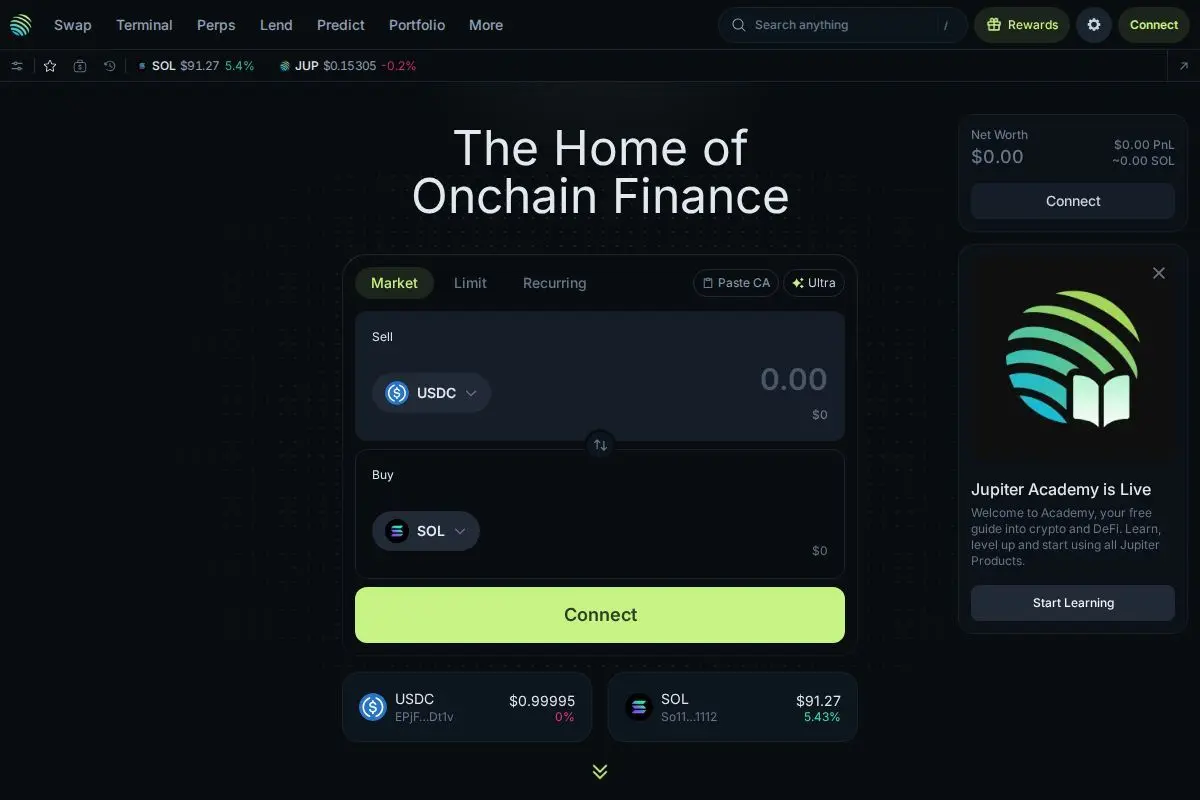
Jupiter (jup.ag) - the Solana DEX aggregator that distributed $700M+ in its JUP airdrop to active swap users
How Airdrop Checkers Actually Work
A legitimate airdrop checker does one thing: it takes your public wallet address and checks it against a list of eligible addresses. That's it. No wallet connection required. No transaction signing. No approvals.
The process behind the scenes:
2. They calculate allocations based on usage metrics (volume, frequency, duration)
3. A Merkle tree is generated with all eligible addresses and amounts
4. The checker queries this Merkle tree using your public address
5. If eligible, you get a claim transaction to sign through the official claim page
Any "checker" that deviates from this pattern - requiring wallet connections just to check, asking for deposits, or requesting transaction signatures before showing eligibility - is either poorly designed or a scam.
Step-by-Step: Verify Eligibility Safely
Step 1: Confirm the Project Is Legitimate
Before you even enter your wallet address anywhere, verify the airdrop exists:
• Look for announcements on their official Discord server (not invite links from strangers)
• Cross-reference with crypto news sites - CoinDesk, The Block, Blockworks
• Check airdrops.io/solana for tracked airdrops
• If you can't find an official announcement, it doesn't exist
Step 2: Use the Official Claim Page Only
Every legitimate airdrop publishes its claim page through official channels. The URL should match the project's main domain. Examples:
✔ jito.network/airdrop - Official Jito claim
✘ jupiter-airdrop-claim.com - SCAM (not official domain)
✘ solana-airdrop-checker.xyz - SCAM (Solana doesn't do airdrops)
✘ Any link from a DM, reply thread, or Telegram group
Step 3: Enter Your Public Address (Not Your Wallet)
Your public Solana address (the long string starting with a letter/number) is safe to share. It's like an email address - anyone can see it on the blockchain anyway. What you should NEVER share:
• Transaction history (it's public anyway)
• Your email (for notification signups)
• Private key
• Wallet file / keystore
• Password to your wallet app
Step 4: Use a Two-Wallet Strategy
This is the single most important security practice for anyone interacting with airdrops. Set up two wallets:
Hot/Burner Wallet (Phantom, Solflare): Used for airdrop claims, DeFi interactions, and exploring new protocols. Contains only what you can afford to lose. If it gets drained, your main funds are safe.
After claiming an airdrop to your hot wallet, transfer the tokens to your main wallet immediately. Then revoke any approvals you granted during the claim process.
Phantom - the most popular Solana wallet. Use it as your hot wallet for airdrop claims
Step 5: Understand What You're Signing
On Solana, transactions can do more than you expect. A claim transaction should only:
✔ Create an associated token account (if needed)
✔ Transfer tokens TO your wallet
✘ Request SOL transfers FROM your wallet
✘ Set authority/delegate on existing token accounts
✘ Call unknown programs not related to the project
✘ Contain more than 2-3 instructions
If you see a suspicious transaction, use Solana Explorer to decode the instructions before signing.
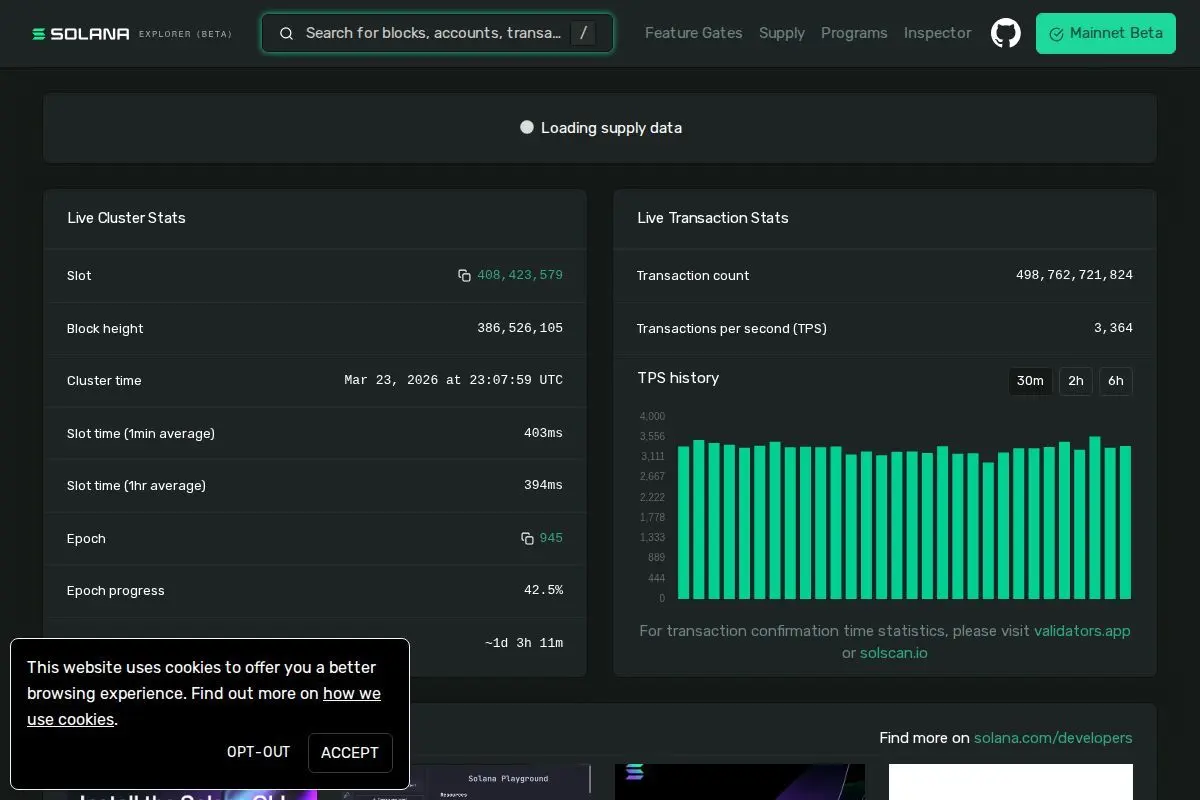
Solana Explorer - use it to verify transaction instructions before signing any airdrop claim
Red Flags: How to Spot Airdrop Scams Instantly
Instant Red Flags - Close the Tab Immediately
1. "Deposit SOL to claim your airdrop" - Legitimate airdrops are free. You may need tiny SOL for gas (~0.005 SOL), but never a deposit.
2. Asks for seed phrase or private key - No legitimate service will ever request this. Ever.
3. Link came from a DM, reply thread, or Telegram group - Official claims are posted on official channels only.
4. Countdown timer creating urgency - "Claim within 24 hours or lose your tokens!" Scammers use urgency to prevent you from verifying.
5. Domain doesn't match the project - jupiter-claim.xyz instead of jup.ag. Always check the domain.
6. No official announcement exists - If you can't find the airdrop on the project's official Twitter, it's not real.
7. Random tokens appearing in your wallet - These are often "dust attacks." Interacting with them can drain your wallet.
8. "Verify your wallet" or "Sync your wallet" - These phrases are always scams.
Trusted Airdrop Tracking Tools
2. Asks for seed phrase or private key - No legitimate service will ever request this. Ever.
3. Link came from a DM, reply thread, or Telegram group - Official claims are posted on official channels only.
4. Countdown timer creating urgency - "Claim within 24 hours or lose your tokens!" Scammers use urgency to prevent you from verifying.
5. Domain doesn't match the project - jupiter-claim.xyz instead of jup.ag. Always check the domain.
6. No official announcement exists - If you can't find the airdrop on the project's official Twitter, it's not real.
7. Random tokens appearing in your wallet - These are often "dust attacks." Interacting with them can drain your wallet.
8. "Verify your wallet" or "Sync your wallet" - These phrases are always scams.
These platforms track upcoming and active airdrops. They aggregate information but always verify claims through official project channels:
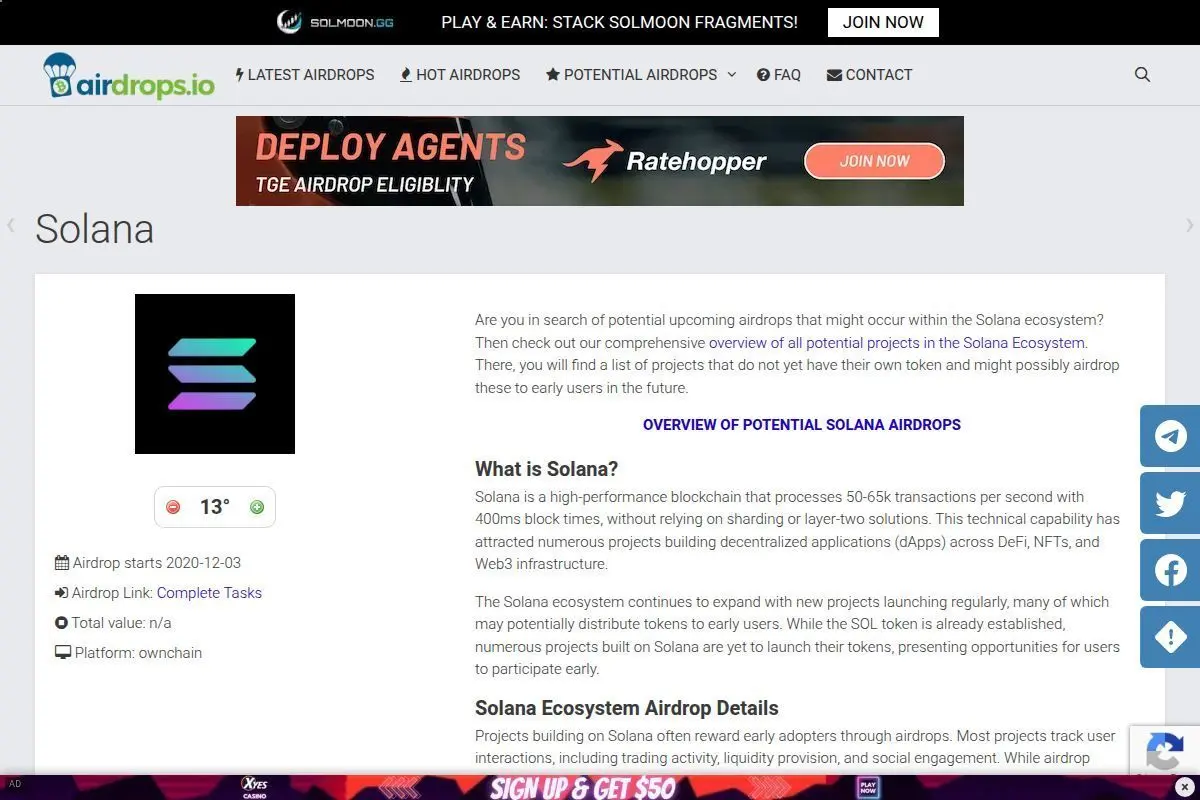
Airdrops.io - one of the most trusted airdrop tracking platforms with a dedicated Solana section
Important: These tools help you discover airdrops, but always verify through official project channels before interacting with any claim page.
How to Maximize Your Airdrop Eligibility
Most Solana airdrops reward active on-chain participation. Here's how to position yourself for future drops:
Provide liquidity to pools on major DEXs. LP positions show deeper commitment than casual swaps.
Stake SOL with various validators and liquid staking protocols (Marinade, Jito, BlazeStake).
Use multiple protocols - lending (MarginFi, Kamino), perps (Drift, Zeta), NFTs (Tensor, Magic Eden).
Maintain activity over time. Monthly active wallets score higher than one-time users. Consistency matters more than volume.
Bridge assets to Solana from other chains. Cross-chain activity often qualifies for bonus allocations.
After Claiming: Post-Airdrop Security
The claim is just the beginning. After receiving airdrop tokens:
2. Revoke any approvals you granted - use revoke.cash
3. Decide: hold, sell, or provide liquidity. Research tokenomics before selling
4. Check for vesting schedules - many airdrops distribute in phases
5. Track the tax implications - airdrop tokens are taxable income in most jurisdictions at their fair market value when received
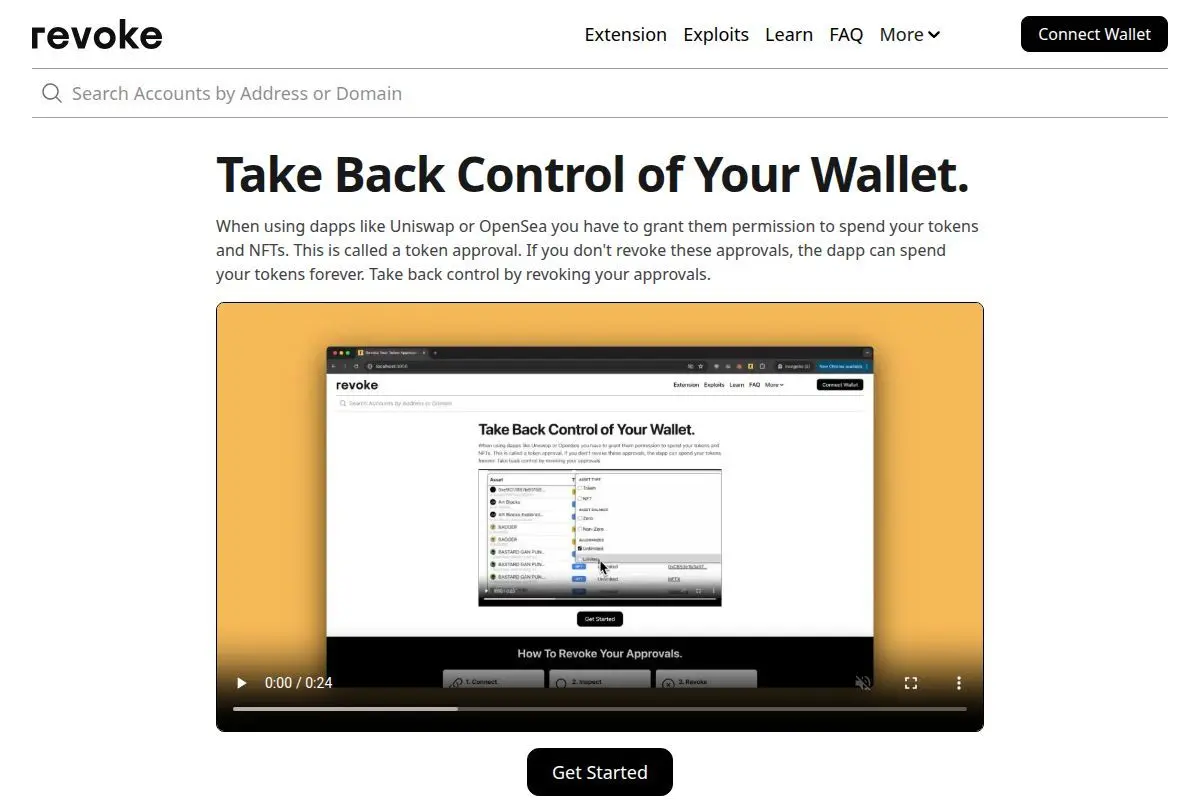
Revoke.cash - essential tool for revoking token approvals after claiming airdrops
Frequently Asked Questions
Is there an official Solana token airdrop?
No. The Solana Foundation does not run airdrops. All Solana airdrops come from ecosystem projects like Jupiter, Tensor, Marinade, or Jito that reward early users of their protocols.
How do retroactive Solana airdrops work?
Retroactive airdrops reward wallets that interacted with a protocol before a snapshot date. The project calculates allocations based on usage metrics and opens a claim window. You must have used the protocol before the snapshot to qualify.
Can I check eligibility without connecting my wallet?
Yes. Most legitimate checkers only need your public wallet address, which is safe to share. Never connect your wallet or sign transactions just to check eligibility.
How much are Solana airdrops worth?
Values vary enormously. Jupiter distributed up to $10,000+ per wallet. Jito averaged $3,000-5,000. Smaller protocols range from $50-500. Past performance doesn't guarantee future values.
What wallets work best for Solana airdrops?
Phantom and Solflare are the most widely supported. Backpack is gaining popularity. For maximum safety, use a dedicated hot wallet for claims and keep main holdings in a separate cold wallet like Ledger.
What about random tokens that appear in my wallet?
These are "dust attacks." Scammers send small amounts of tokens to your wallet, hoping you'll interact with them (visit a claim site, try to sell). Ignore unknown tokens. Don't visit any URLs in their descriptions. Close the token account if your wallet allows it.
Last updated: March 23, 2026. Always verify airdrop information through official project channels before interacting with any claim page.
Related Articles
Master Solana DeFi with our complete Raydium guide
Today's crypto market rally explained
Related Guides
- Fake Airdrop Scams: How to Identify Them and Protect Your Crypto
- What Is a Pump and Dump Scheme in Crypto: How to Spot and Avoid Scams (2026)
- 7 Best Telegram Trading Bots 2026: Safe Picks, Scams to Avoid
- Rug Pull Checklist: 10 Pair Explorer Checks to Avoid Scams
- Crypto Address Poisoning Scams: Complete Avoidance Guide (2026)